Odd Culture Group On The Imperial, New Beginnings, And All The Rest

In a city where queer venues have closed their doors faster than new ones can open them, the announcement landed with weight: Odd Culture, the hospitality group quietly reshaping how Sydney drinks, eats and gathers, is taking on The Imperial.
Not just any venue, but one of the city's last true cultural landmarks, a pub whose stage has carried decades of queer performance, resistance and celebration.
The move raises questions bigger than any single redevelopment. What does it mean to inherit a legacy this loaded? Who gets to decide what survives, what changes, and what gets left behind? And in a moment when Sydney's queer nightlife feels increasingly precarious, can ambition and community-mindedness actually coexist?
We spoke to James Thorpe and Rebecca Lines behind the transformation about custodianship, memory, and what it takes to modernise an icon without losing the soul that made it one in the first place.
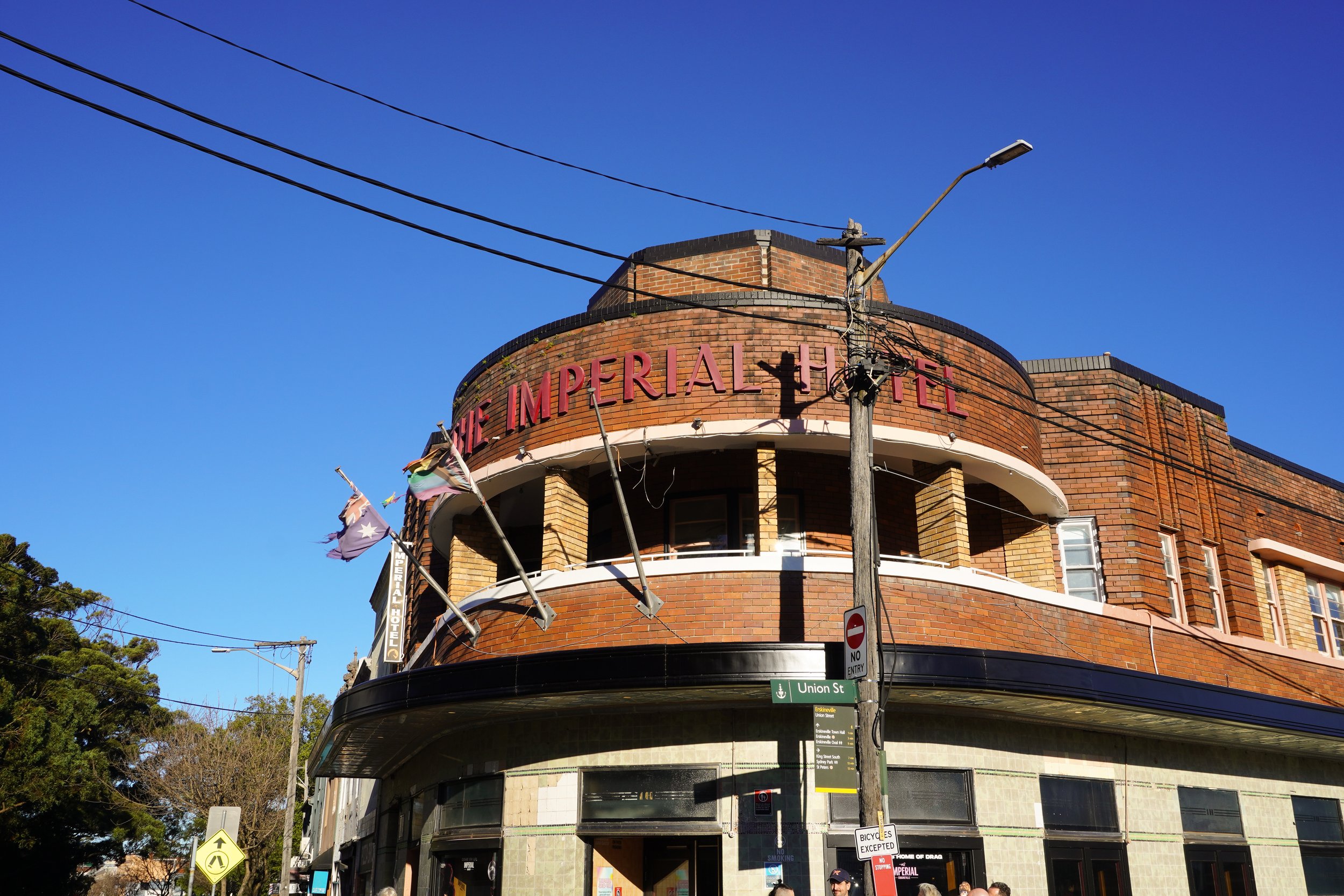
Odd Culture has grown into one of Sydney's most influential hospitality groups. Looking back, how did it all begin, and did you ever imagine you'd end up taking on a venue as iconic as The Imperial?
Odd Culture looks much more intentional in retrospect than it felt at the time. Every business story eventually acquires a mythology. Ours mostly involved saying yes to opportunities that seemed culturally interesting and then trying to work out how to make them commercially viable.
I certainly never imagined we’d end up at The Imperial. If anything, I would’ve assumed somebody else was better qualified, or had deeper pockets. But the longer I’ve worked in hospitality, the more convinced I’ve become that venues do a lot more than sell food and drinks. They’re where culture happens. Friendships form there. Scenes develop there. Entire communities find each other there.
The uncomfortable reality is that we tend to treat those places as though they’ll always be there, right up until they aren’t. Queer venues, in particular, have always had an uncanny ability to create community with remarkably little security. That’s part of what makes places like The Imperial so precious. Once institutions with decades of history disappear, you don’t simply build another one. You can replace the building. You can’t replace the memories, traditions and relationships that made it matter in the first place.
We’ve also been around long enough to know we don’t always get everything right. Some of our earlier projects taught us that enthusiasm isn’t a substitute for experience, and that not every venue needs a grand vision imposed on it. Sometimes the smartest thing you can do is understand what people already love before you start changing anything. That’s what excites me about The Imperial. It doesn’t need a new identity. It needs someone prepared to invest in making sure one of Australia’s great queer institutions is still here, still thriving and still creating memories in another fifty years.
– James Thorpe
How long has this partnership been in the works? Was there a moment where you realised this was actually going to happen?
We’ve been in discussion for the last couple of months, trying to work through something that would work for both parties. The outcome being that we would partner to ensure financially and operationally we can have the greatest outcome for the Imperial and the community.
– Rebecca Lines
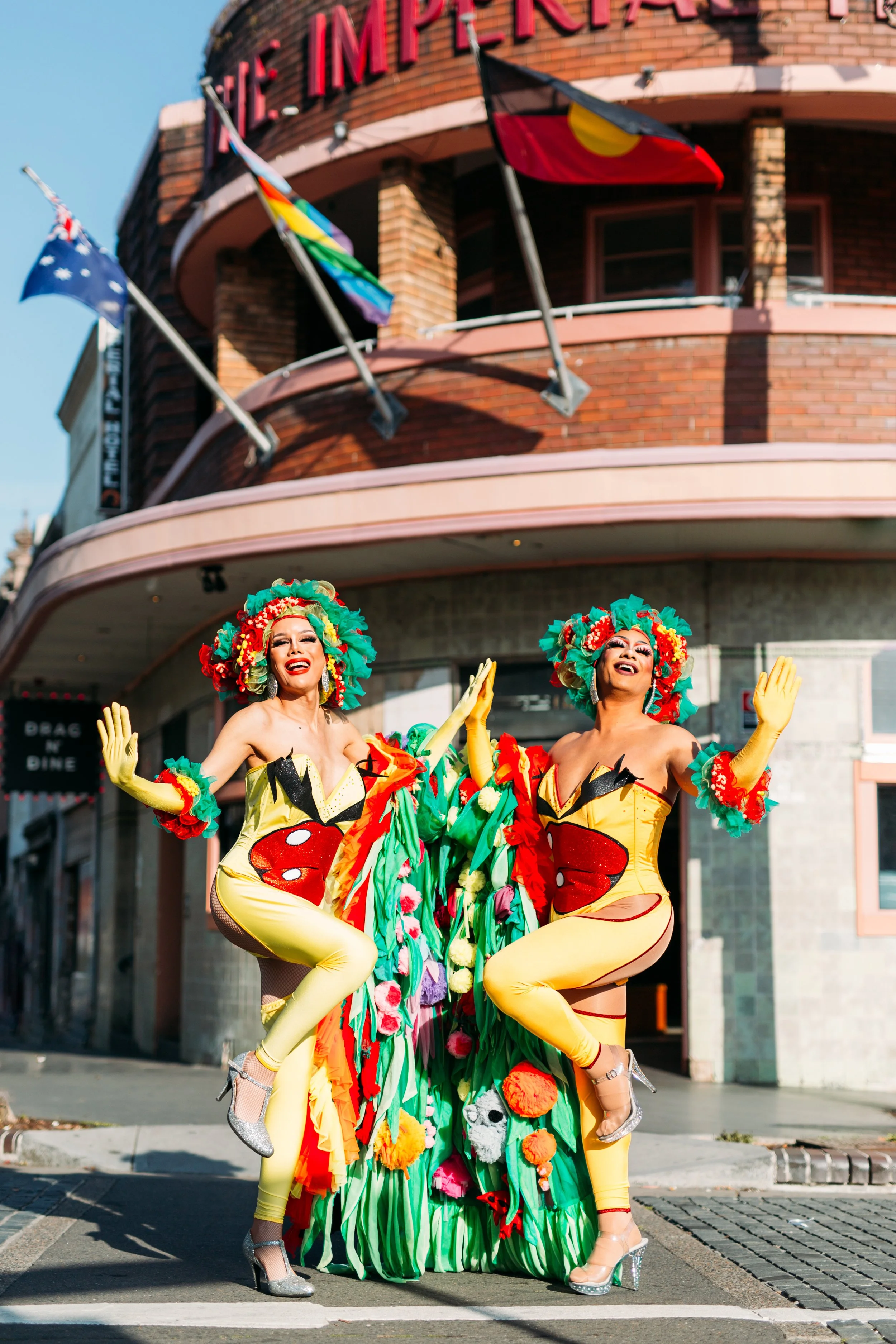
The Imperial isn't just another pub, it's a cultural institution with decades of queer history. What responsibility comes with becoming the custodian of a venue like this?
We have an immense amount of respect for the legacy of The Imperial. We're approaching this with humility. Our job isn't to fix what isn't broken, it's to protect what people already love while ensuring The Imperial can continue to thrive for years to come.
– Rebecca Lines
Sydney's queer nightlife is at an interesting crossroads, with venues closing, changing hands and conversations around safe spaces becoming increasingly important. How do you see The Imperial fitting into that landscape over the next decade?
Safe spaces for queer folk need to be not only protected, but celebrated. We really can’t say this enough; we don’t intend to change The Imperial, we intend to shepherd it into the next phase of its long legacy. The Imperial will never stop being a queer venue while it’s under our stewardship.
– Rebecca Lines
Recent conversations around Sydney's queer venues have highlighted how fragile these spaces can be. Why do you think it's still so important to invest in dedicated places where queer communities can gather, celebrate and feel safe? I would love to inquire about your thoughts on the divine playhouse controversy if you’re happy to discuss your thoughts. I realise it can be touchy, but I think it’s also really important.
The discussions surrounding Divine Playhouse have highlighted how fragile dedicated queer spaces can be, and why they continue to matter. While society has undoubtedly made progress, we've also seen a global shift in recent years where queer visibility and expression are increasingly being challenged. That makes places where LGBTQIA+ communities can gather, create, celebrate and simply exist all the more important.
Queer venues have always been more than bars or clubs. They're cultural institutions, performance spaces, meeting places and, for many people, somewhere they can feel genuinely safe and seen. Historically, those spaces often had to exist on the margins and we don't believe they should have to return there.
For us, investing in The Imperial is about protecting and strengthening that legacy. We want to ensure there will always be a place where queer people, performers and allies can come together, express themselves freely, and continue shaping Sydney's cultural life for generations to come.
– Rebecca Lines
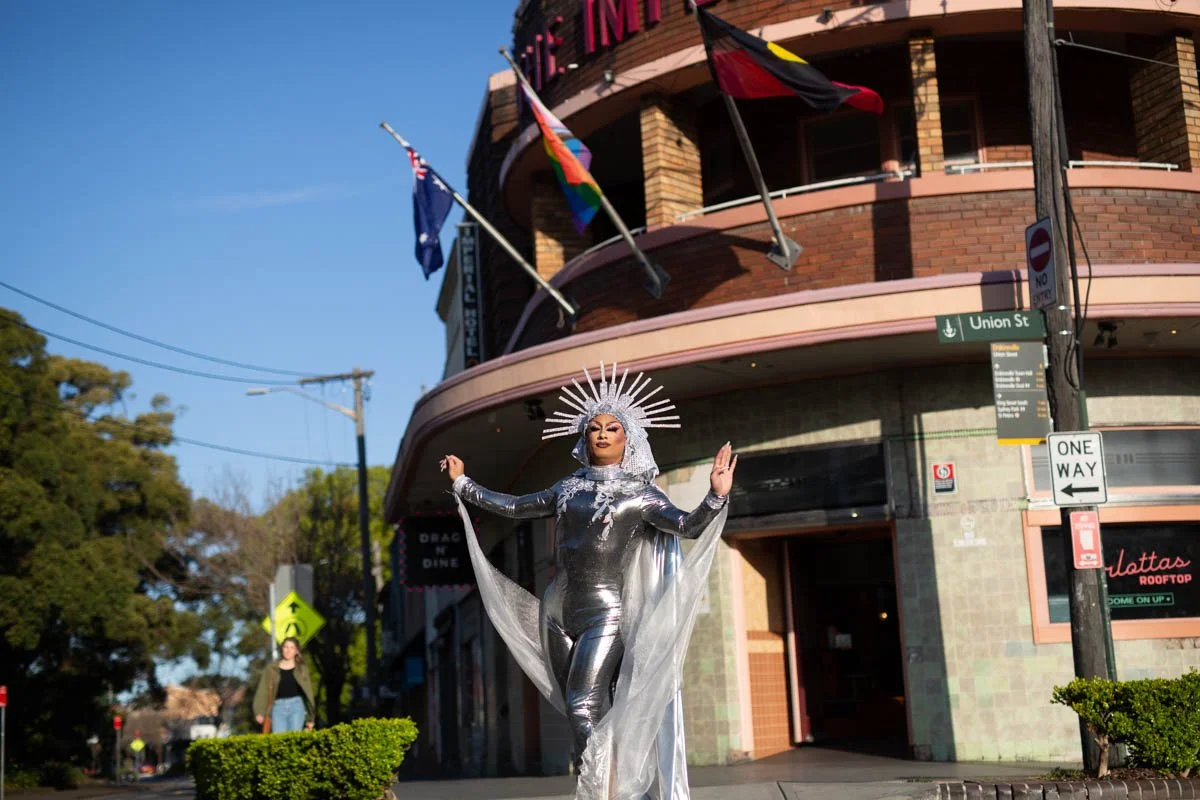
What's the vision for the next chapter of The Imperial? What do you hope people feel when they walk through the doors after the redevelopment?
It’s a little too soon to be sharing a strategic vision, we’ll be working on that over the first 6 months of operation. However the space should be genuinely welcoming. Somewhere everyone is invited, as long as they bring respect for the people around them. Hospitality has always had the power to bring people together, regardless of who they are or where they come from. It should feel inclusive, warm and full of life. Somewhere people feel at ease before they've even ordered a drink.
– Rebecca Lines
The Imperial means something different to almost everyone who's been there. Do you have a personal memory or connection to the venue, and has that shaped the way you're approaching this project?
I suspect my answer is the same as a lot of queer people in Sydney: I couldn’t tell you my first night at The Imperial, but I could tell you about twenty nights that blur together. That’s probably the point. The places that matter rarely announce themselves while you’re in them. They quietly become the backdrop to your twenties, or your friendships, or your first date, and only years later do you realise how much of your life happened in the same room.
I think hospitality sometimes overestimates its own importance. Operators like to think they’re creating culture. More often than not, they’re just providing the room. It’s the people who create the culture, and over time that’s what turns a venue into an institution. That’s how we’re approaching The Imperial. It’s already one of the country’s great queer institutions. Our job isn’t to reinvent it. It’s to make sure it stays healthy enough that people can keep making memories there long after we’re gone.
– James Thorpe
How do you modernise a venue without losing the magic that made people fall in love with it in the first place? Where do you draw that line?
It's a fine line, and one we're approaching with a great deal of respect. We have no intention of rushing in and changing things for the sake of putting our stamp on the venue. Before making any decisions, we want to spend time understanding The Imperial as it exists today and learning from the team at Universal, who have been its custodians for many years.
– Rebecca Lines
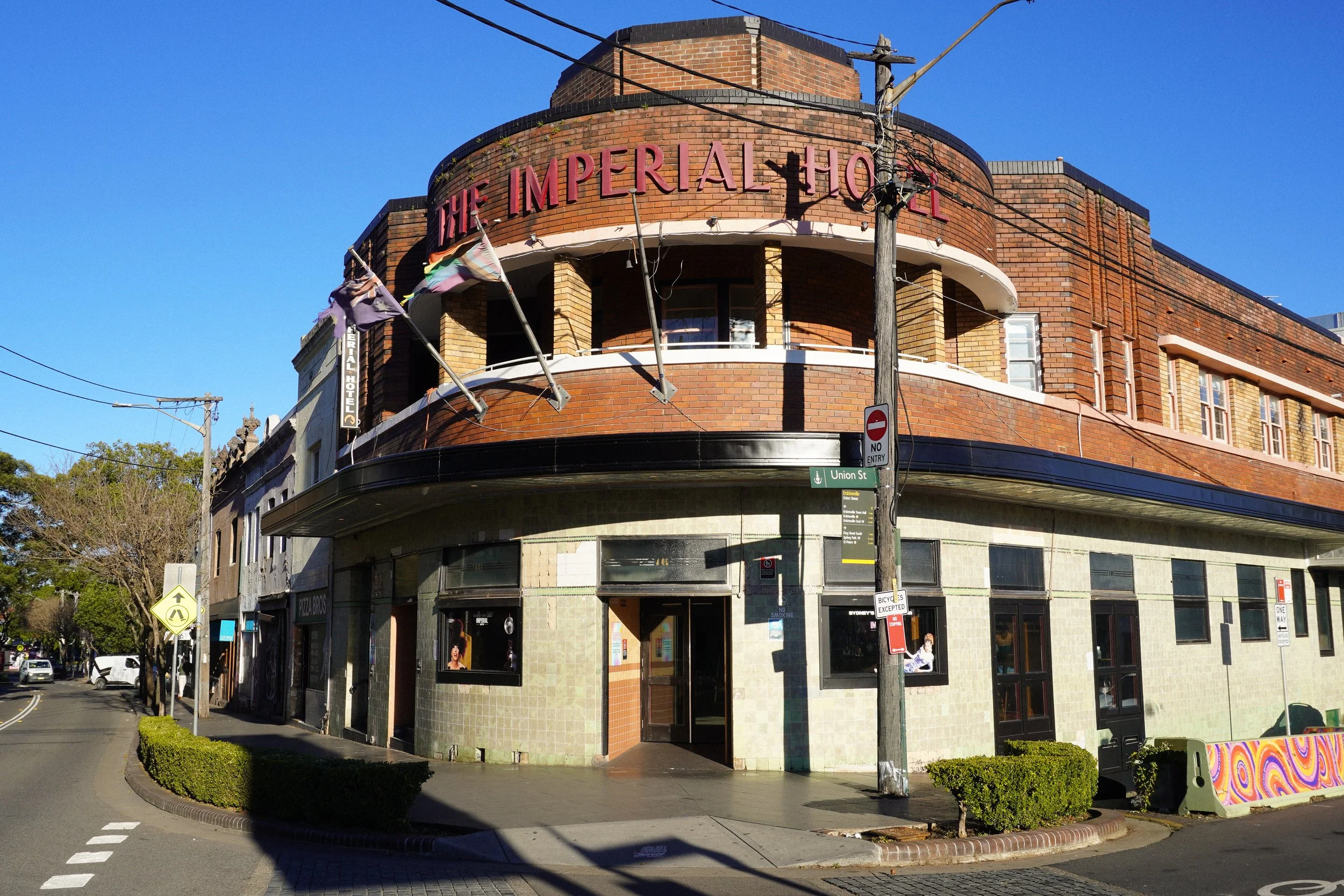
The redevelopment is significant, but legacy can't really be built with bricks alone. Beyond the physical changes, how are you planning to honour the people, performers and communities that made The Imperial what it is?
We believe The Imperial's legacy lives in the people who have shaped it over decades, not just in the building itself. Our role isn't to reinvent that legacy, but to protect it and create more room for it to flourish. The spirit of The Imperial is what makes it special, and that's something we have no intention of changing.
The redevelopment isn't about modernising the venue for the sake of it. It's about ensuring there's more space for the performers, communities and audiences who have always called The Imperial home, while creating opportunities for new generations to become part of that story. If we've done our job well, people will still recognise the venue they love, just with even more capacity for the culture and community that have always defined it.
– Rebecca Lines
Running independent hospitality in Sydney has never been easy. What gives you confidence that ambitious, community-led venues like this can still thrive?
One thing we’ve learned by operating neighbourhood venues is that people genuinely care about their local. They build relationships with the staff, get to know other regulars, and the venue becomes woven into the rhythm of their lives. That sense of connection is what gives us confidence. People understand that independent hospitality isn't just somewhere to eat or drink, it's part of the cultural fabric of a neighbourhood. They know what's lost when those places disappear, and they're willing to support the venues that make their communities feel more vibrant, welcoming and alive.
– Rebecca Lines
If someone walks into The Imperial for the very first time in 2027, what do you hope they'll understand about the venue before they even order a drink?
Same as the question above