A Band You Should Know: Jawdropped
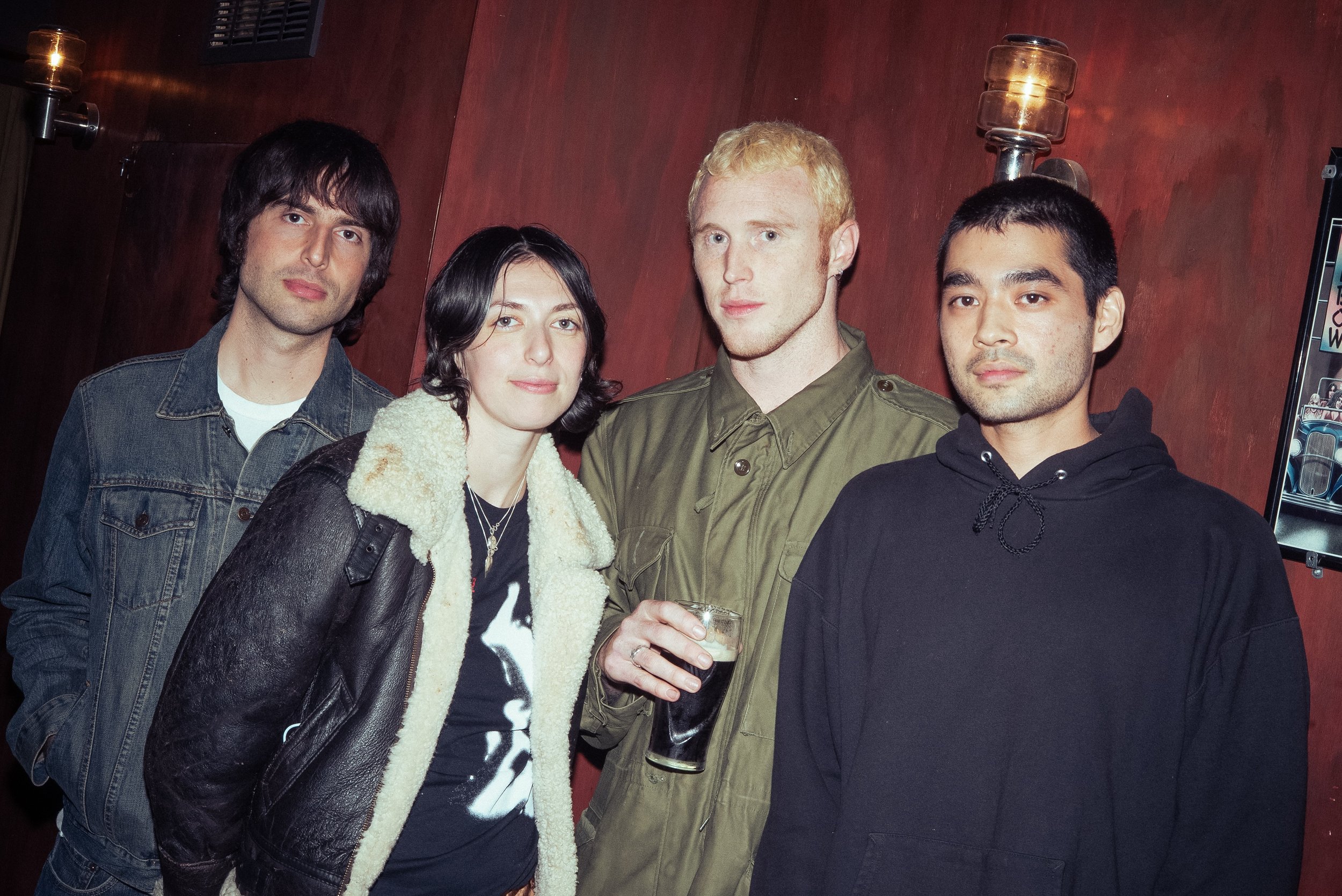
Photography by Emily Krisky.
In this interview with Jawdropped, a band from Los Angeles, we talk a little bit of shit.
Innocent, well-intended shit, but shit nonetheless, about the LA music scene and how we receive a lot of EP’s and samples and demo tapes that often sound a bit like a shitty version of something good and famous and unique, and how that is entirely unbearable, and most of which we suspect is in the pursuit of being cool, and now. A fair pursuit, but not a good one for an artist. To be cool, you must be bold, and to be bold, you have to give a fuck.
Jawdropped give a fuck.
They are an intelligent and outspoken group of musicians who are unabashedly passionate about their music. They stand behind it. There is humor but no irony; there is melody but no tinge of trendy hooks - they aren’t looking to score an internet hit and aren’t wanting to be mysterious. In a time of disingenuous slop, they make authentic rock and roll, whether you like it or not. For these reasons and more, we believe that Jawdropped are a band you should know.
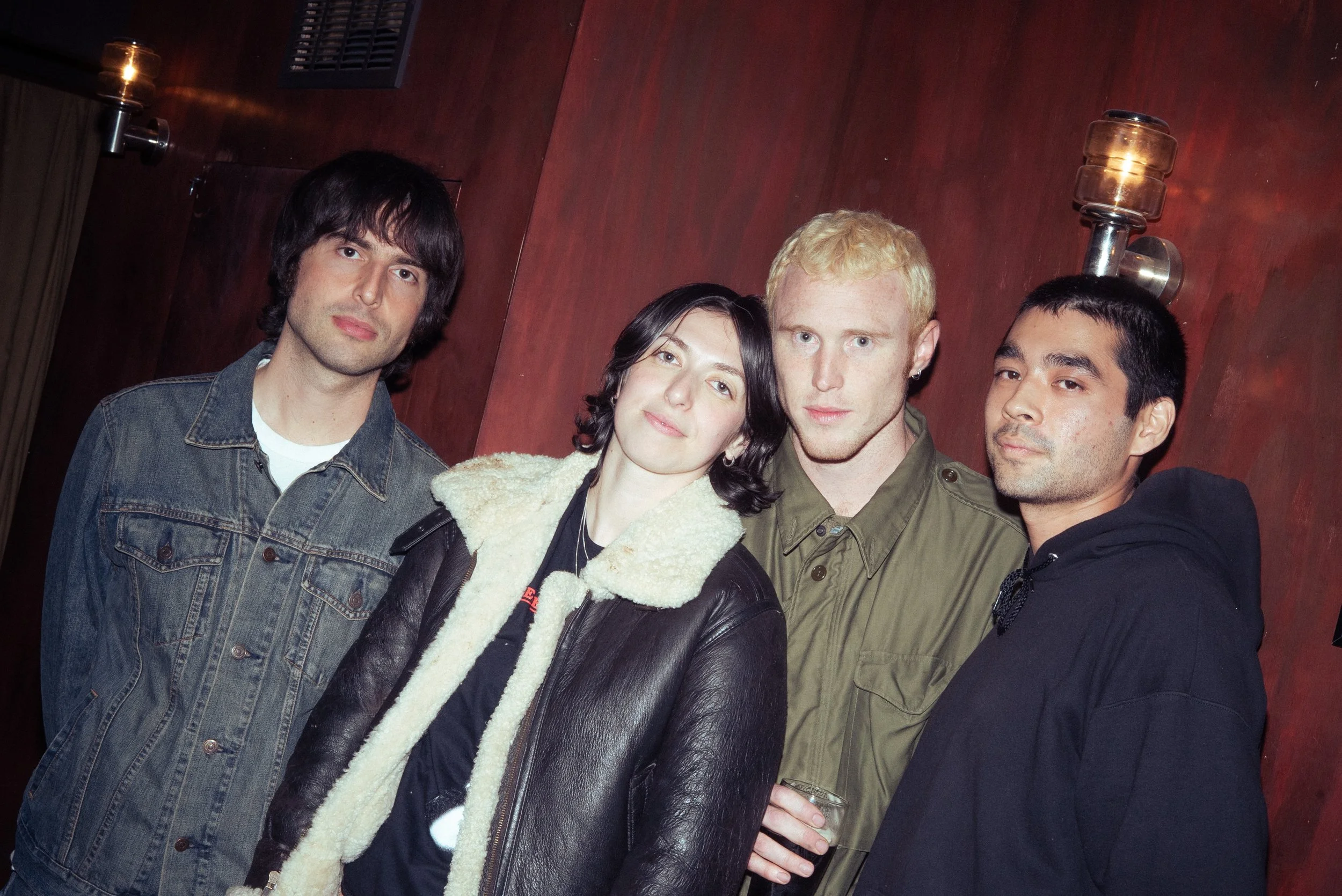
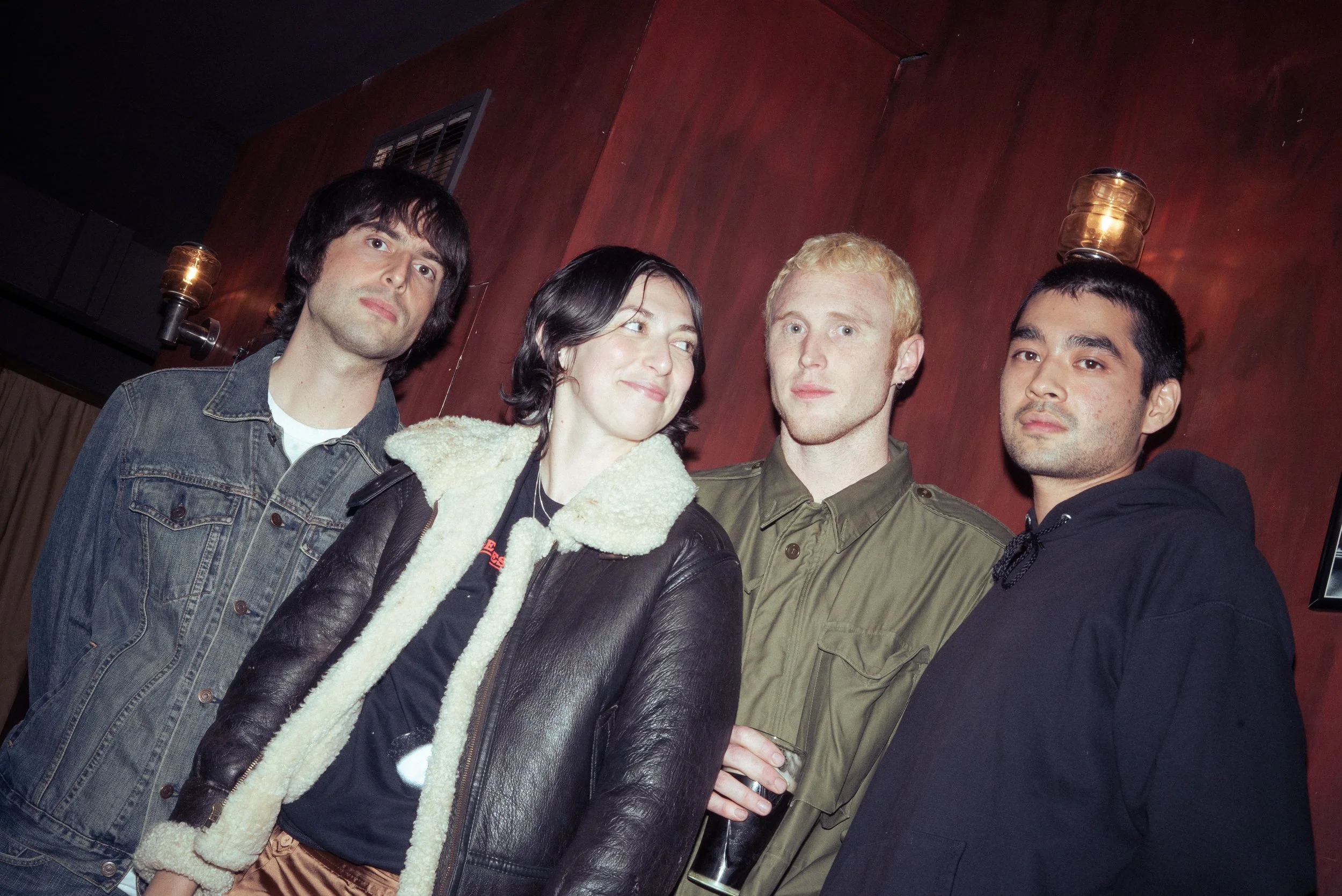
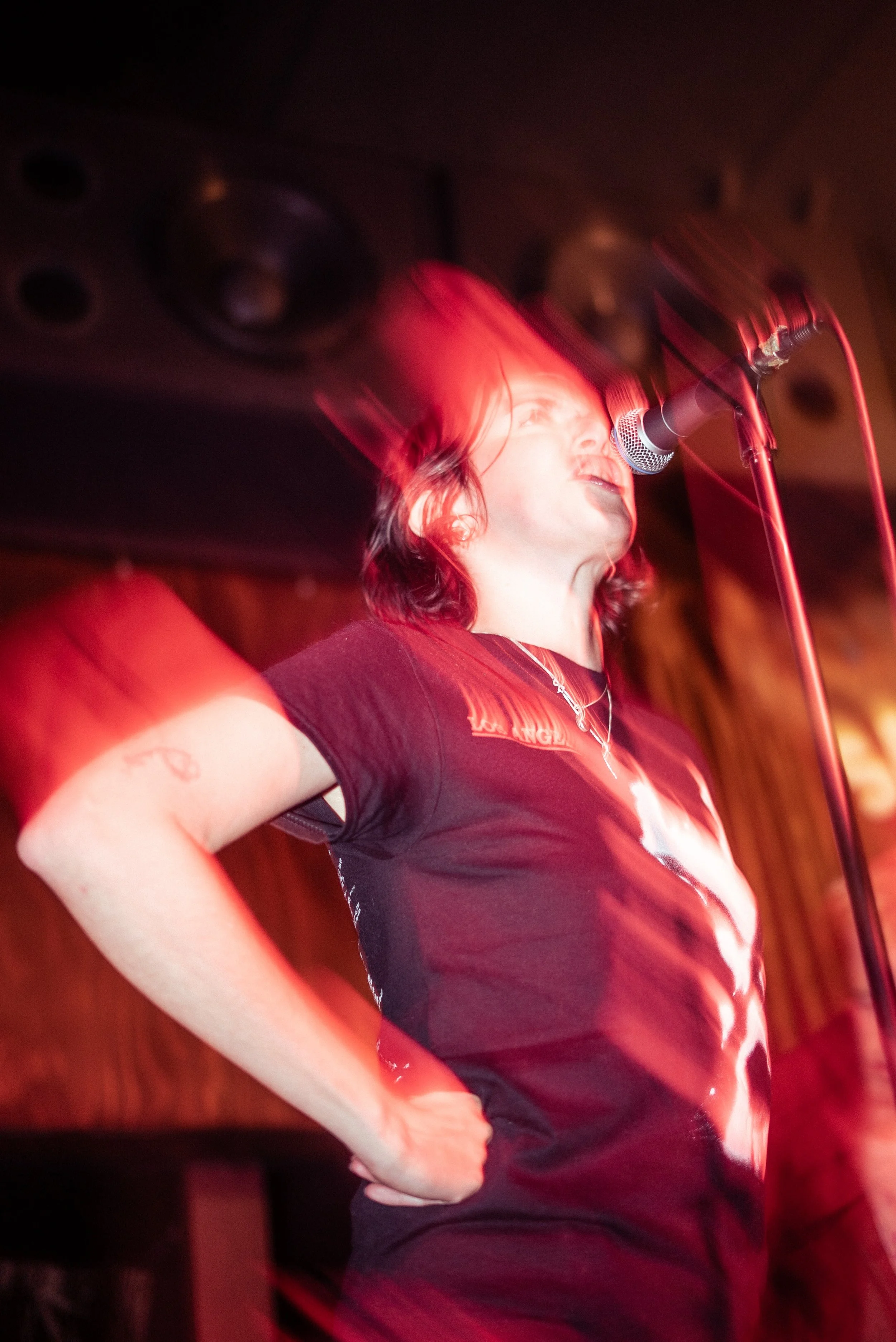
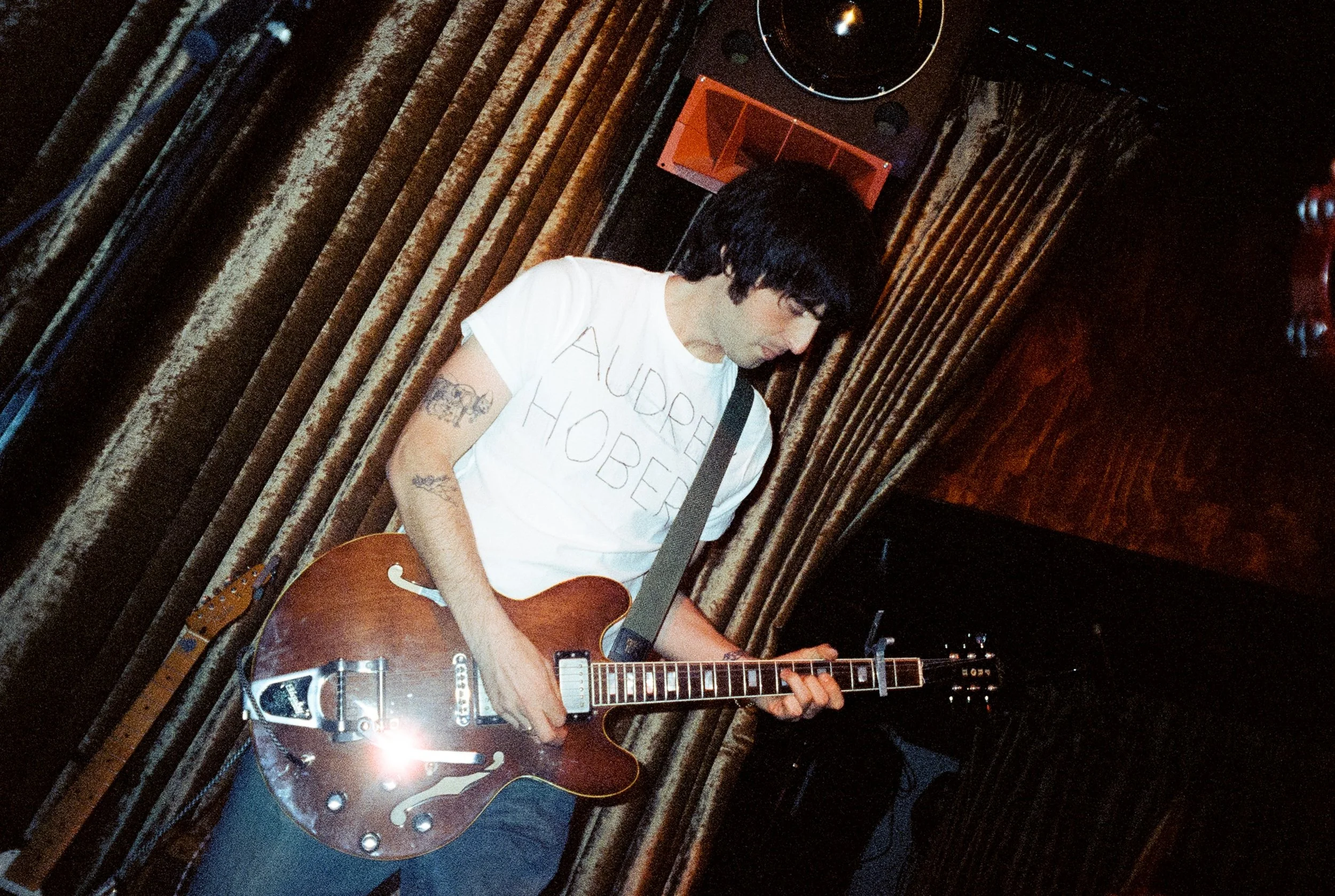
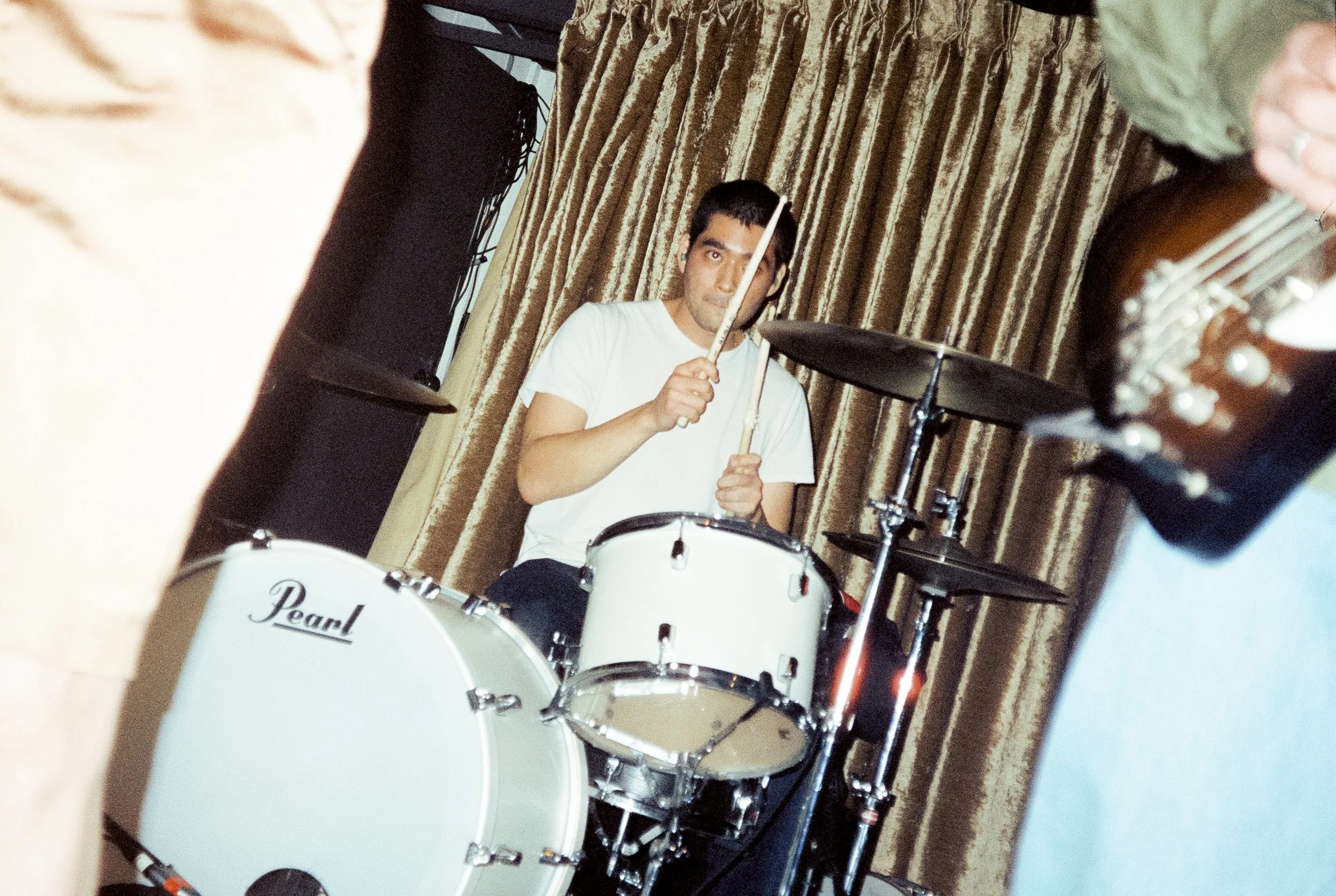
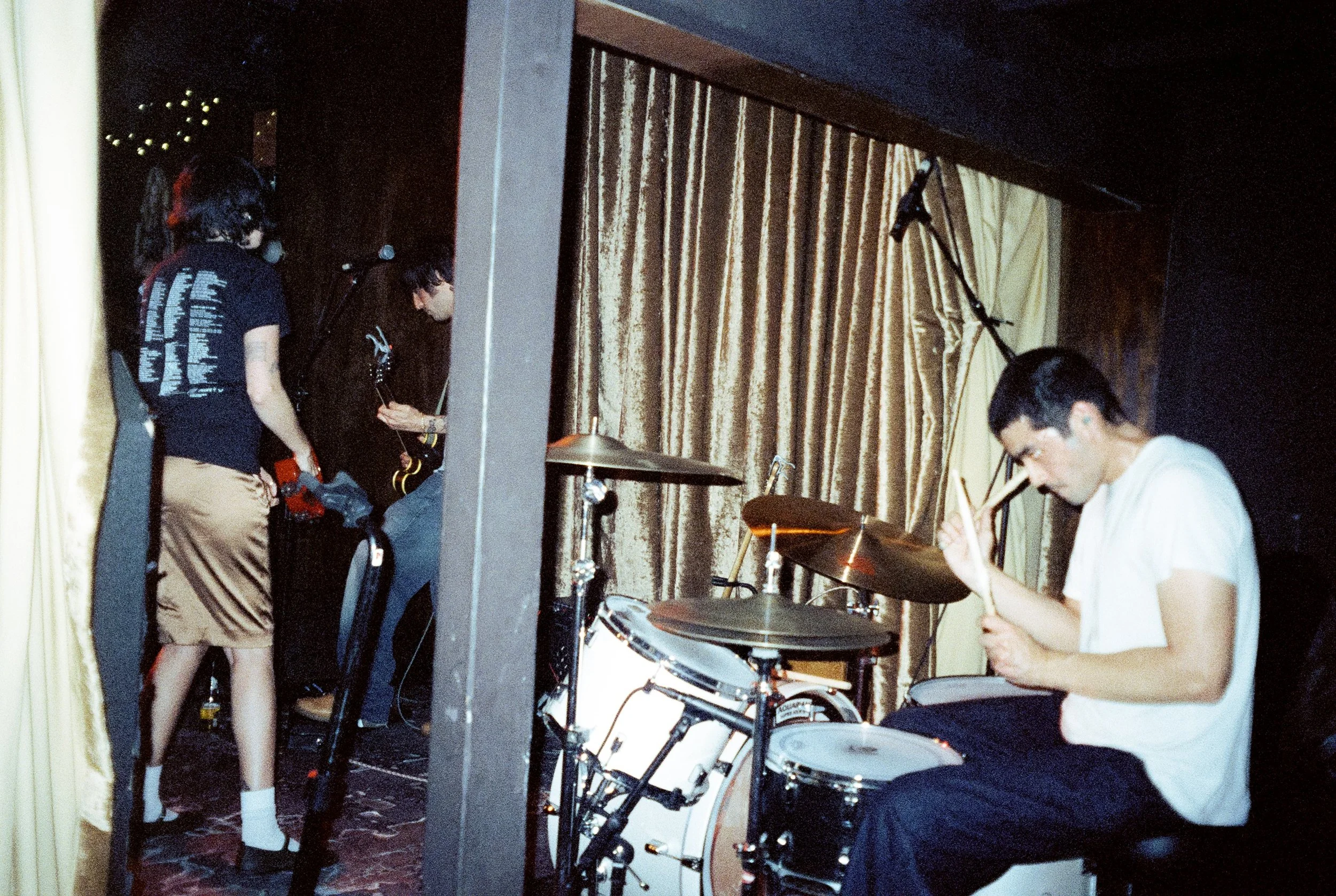
Jawdropped is Cook Lee-Chobanian, Sean Edwards, Kyra Morling & Roman Zangari.
Okay, so good tour?
Roman Zangari: Great tour, yeah. Maybe our best one yet. Really good crowds, sold a lot of merch; all of the tours that we’ve done up to this point have been kind of a generation older than us. No shade, but it’s a different crowd. This one (with Momma) had a lot of kids and all ages shows, so it was a better energy.
Sean Edwards: We played this one show with Real Estate in Solano Beach and as soon as we started, there was feedback and shit and the guitars are loud - it was like a sit down restaurant, and there were hella people sitting in front of the stage eating dinner, and there was this old lady right in front of the stage who shoves her fingers in her ears and didn’t take them out the whole time.
Kyra Morling: I loved it. I was curious what everyone was eating and stuff.
SE: Watching someone eat food from above, it’s an odd vantage point.
RZ: Trying to lock in and play a set while people are cutting into their steak was a pretty humbling experience.
Cook Lee-Chobanian: At every show you kind of go, alright, there are some people here to see us, but there were absolutely zero people there to see us.
SE: Apart from Real Estate themselves, they were insanely sweet.
CC: Yeah, they’re awesome. I’ve been and am a Real Estate fan.
KM: I work at a wine shop in Silverlake, and like a week after that tour someone came in and was like, ‘Hey I saw you play at that Real Estate show!’
How long have you been a band?
RZ: About two years? Things have moved really fast. I think that the band started and it was immediately like, wheels on the ground.
SE: We’ve been in bands for a long time here, and it’s one of those things where you try so many times with different bands until you find the right formula with the right people. Our homies jumped on board, dug the songs-
KM: I think that timing was good, too. We started the band with really pure intentions and just wanted to make music together.
You weren’t trying to make TikTok hits?
KM: Absolutely not. It just felt good and people liked it.
SE: I also think that no one’s doing that around here. Rock shit, like you can sing the songs.
Can you expand on that? I don’t mean to talk shit, but I get sent a lot of music through this job, and a lot of the things I get sent from LA sound like shitty Alex G, or shitty Deftones - sort of shitty face-value copies of other artists who are popular at the moment, and I don’t think that Jawdropped is following down that trend.
SE: That’s nice.
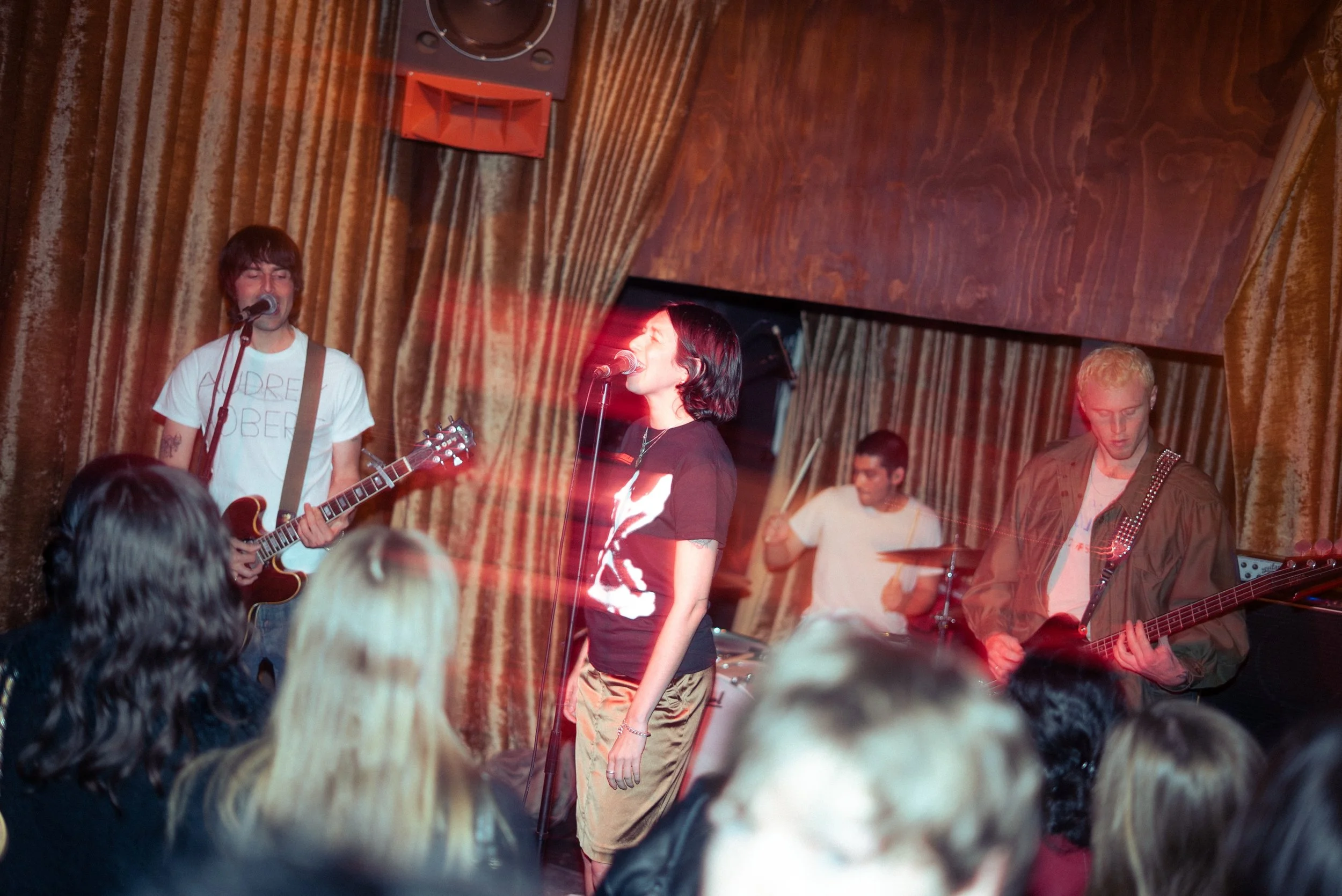
What has been your experience in the scene and as a band in Los Angeles?
RZ: I think on one hand, it’s really inspiring because there is this long history of amazing music. You can go back to the punk stuff like X or even further into Laurel Canyon; there has always been really unique music being made here, but at the same time there are a lot of bands that are sort of following the trends. You kind of owe it to yourself to try and stay out of the bunch a bit.
SE: At a certain level, too, a lot of shitty coming out of here sounds like Shitty Alex G because if you have a band from somewhere out in the country, you’ll probably drain out to NYC or LA, a lot of people end up here, but there’s a different kind of perspective if you are from here and have been doing it here for a long time - you’re shaped differently rather than being shaped by internet stuff and spitting it out in a rehearsal room in LA. And I think what we like is a little bit different. We fuck with Alex G and Deftones, but it isn’t what we are trying to make.
RZ: I like shoegaze, but I think that the way it has been - this new generation of bands doing this apathetic, disinterested thing - that doesn’t appeal to me at all. We wanted to do kind of the opposite of that. We care a lot about what we are doing.
SE: It’s not ironic or a joke, we are making music that we stand behind. There’s no detachment from the product.
It’s not a meme.
CC: There’s no mystery here.
SE: Also what we do isn’t like, ‘oh it’s too abstract and you just don’t get it.’ I like avant garde shit, but it’s not what we do. So if you don’t like it, you got it, you just don’t like it, and that’s fine.
That should be on a t-shirt.
KM: We talk about this a lot: you used to go to a bar and see a live band and you wou;ldn’t know who they were. It’s kind of like a family band, maybe you know the songs or maybe you don’t but you’ll leave knowing the songs and feeling positive. I want people to feel good and have it be accessible. I want that feeling of local band, a band that feels close.
It’s very pure. Very not up its own ass.
CC: We try not to be.
KM: We are up our own asses in other ways.
RZ: I’m just not interested in coming off mysterious or cool. It’s about writing good songs and wanting people to relate to the music that we are putting out. If that means being vulnerable or transparent about our interests and the kind of music that we want to make, then that’s what we do.
What do you qualify as being good for you?
RZ: I think there’s a timeless quality to all of the artists that we like. When we started, there was a very specific kind of group of bands that we all shared interest in, and that was the early blueprint. Just great songwriting in a traditional sense.
SE: The demarcation of what makes ‘good’ to us, is if it works being sung on an acoustic, it has legs. And it’s a feeling. Rock and roll is a folk art tradition, we are using the same shit that people have been using since the 50s, and people seem to think of it as this mined-out space where there’s nothing new to do, but this is our rock song, and it fits in a continuum of everything else that came before it, it’s just our take. It locks into this historical timeline of people taking the same ingredients and making something their own.
RZ: We aren’t reinventing the wheel, it is traditional rock and roll music, but within that there is a timelessness that you can strive for that is more powerful than doing whatever the moment is. Right now, in LA, I think that it’s very atmospheric vibe-based music, which is not our thing.
KM: I feel like we have something to say, and we are being given the opportunity to express ourselves. Sometimes I think you don’t connect to certain projects because they don’t know what they’re saying-
CC: Or they’re not saying anything.
In New York City, for example, space to make music is a major limitation. It is expensive to find the space to make noise and get good at it. Are there similar challenges in making music in Los Angeles?
RZ: Luckily, I would say that it is not as dire as New York. We got lucky, we share a rehearsal space with a couple of other sick LA bands.
KM: LA has space.
RZ: It’s just getting more expensive every year. Everyone has cars, so you can get gear around or get to a gig. I think one of the worst experiences of my life was taking a guitar and an amp on the subway in New York City.
CC: And embarrassing.
RZ: That was a very humbling experience.
SE: LA will always be a good home for making music because it is so sprawling and fucked up that there will always be corners. It is not very tamable. There are always seams of LA that are little failed states - a giant warehouse that someone can get and turn into rehearsal spaces. There are DIY venues that can pop up like weeds, get chopped down, and pop up again. And the fucking Sauron’s Eye of gentrification seems to move around the city so it’ll be in one zone and it’ll get fucked up and move to another zone, and shit where it was before gets worse and cheaper and there are buildings that you can do things in again.
RZ: It’s still viable to be a DIY band in LA, you just have to be crafty and find those hidden gems. You have to go to shows. It’s getting harder because it’s more expensive, I think if you move here now and start a band, you’ll have a much harder time than when we started in music here ten years ago - there are less venues and its more expensive to do anything, but it’s possible.