
Talking Shop with Amsterdam’s Ben G
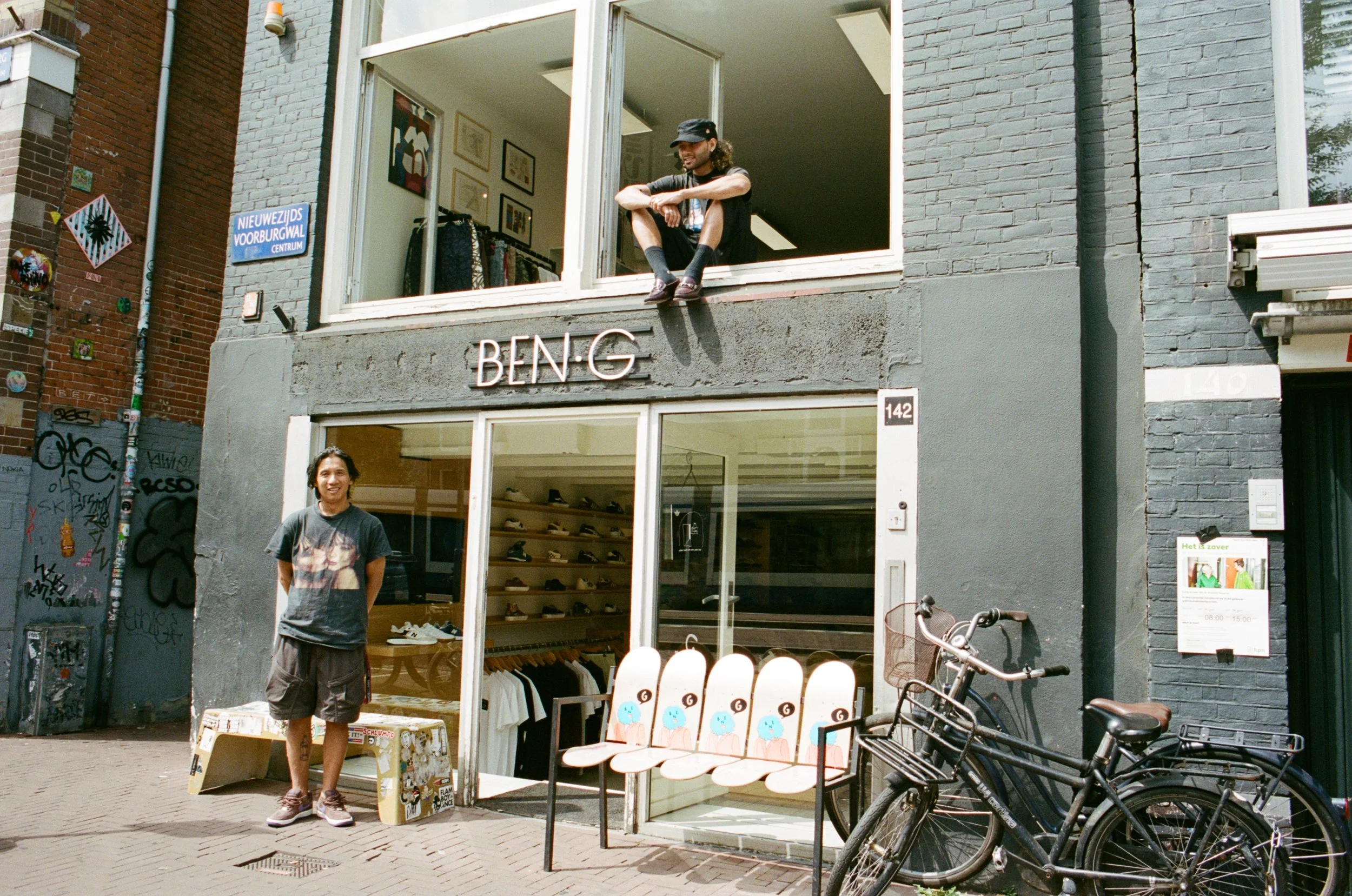
Photography by Josh Sabini.
The local skateshop is the hub.
It’s where you buy your first board, get your first job, meet your friends on a Saturday morning because one of them needs a sheet of grip before you go out skating, and the first place you go when you arrive in a new city, because no matter where in the world you are, the skateshop makes you feel at home. The skateshop is where you’ve been hanging out since you were a bright-eyed and bushy-tailed adolescent, listening intently as the older guys behind the counter told you what’s cool and what’s not. They encourage you to watch AVE’s part in Mindfield and Bastien Salabanzi’s part in Sorry; you like Bastien’s part in Really Sorry more and don’t understand AVE’s part for five years until one day, while watching Mindfield, it clicks, and you say to yourself, ‘I get why they told me to watch this.’ Now you’re working at the skateshop and tell some random kid to watch the part, knowing, like you, he probably won’t get it until he’s seventeen.
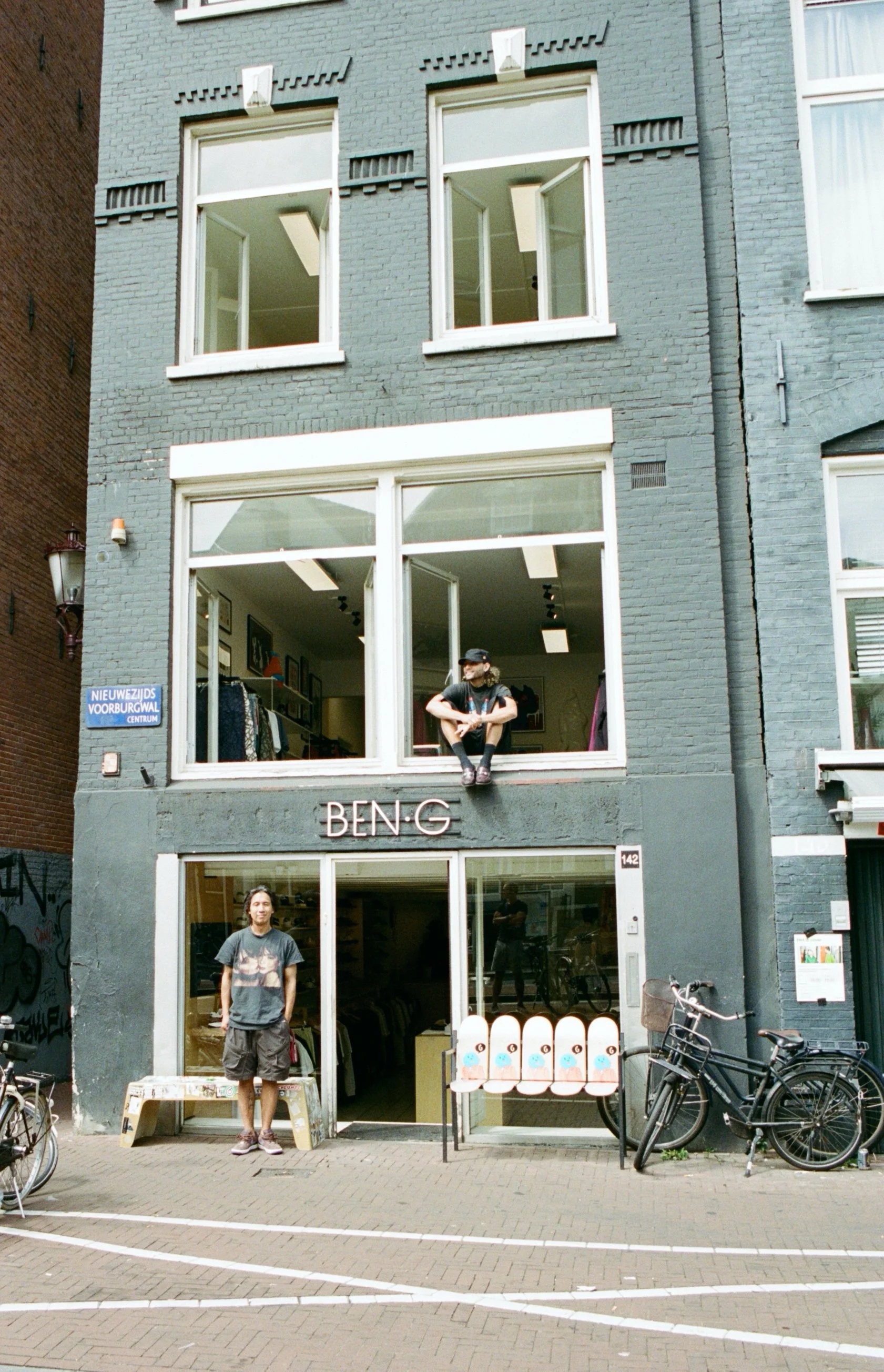
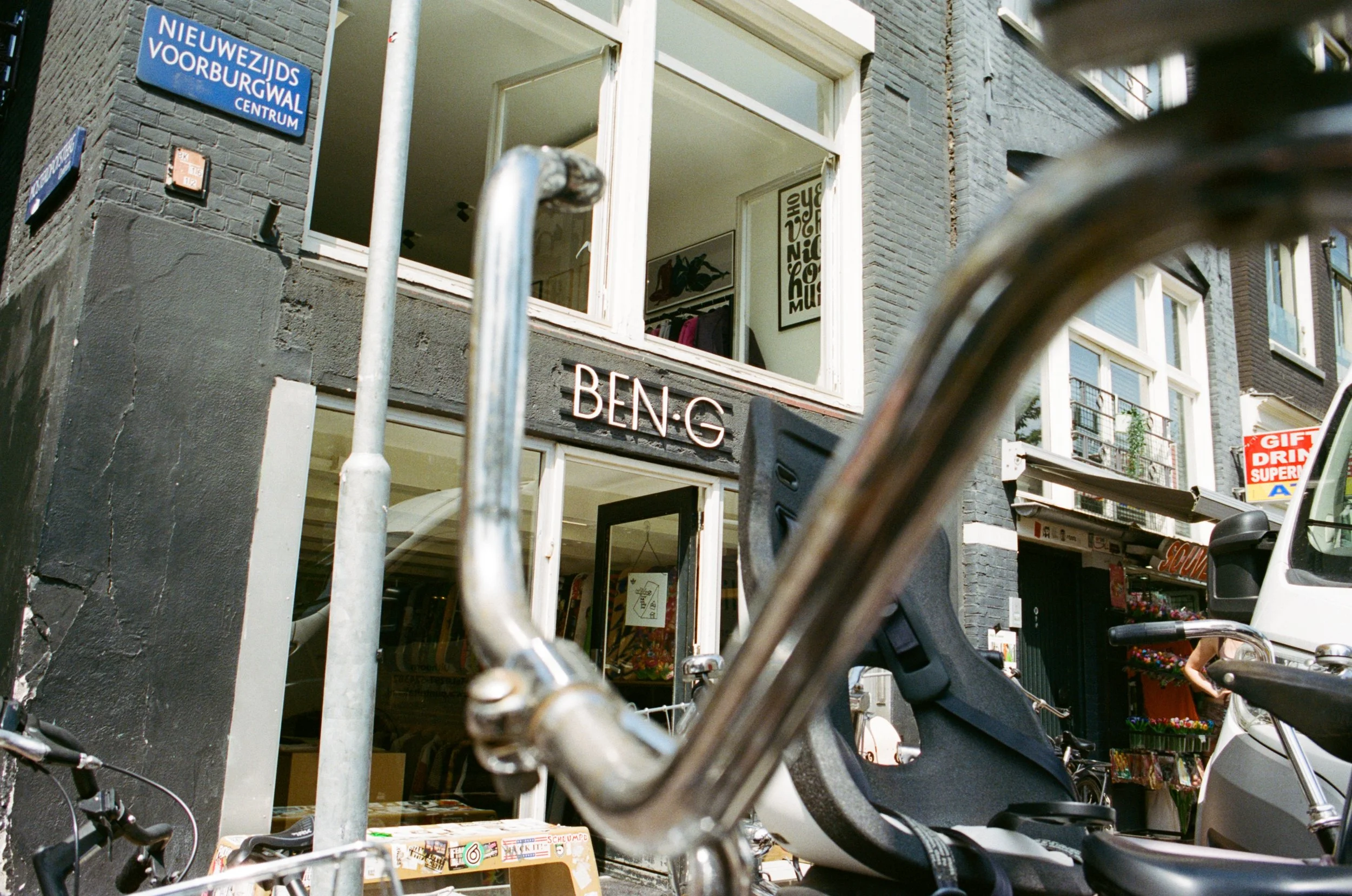
But as skateshops around the world are closing rapidly and those who haven’t are struggling to keep their doors open, the question of ‘how is the skateshop going to play this role in the future?’ lingers heavily. While in Amsterdam over the summer, I stopped by Ben G, the shop with quite possibly the most stacked team in skateboarding, to talk with owner Benny Komala about the role of a skate shop, the B.Y.O.B sessions they host weekly with POP Trading Company, Nike SB collaborations, and how they are coping with one of the toughest times in skateboarding history.
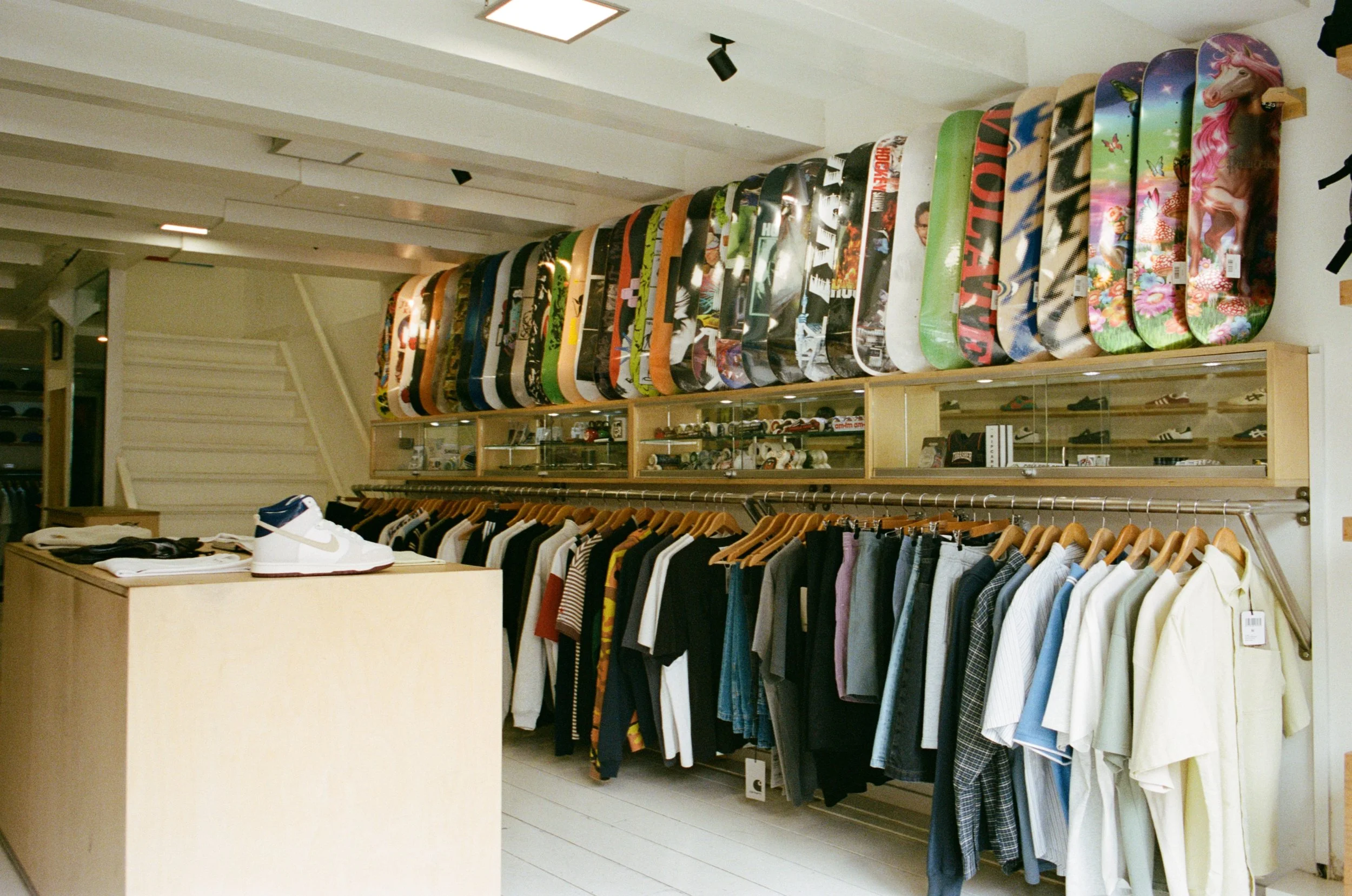
Before we started recording, you said that you didn’t want to start the store; let's start there.
Yeah, I never had the ambition to start a shop. It was more that I had the opportunity and took it. I’ve always worked at skate shops, but I was never like, ‘I really want to start a shop.'
I feel like it’s usually the opposite, where it’s the dude who’s like, ‘I’ve always wanted to open a shop.’
If I hadn’t had the opportunity to do it here, I don’t think I would have looked for a building myself. Patta was already on the first floor, and the ground floor was empty. I worked with Gee from Patta at a bar, and suggested that he should let me open a skateshop downstairs. They were down, so I found some money and started the store. In 2005, shops were focused on brands like Blind and World Industries, all that sort of stuff. There were so many other brands I was hyped on that people weren’t selling; I wanted to get a shop going for people who were a little more into the culture.
It was a boutique store early on, right?
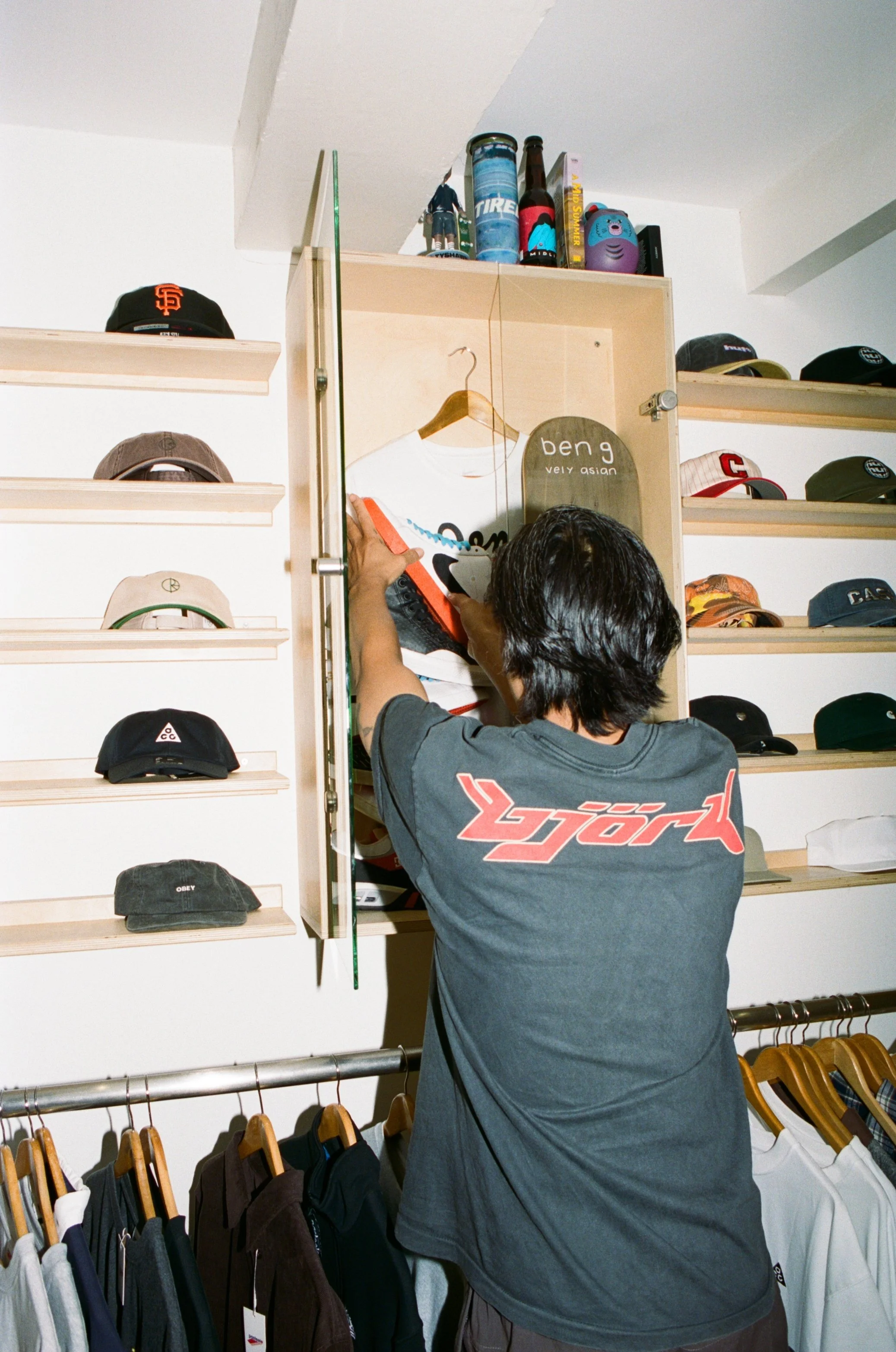
Yeah, exactly. We were really selective of what we stocked, and we imported a lot from the US and Japan that wasn’t available elsewhere.
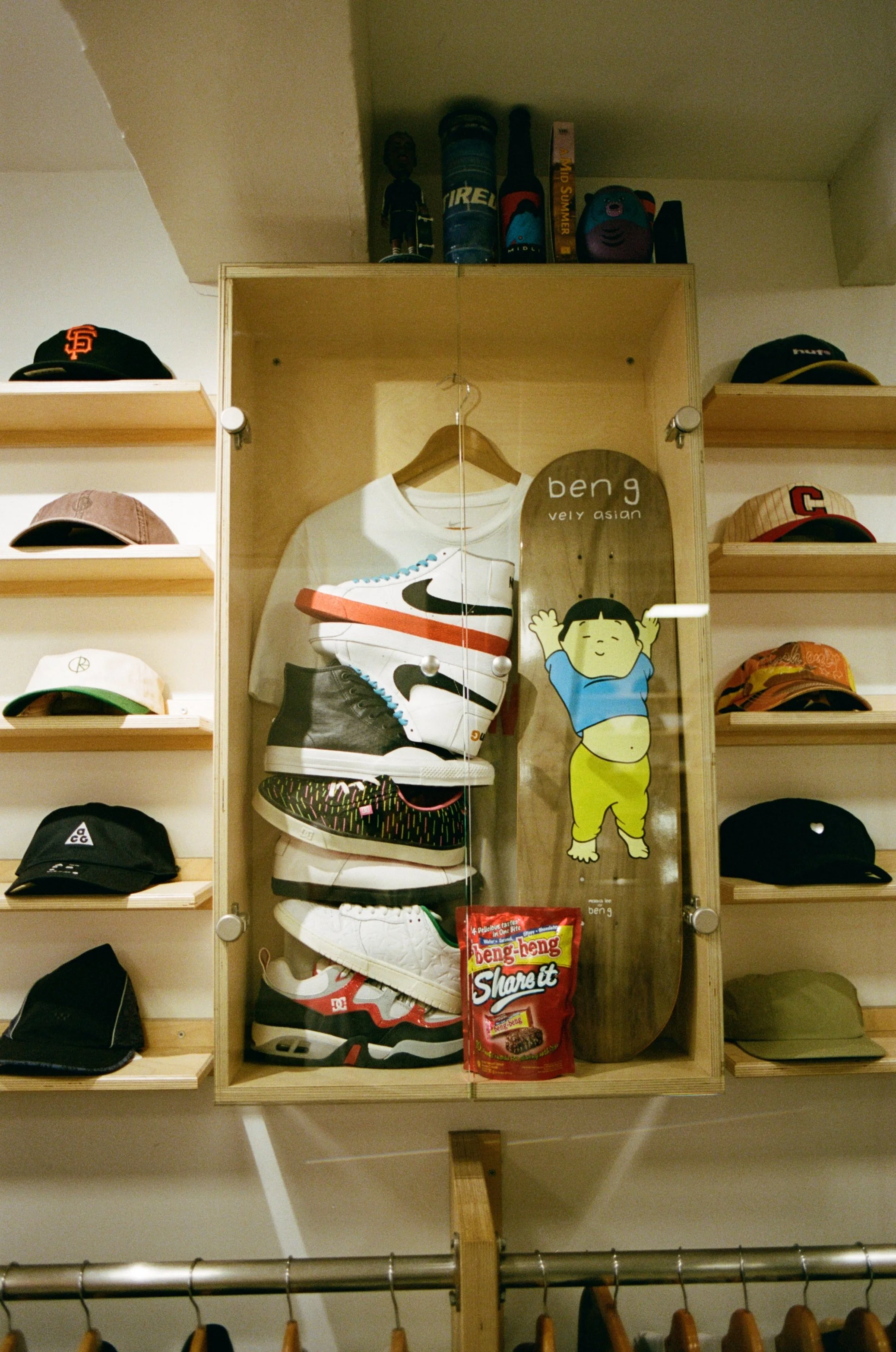
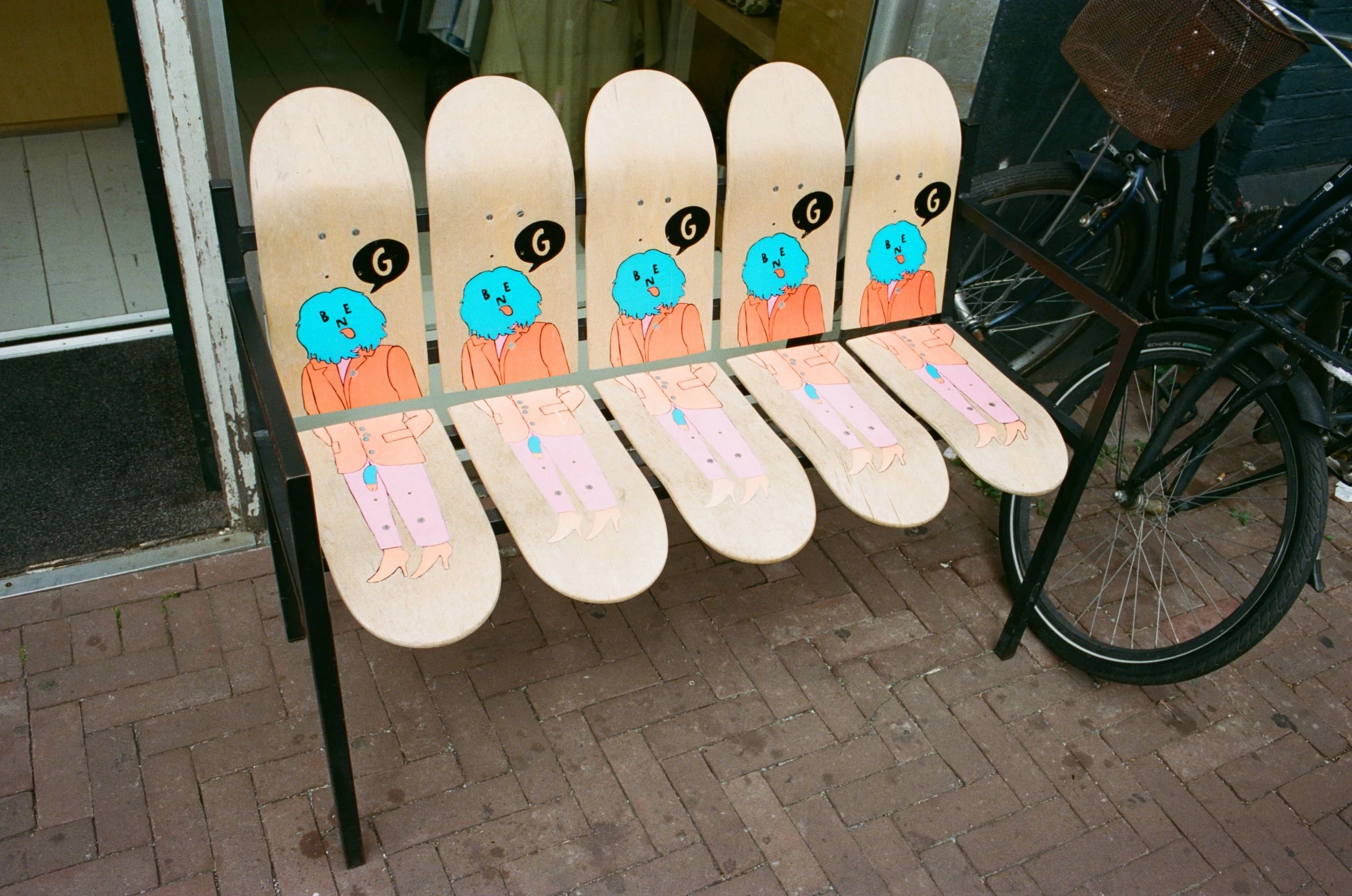
Hearing the way you talk about the shop from the beginning to now, it sounds like it has never really swayed from what it is. It’s still a boutique stocking smaller, harder-to-get brands. How has maintaining that over the years been; has it ever felt like you needed to shift?
We’ve always tried to keep true to ourselves, but at some point we had to be realistic. The shop runs on the sales of non-skateboarders. Skateboarders buy shoes on sale, and most people who really skate are getting hooked up or get a discount at the shop. So, it’s always been a thing where you have to focus on skateboarding trends that appeal to regular people: the Thrasher tees, Palace, and Janoskis. But now, that’s the problem: you can get everything everywhere, and there’s no necessity in going to a skateshop anymore; seventy percent of the brands we carry you can buy online and the smaller companies that we do don’t have that same volume.
Right now, it feels like it's the hardest it’s ever been financially to run a skateshop. What’s the biggest adjustment you had to make in recent years?
We had to cut costs in staff, rent, everything basically to keep it afloat, and it’s still pretty tough. We’ve been open for twenty-one years now. We’ve had good times and bad times, but to be honest, the way it is now, I’ve never seen anything like it. I’ve spoken to other shops about it, and it’s not every shop, some are doing really well, but a lot of shops are also feeling the same way. Here in Amsterdam, the competition is so fierce. Carhartt WIP has three flagship stores, Obey has a flagship store, and we don’t sell Stussy because they have a flagship store. Then, online, as a small shop is a battle that you can’t win; there are bigger shops that are completely focused on online.
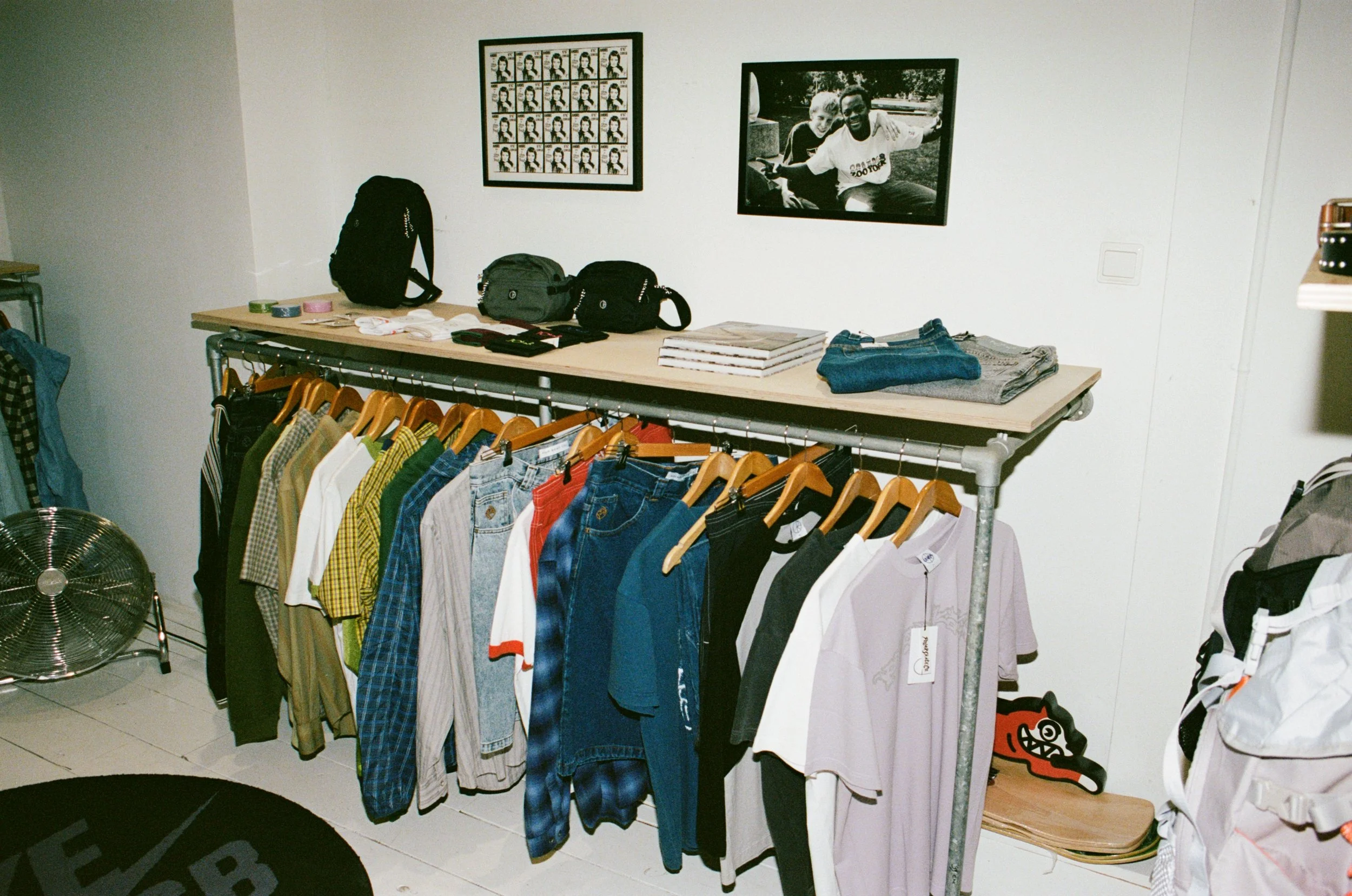
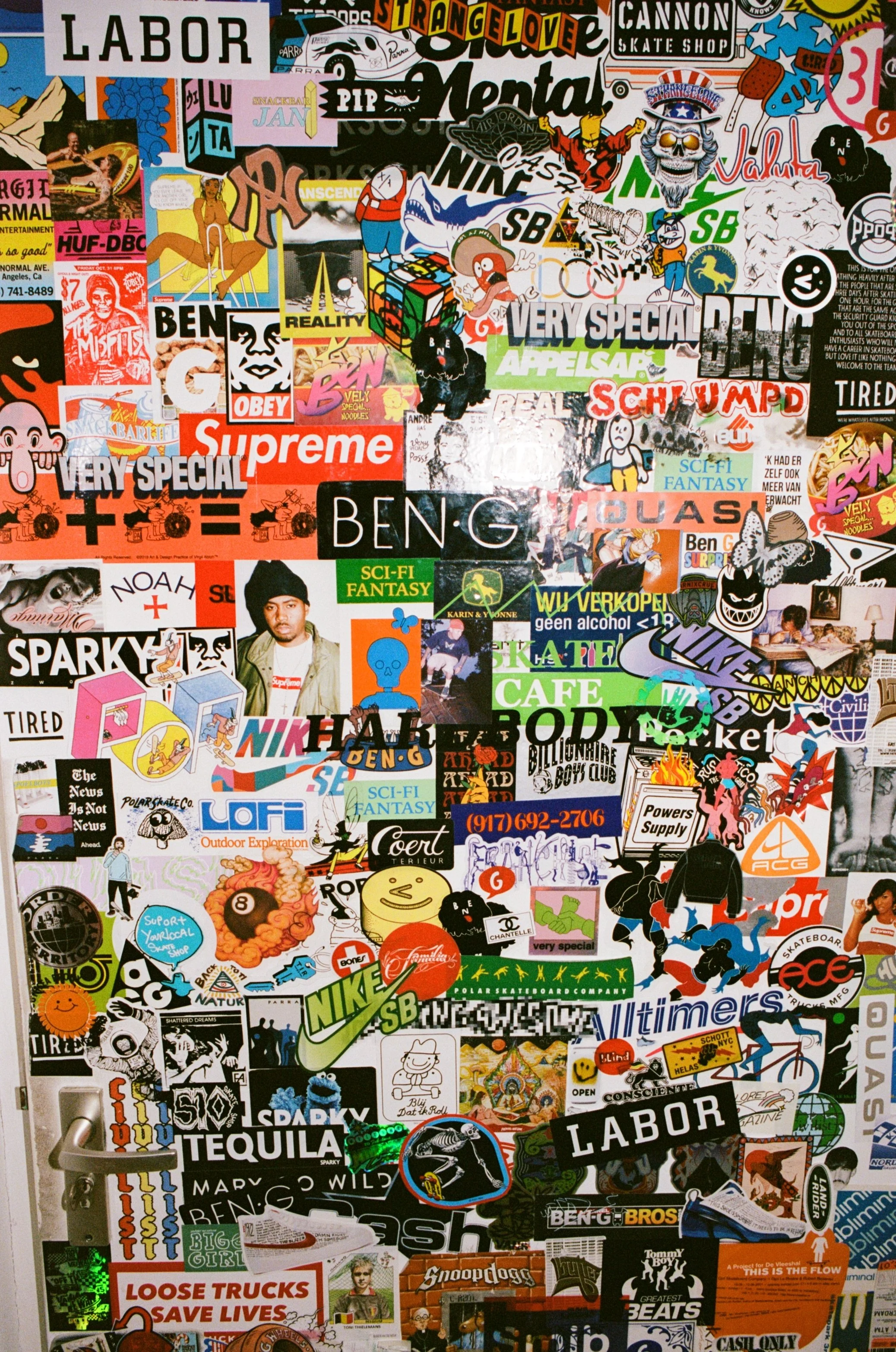
Especially when they order so much and put everything on sale.
They do it smart; they’re really on the numbers. At the start, I didn’t understand why they were putting things at an eight percent discount, but it’s just so they’re the cheapest. When people look for it, they see that it's cheapest, so of course they’ll get it there. It’s a science to run a good webshop.
Are there any new brands that have done well over the last few years?
Everything just sells a little bit. Limosine and Hardbody do really well. Village PM has done really well, but the volume isn’t there. The shoes sold out quickly, but it's nothing compared to a Janoski or a Dunk.
Oh, totally. Nothing will compare to the Dunk era. When I worked at skateshops, there would be a line out the door for a Dunk release and within ten minutes of opening, the shop had already made three grand.
That was the resell business. There was a point where we couldn’t do it anymore; we started raffling shoes, and people got mad.
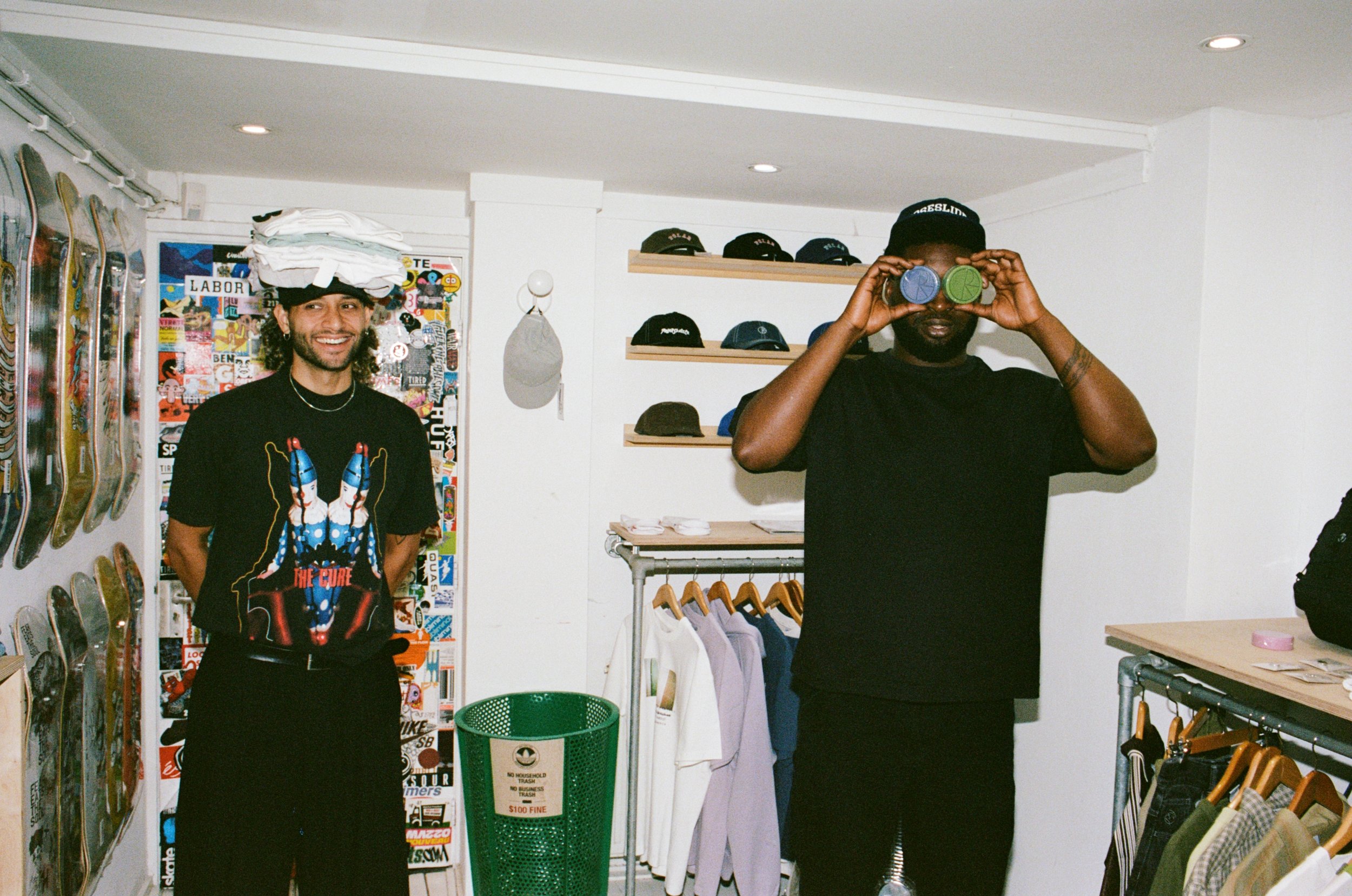
You guys have such a strong relationship with the local skate community, especially with the B.Y.O.B session. What drew you to doing weekly community events?
That was an idea I had with Peter, who used to work for POP; we wanted to join forces and do something at Olympia. POP does a lot for it, which has been great because we don’t have the time to organise what we need every week. In Amsterdam, there are a lot of skateboarders, but Olympia is the only square where people from all over the city skate and before Olympia it was strange; you would go to a little skatepark in a neighbourhood and you’d bump into skateboarders you’d never seen before. So we wanted to do something that brought people together even if it was just once a week.
You’ve put a lot of effort into getting new obstacles made for Olympia in that time, right?
Yeah, and in the last year Pontus [Alv] paid for a lot of obstacles to get made. The thing with Olympia is the skatepark is really shitty…
The skatepark is so bad. I did a kickturn on the quarterpipe and was like, ‘I am not skating this thing.’
That’s why we started the sessions; so we could bring a bunch of curbs and smaller obstacles in the flat area, because the flat is so good. The city is going to change the whole park next year, which will be really good; everyone had a say in the design.
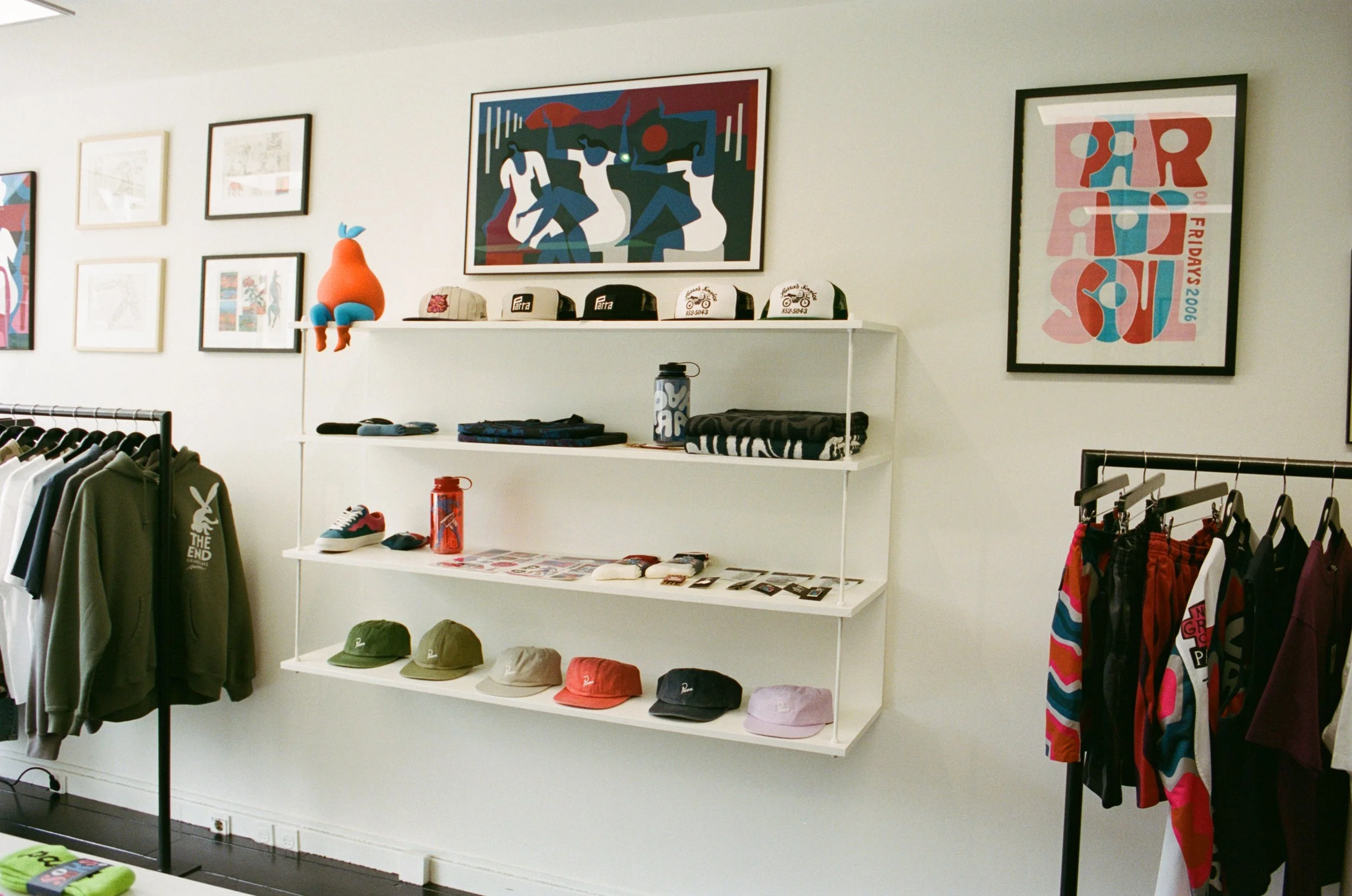
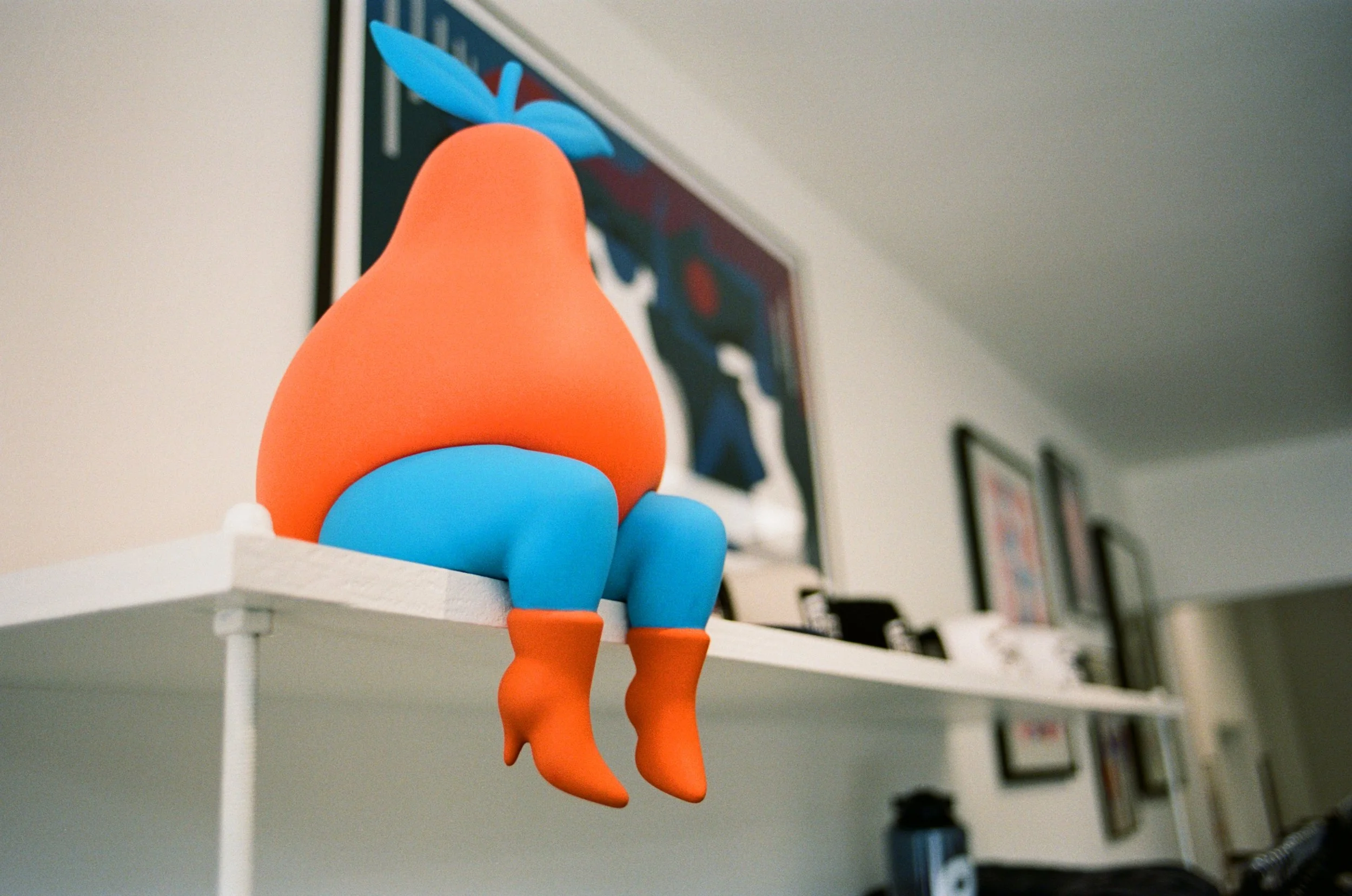
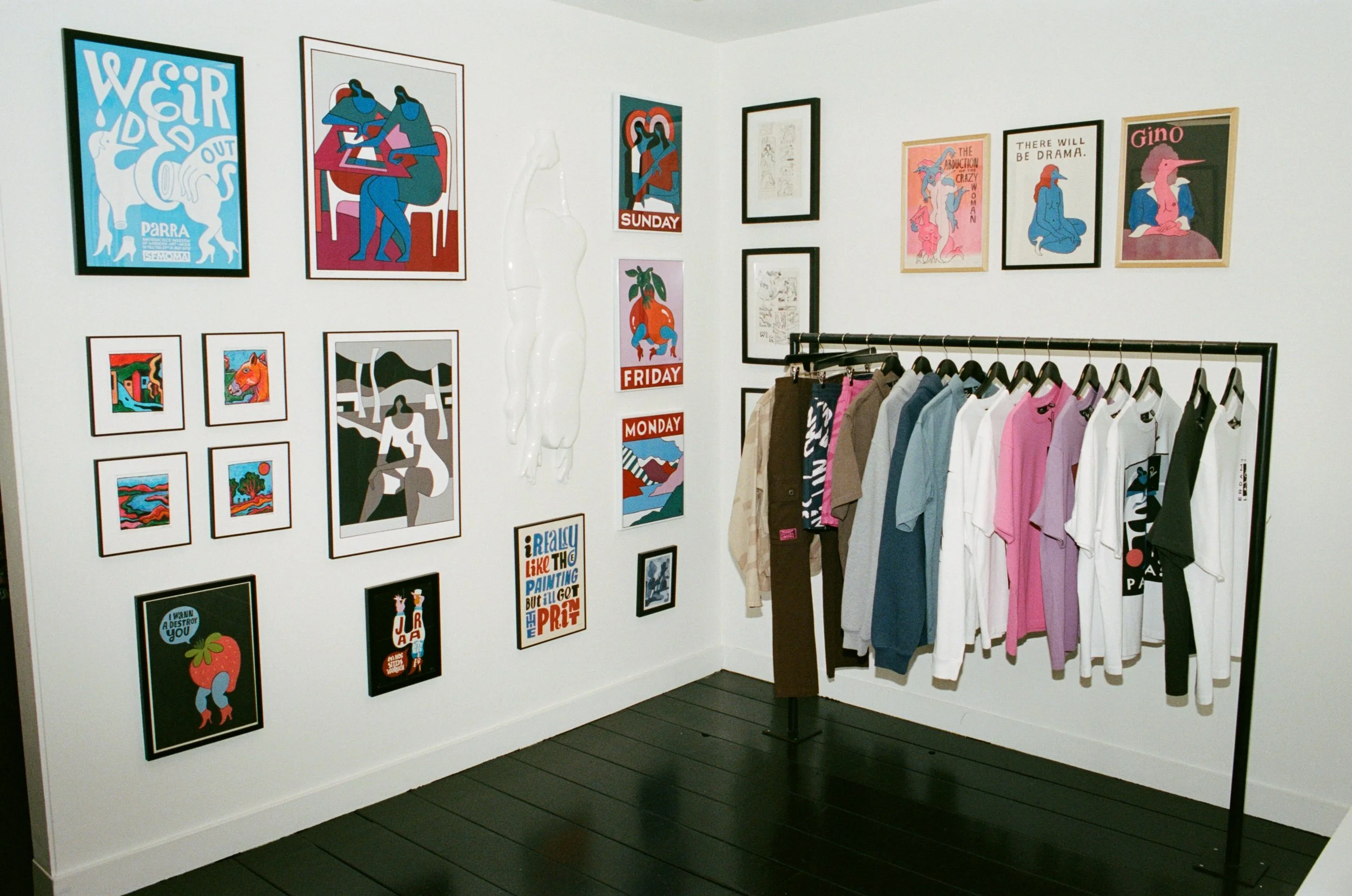
What’s the importance of bringing people together for you?
No one else is doing it. Somebody has to.
It’s more than that, though. Being a shop that supports the community right now feels rare; there are barely any shops in Australia doing anything for the community, and that seems to be the global trend too.
I don’t think it’s because they don’t want to; I think it’s more because they don’t have time or capacity. That’s why I’m glad we do it with POP. We used to have more people working in the store, but now it’s just Aaron, KC and me. It’s really hard to be organising things when you’re on the floor. I don’t think skate shops don’t want to do stuff because I bet they do, but time-wise it’s really tough.
It’s cool that you guys and POP are so tight.
Yeah, even with all the shops, we’re cool with each other. I call them if I don’t have a size and try to send people there. We help each other out. It’s not like we are rivals, we’re all in this together. There’s no point trying to cause animosity. It’s just skateboarding at the end of the day.
I wanted to ask about the Dunk you did a few years ago. How did you come up with the idea to do a dunk with no swoosh but with little swooshes?
I’ve had that idea for so long – the all-over swoosh, no swoosh – I never understood why it hadn’t been done. In 2005, all-over print was such a big thing, and it was already playing in my head. We did a blazer first a few years prior, because I like blazers more for skating. We eventually photoshopped a version of the dunk, pitched it to Nike, and they were into it.
It looks so cool.
It looks so weird because it’s embossed.
What’s the deal with Ben G having the most star-studded shop team in the world?
It’s so random. We used to have a lot of people on the team. I used to be able to claim that [Eric] Koston was on my team [laughs].
Did you kick him off?
No, we don’t do much with the team anyway [laughs]. He would always wear Ben G hats and tees, so it was a running joke that he skated for us.
Who else was on the team?
Huf [Keith Hufnagel]; he put Ben G in his Instagram bio with all his sponsors.
That’s so sick.
It was all through Brad Staba. We’ve been good friends for a longtime. He comes to visit here a bunch, and I’ve visited him in SF. He’s a crazy guy [laughs]. Staba and [Dan] Plunkett used to be on the team.
Dude, you keep kicking these guys off?!
No, it’s a running gag. It’s a skateshop; it's not really a team. It’s the lowest form of sponsorship. It’s like your first sponsor is the skate shop. We used to have a website that had the team list.
Wait, surely it’s still there. Let’s check.
Okay, yeah. Staba, Parra, Scuba Steve is on the team, of course, Peter Ramondetta, Tim Zom, Daniel Lebron. I should remove it; this is so embarrassing.
No, don’t it’s so funny [laughs]. Last question: What keeps you wanting to do this?
I love skateboarding so much; I’ve been doing it since I was ten, and I don’t know any better. I have a vision of how skateboarding should be and how I want it to be portrayed. I used to be very narrow-minded, but I’ve opened up a little bit more now. I’ve adjusted my views on things. I don’t want to be such a dick, but on the other hand, I can't help myself. I’m a bit of a hater; there are things that I don’t like.
You have to be; you can’t successfully run a shop if you don’t have your own taste or opinions.
Yeah, I used to be very narrow-minded. I didn’t want to sell any coloured wheels or coloured trucks, but now we have a set of black wheels because Aaron rides them. But then again, when I bought my first set-up, I also wanted coloured grip. Anyway, I want to show a kid who comes into the store how cool skateboarding is. It’s an experience that can’t be recreated online. Independent skateboard shops are a dying breed, and it’s important that we exist.