Sly Morikawa’s Devotion
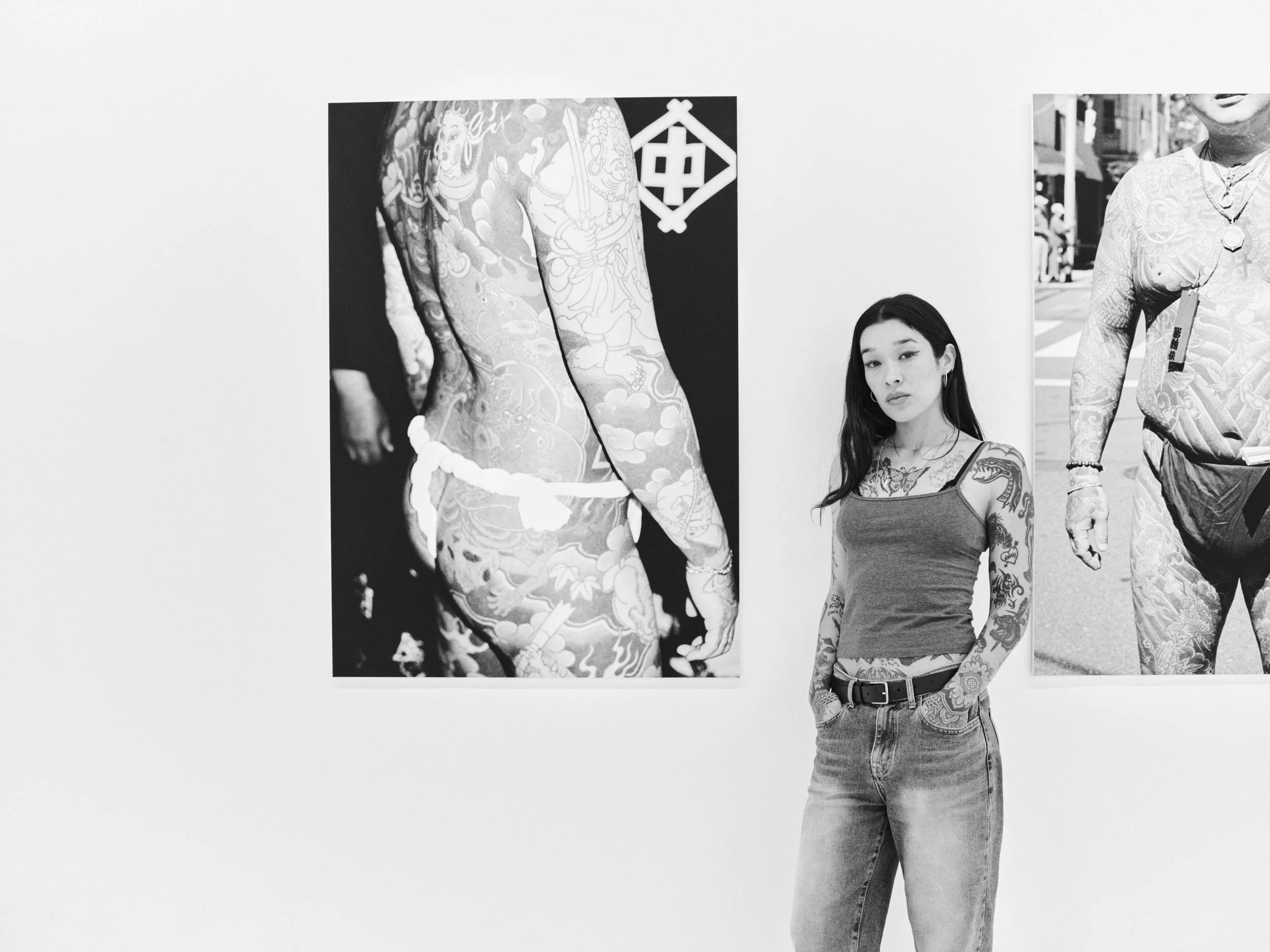
Photography by Pierre Toussaint.
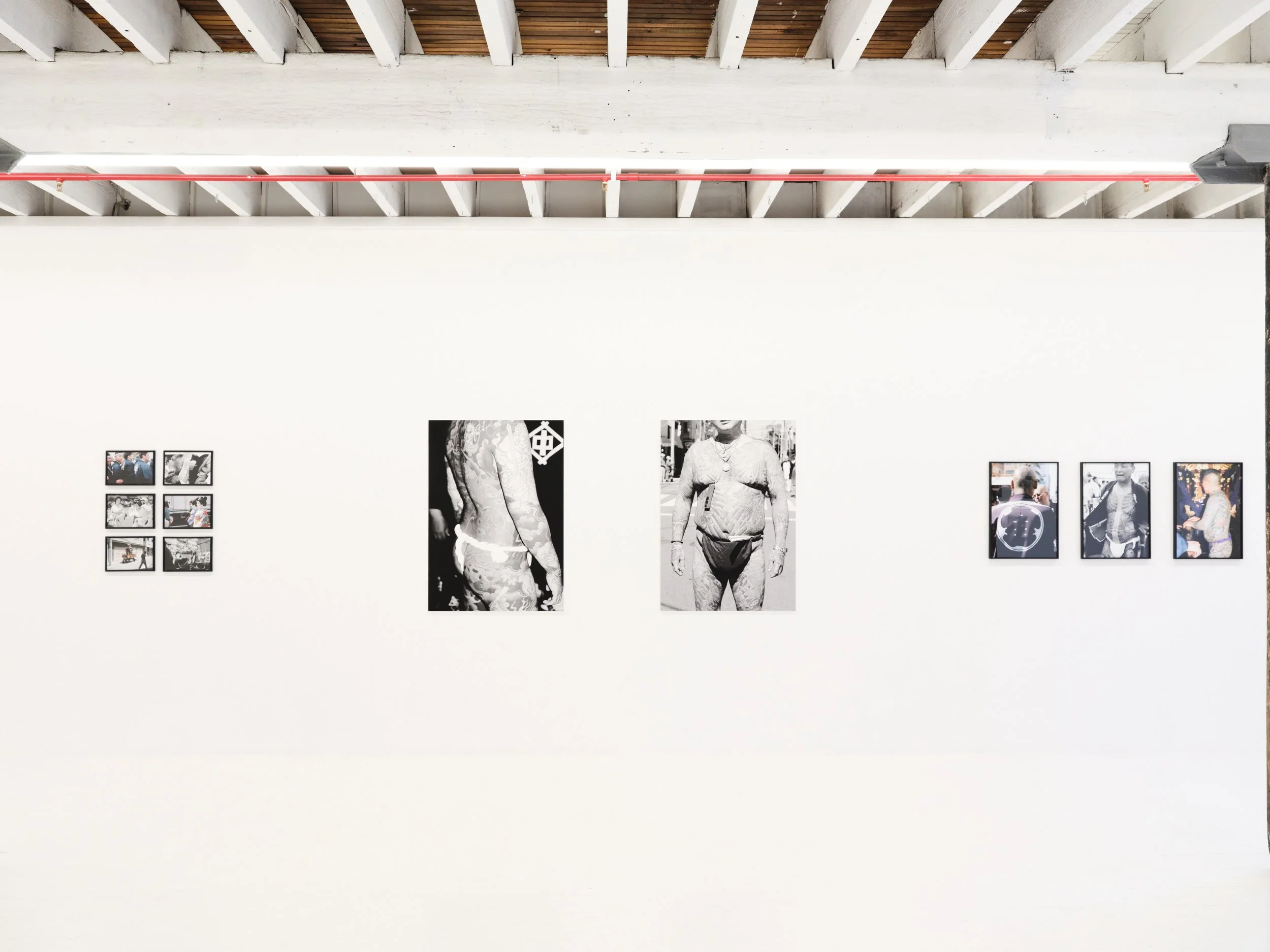
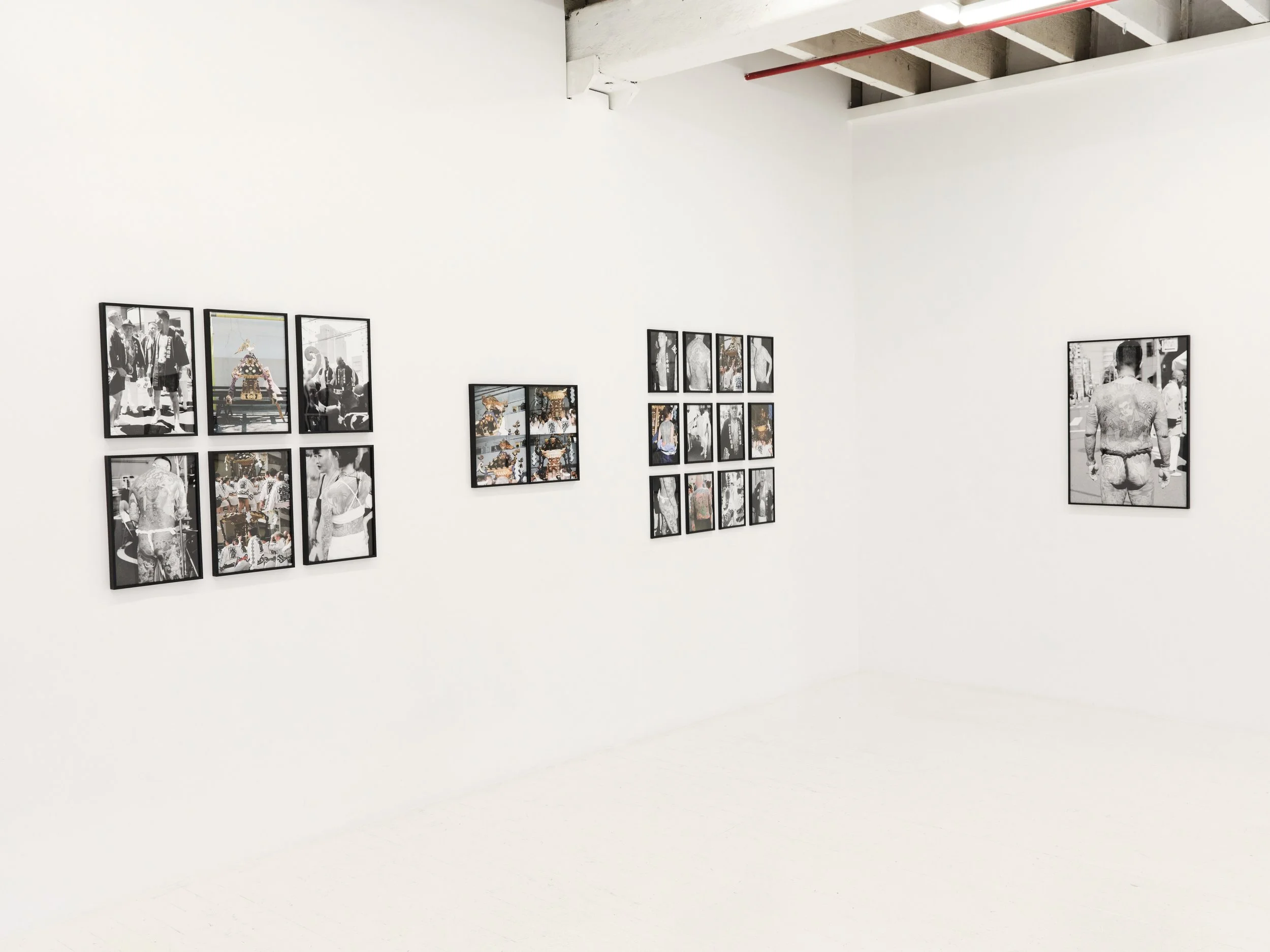
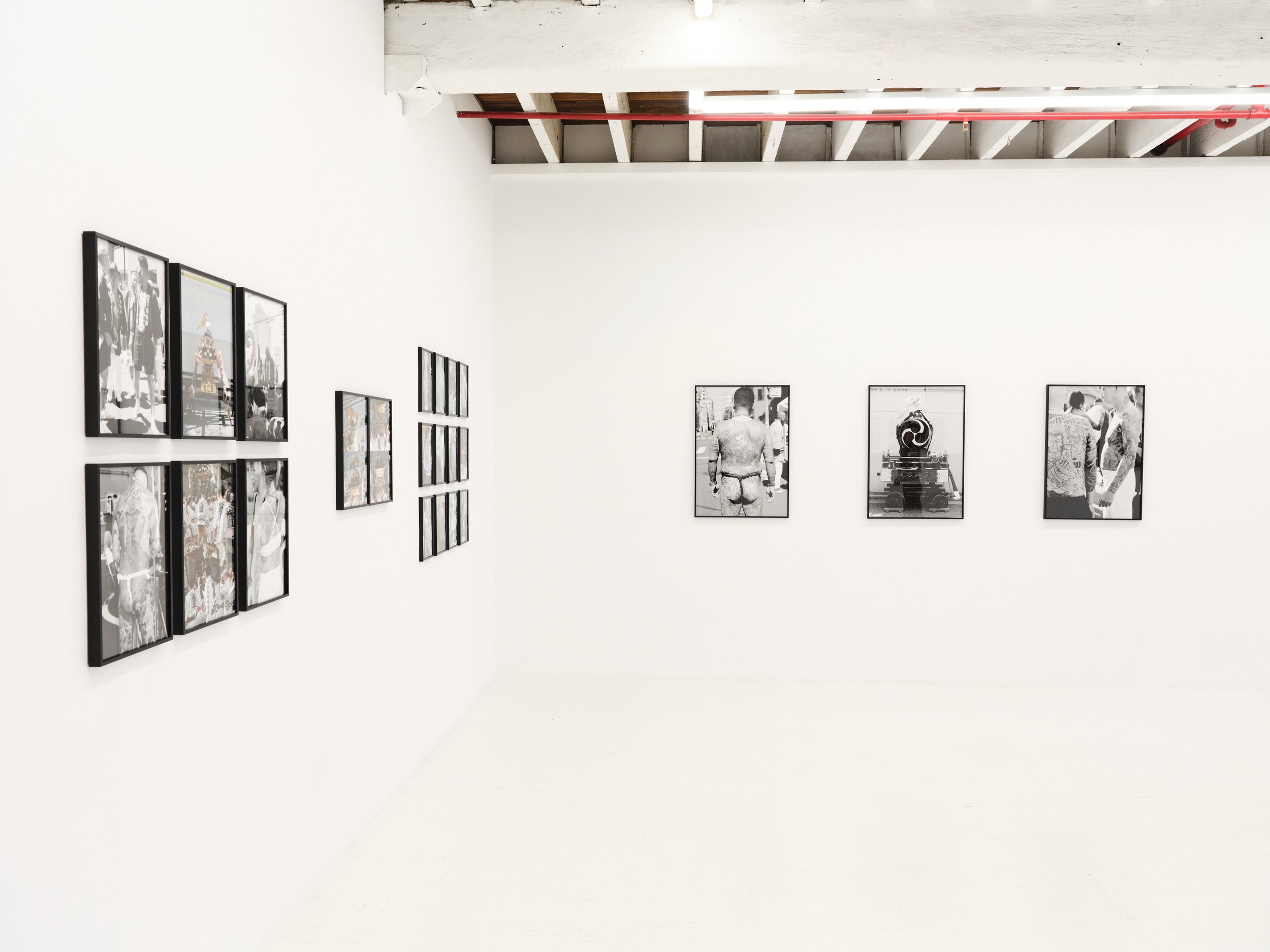
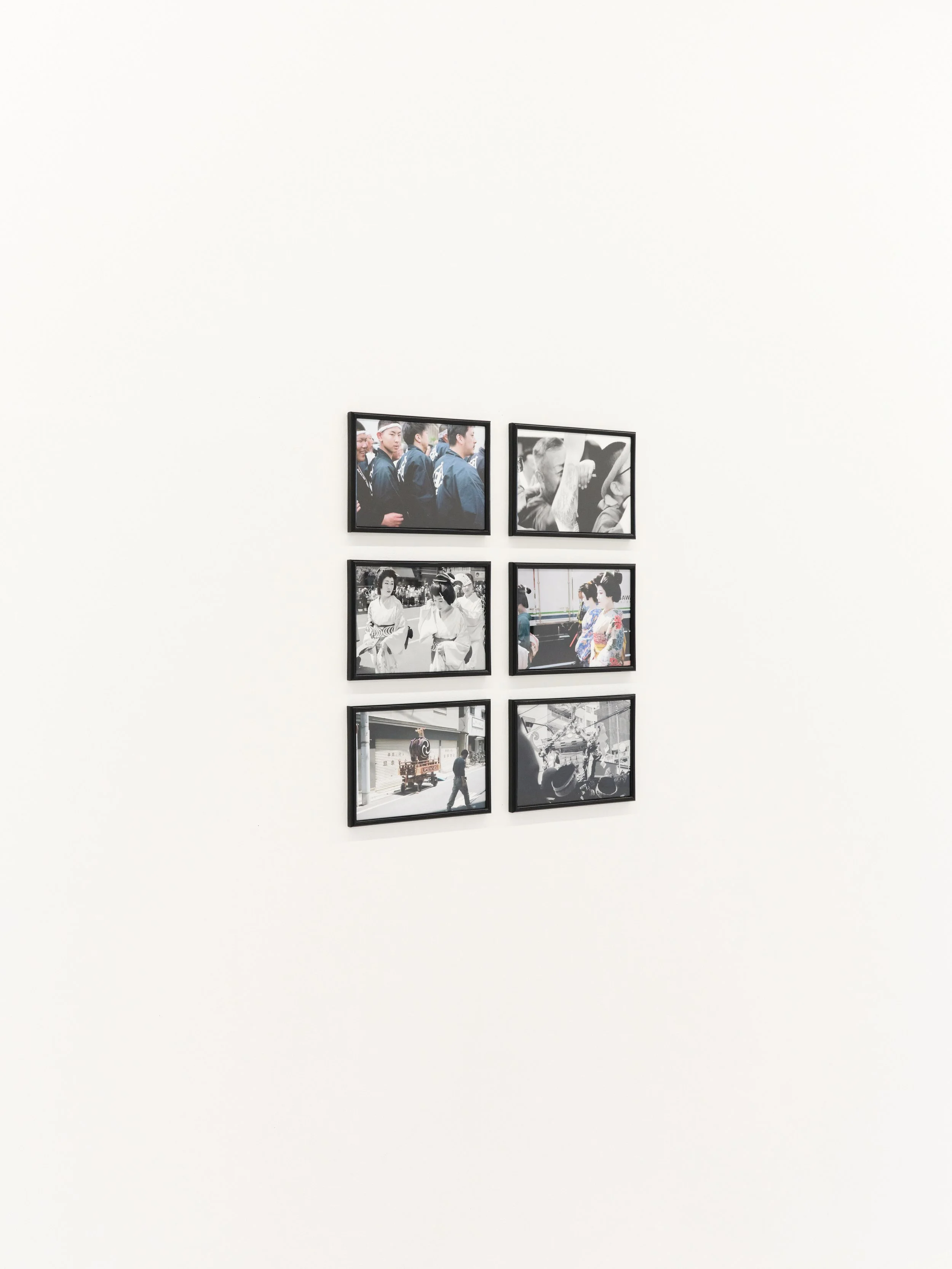
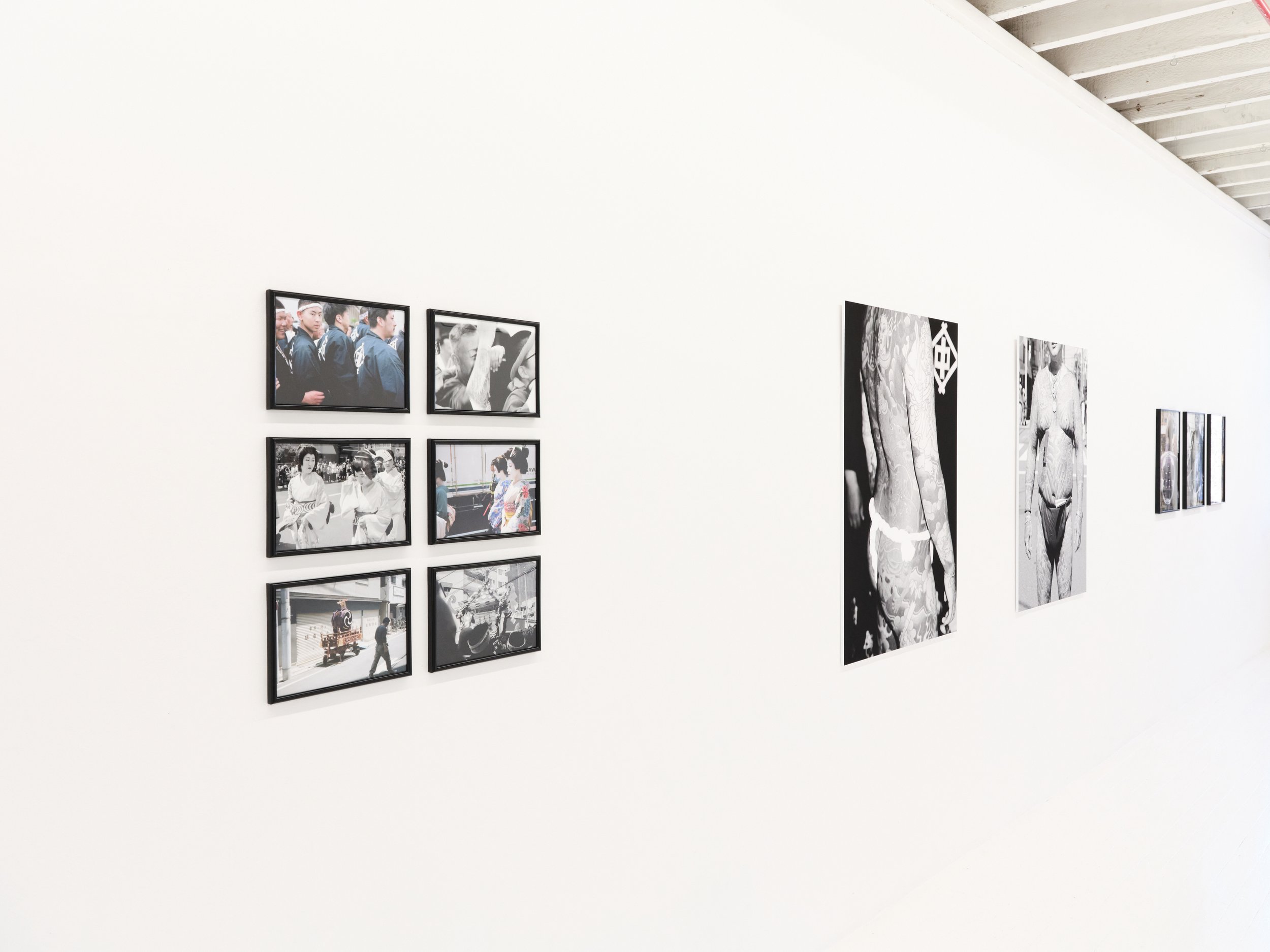
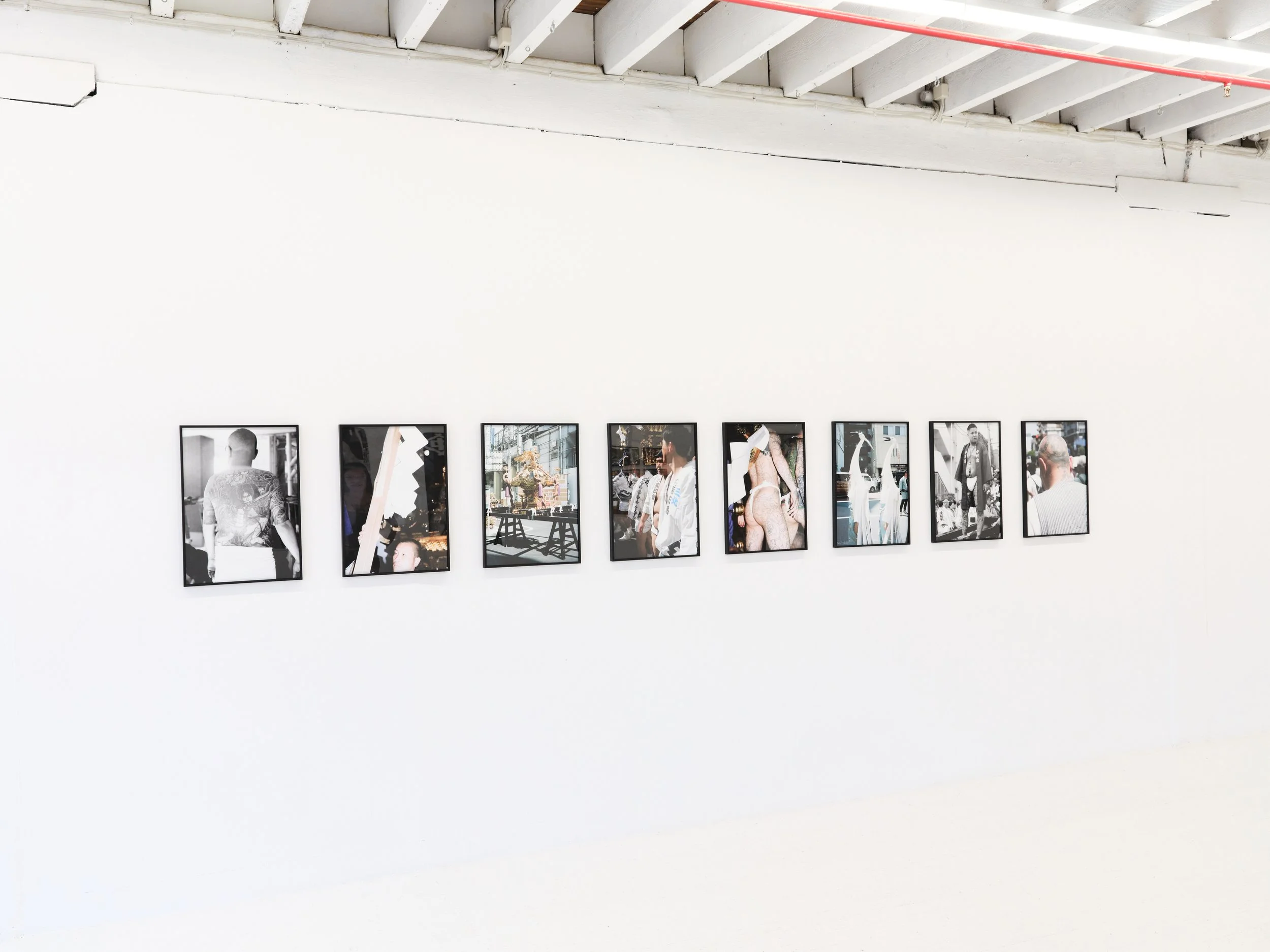
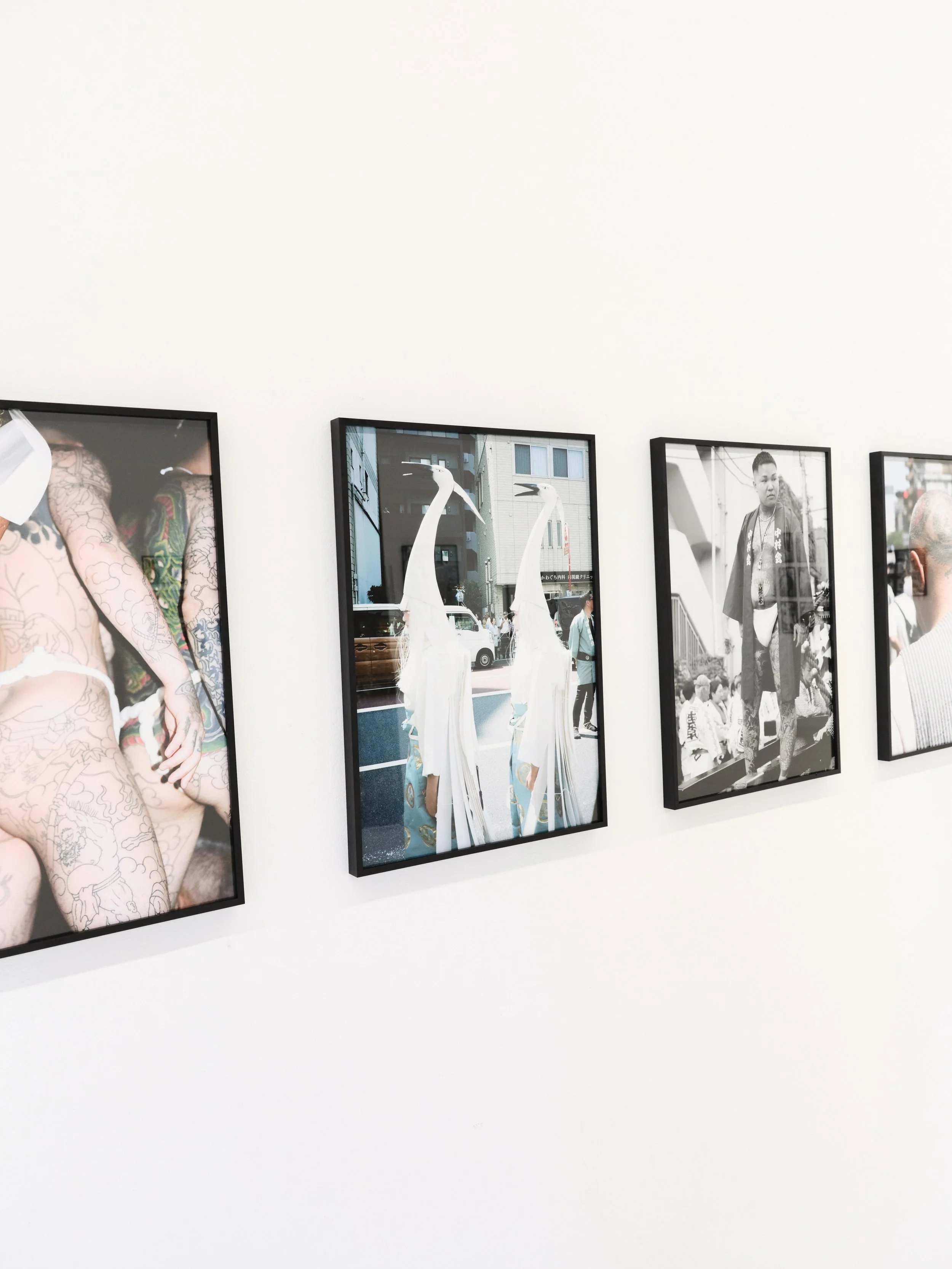
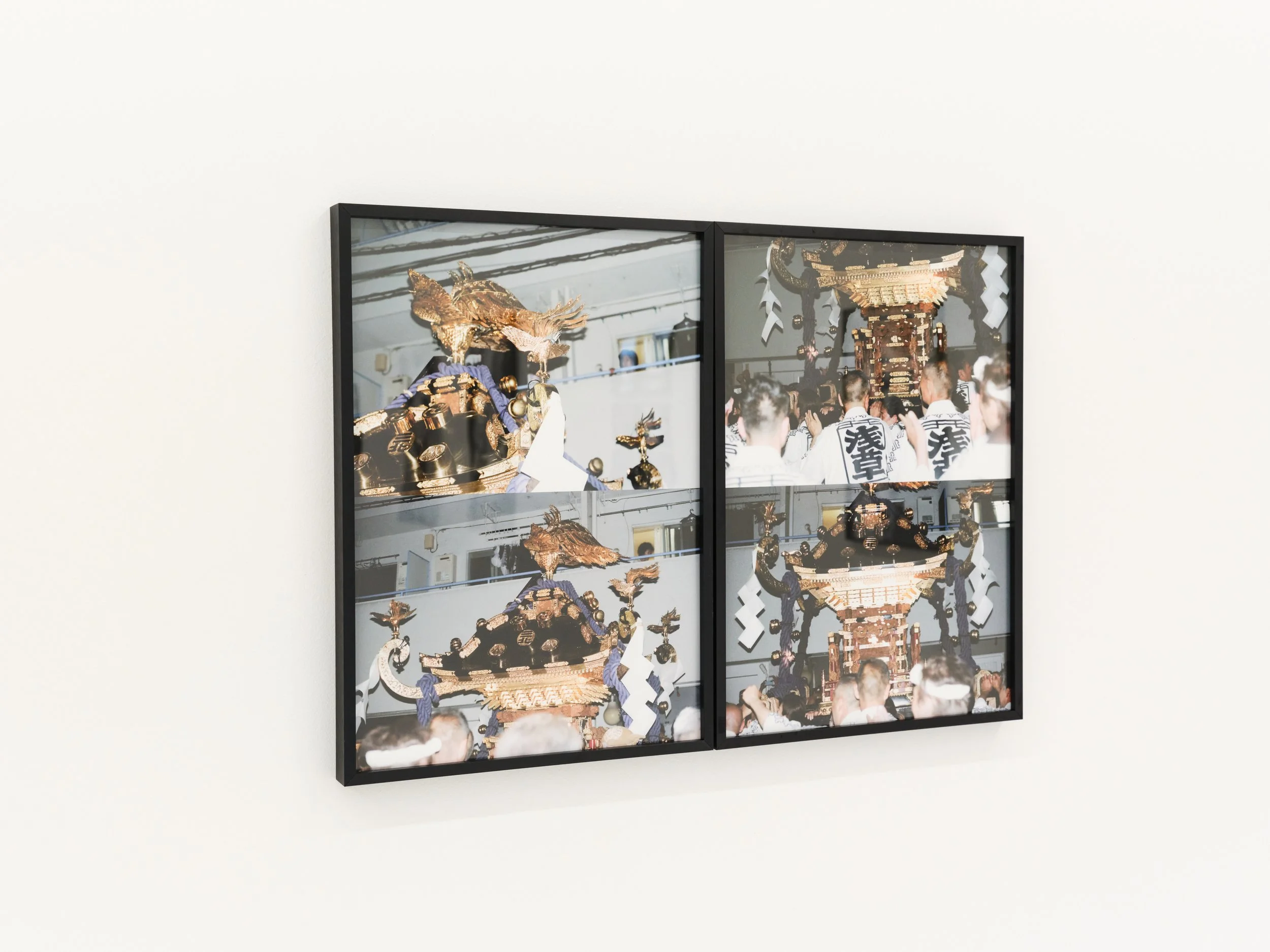
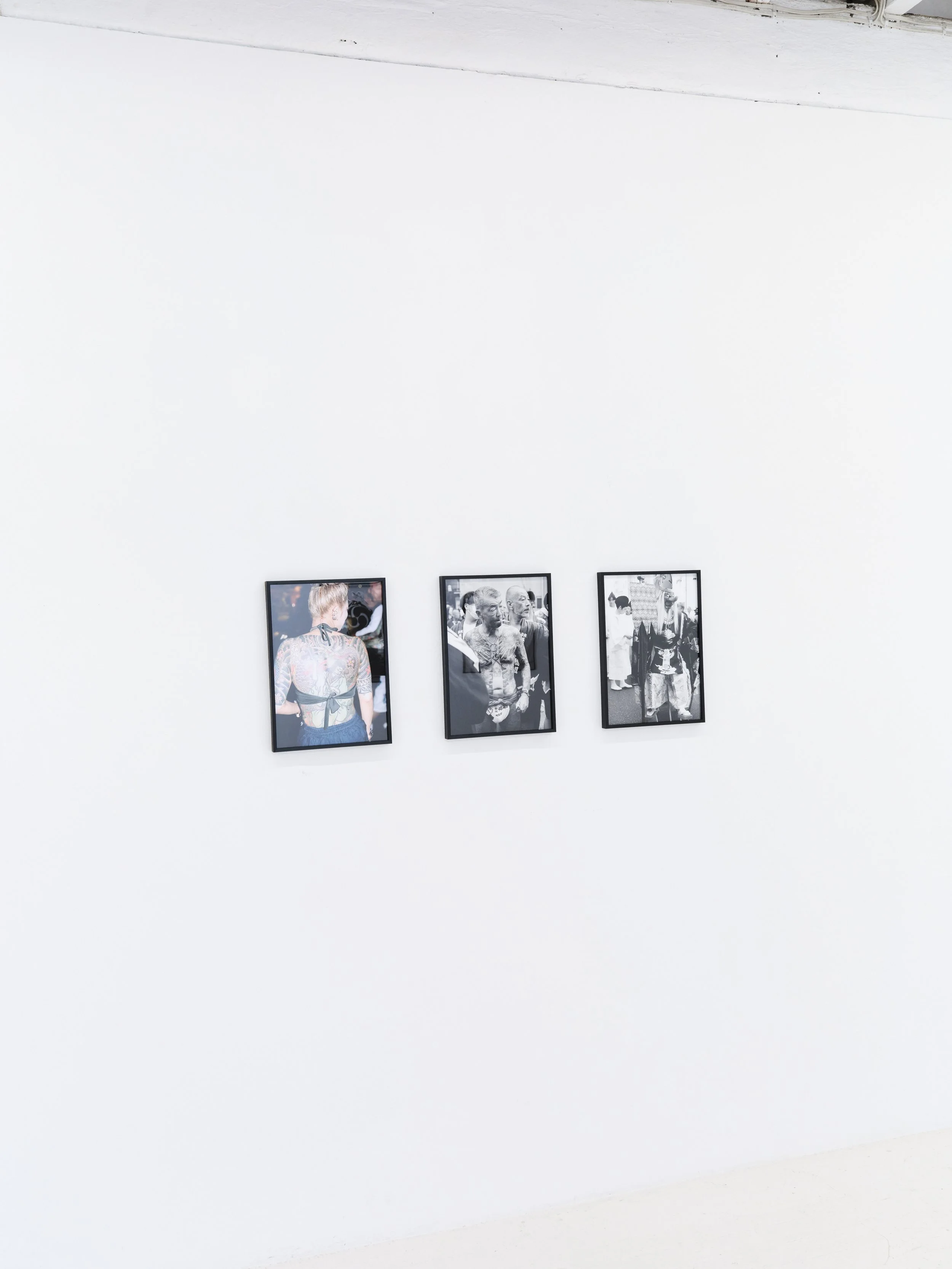
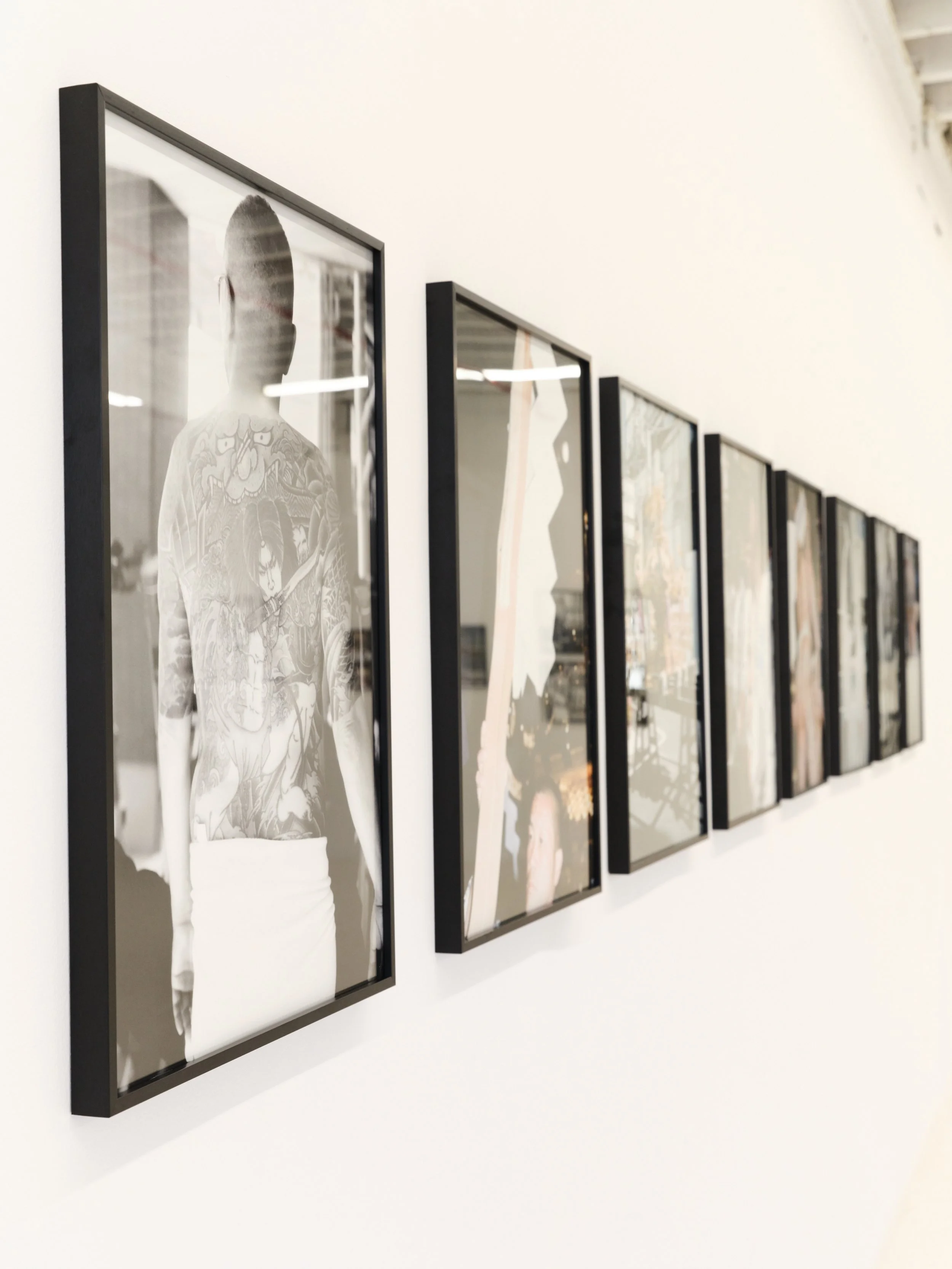
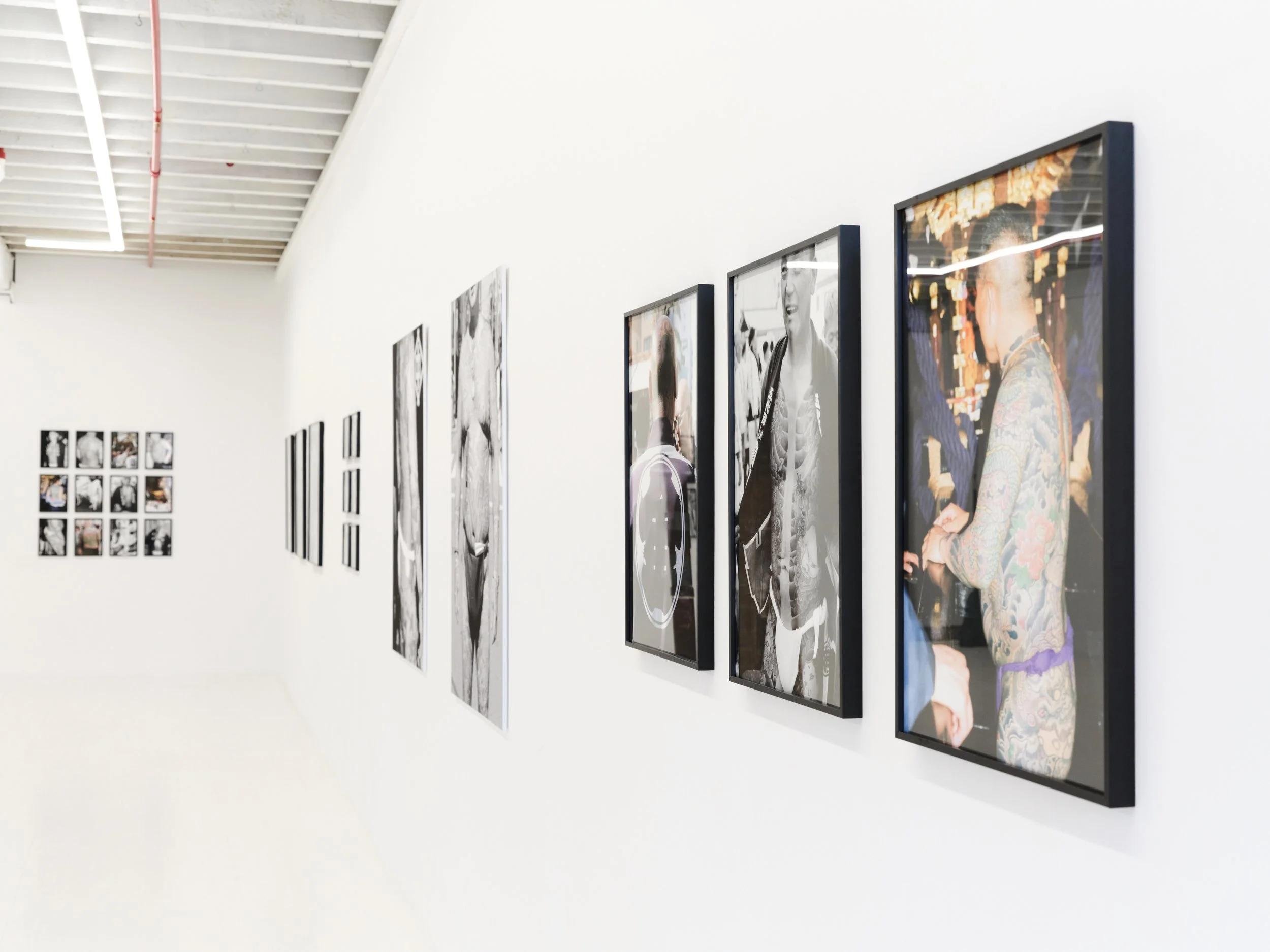
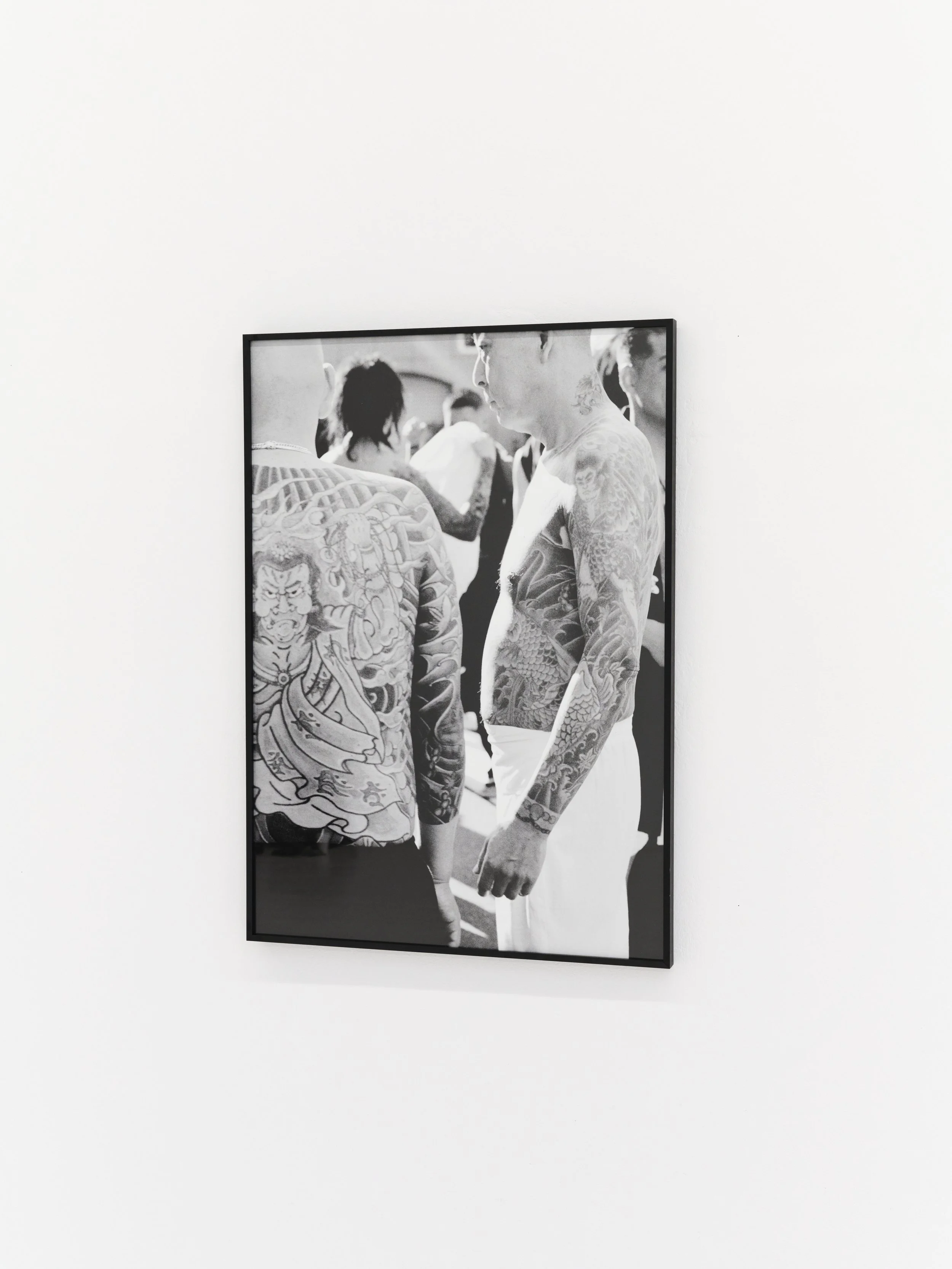
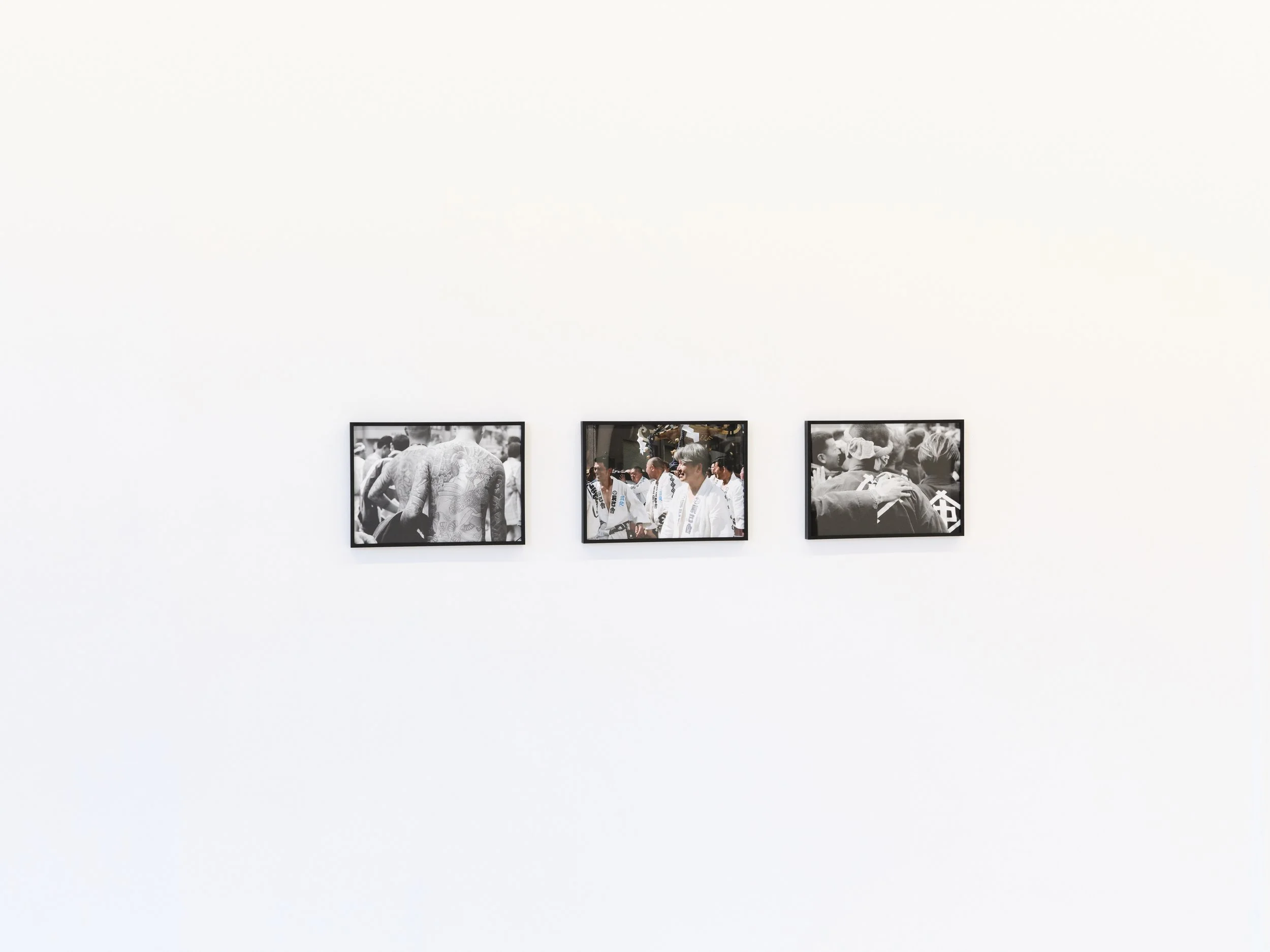
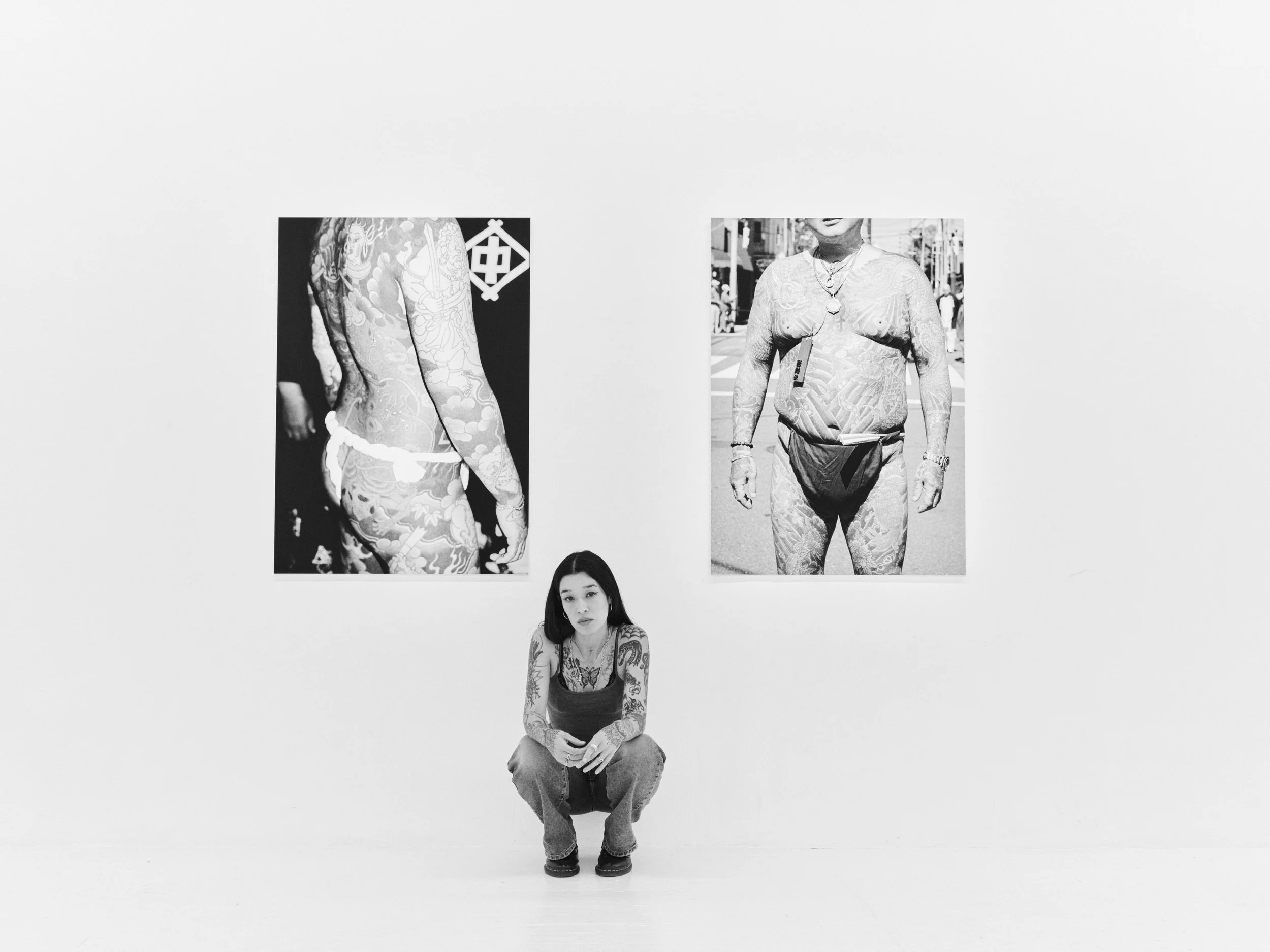
Sly Morikawa’s new show Devotion opened at China Heights on Friday, expanding on the photobook she released with Friend Editions in 2024.
The series follows Sanja Matsuri, Tokyo's irezumi-heavy festival where tattoo culture, ritual, and organised crime intersect in public view once a year. It’s important to note that organized crime isn’t the focus but simply an aspect of shitamachi pride - shitamachi being the traditional working class and artisan areas in Edo Japan - and because these organisations have ties with the area they celebrate Sanja Matsuri too. It's one of Tokyo's largest and well-known shinto festivals, it takes over multiple blocks throughout Asakusa district in Tokyo, and . Sly first documented the festival in 2024, but conversations with Friend Editions' Oliver Shaw and an invitation from China Heights sent her back to Sanja Matsuri in 2026 to deepen the body of work. Here, she talks through Martha Cooper's influence, her shift from intimate portraiture toward documentary, and the family history running quietly underneath it all.
The essay frames Devotion as a "coalescence of many long-held interests”, the irezumi, the ritual, the outsider's gaze. When did Sanja Matsuri first appear on your radar as something worth returning to year after year, and at what point did you know it deserved a full body of work?
I read about Sanja Matsuri years ago and was immediately drawn to it. I knew it was something that I wanted to witness for myself, and so it was kept in the back of my mind for when the timing made sense. I didn't have any expectations the first time I went in 2024, but experiencing the scale of the festival, making these connections, and being welcomed to celebrate over the weekend with one particular group made me realise that the story deserved a full body of work. Those initial photographs turned into Devotion, the photobook I put out with Friend Editions that same year. I honestly didn't anticipate the book selling as fast as it did, and for a while I thought about releasing a second edition. I ended up at LAABF last year with Oliver Shaw from FE (coincidentally, at the same time Sanja Matsuri was taking place), and we talked about working on a special edition with even more photographs in it. It was only a few months later that China Heights approached me about doing a solo exhibition. These two conversations were the catalyst for me to return to Sanja Matsuri in 2026 and expand on the series.
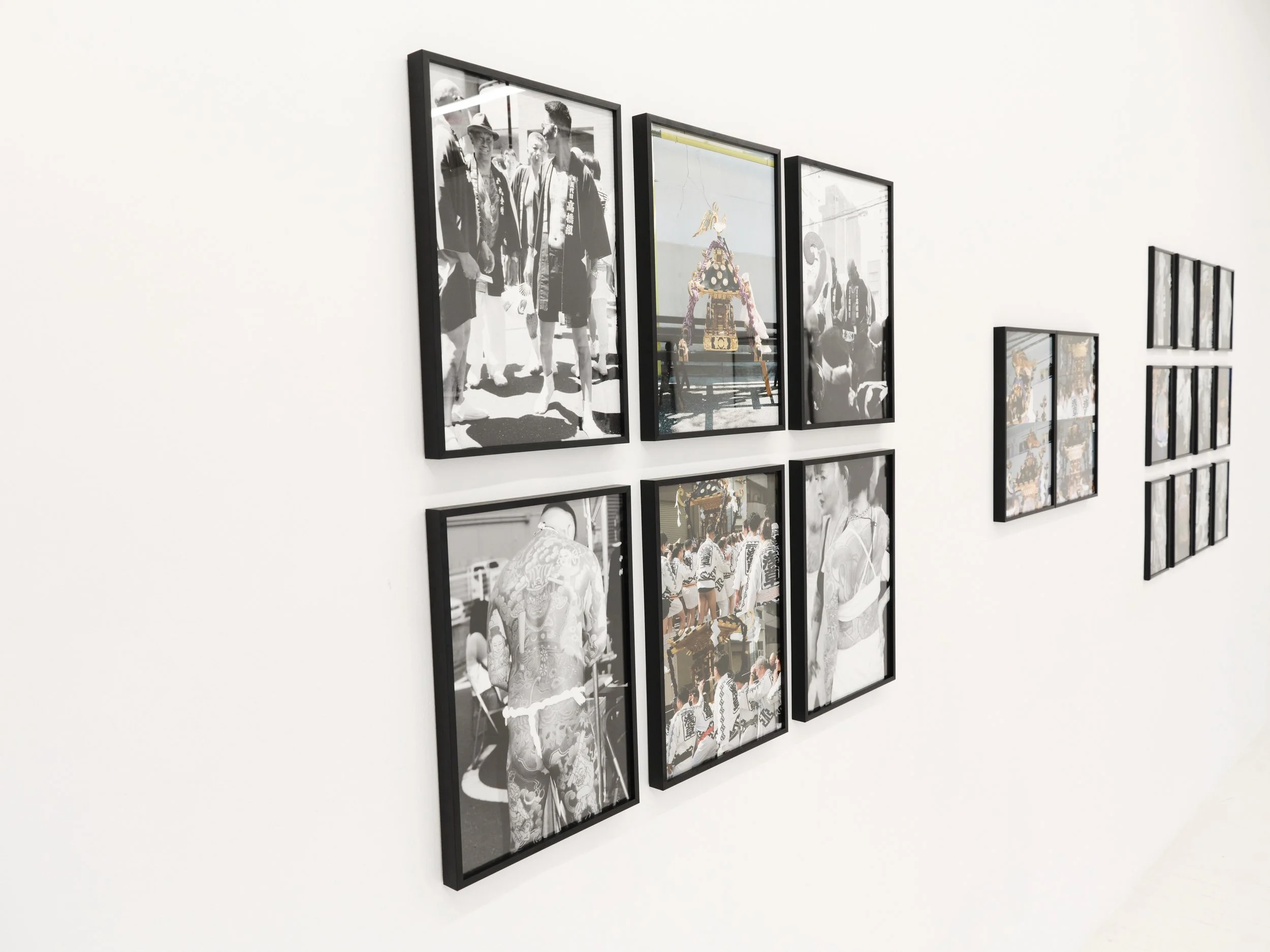
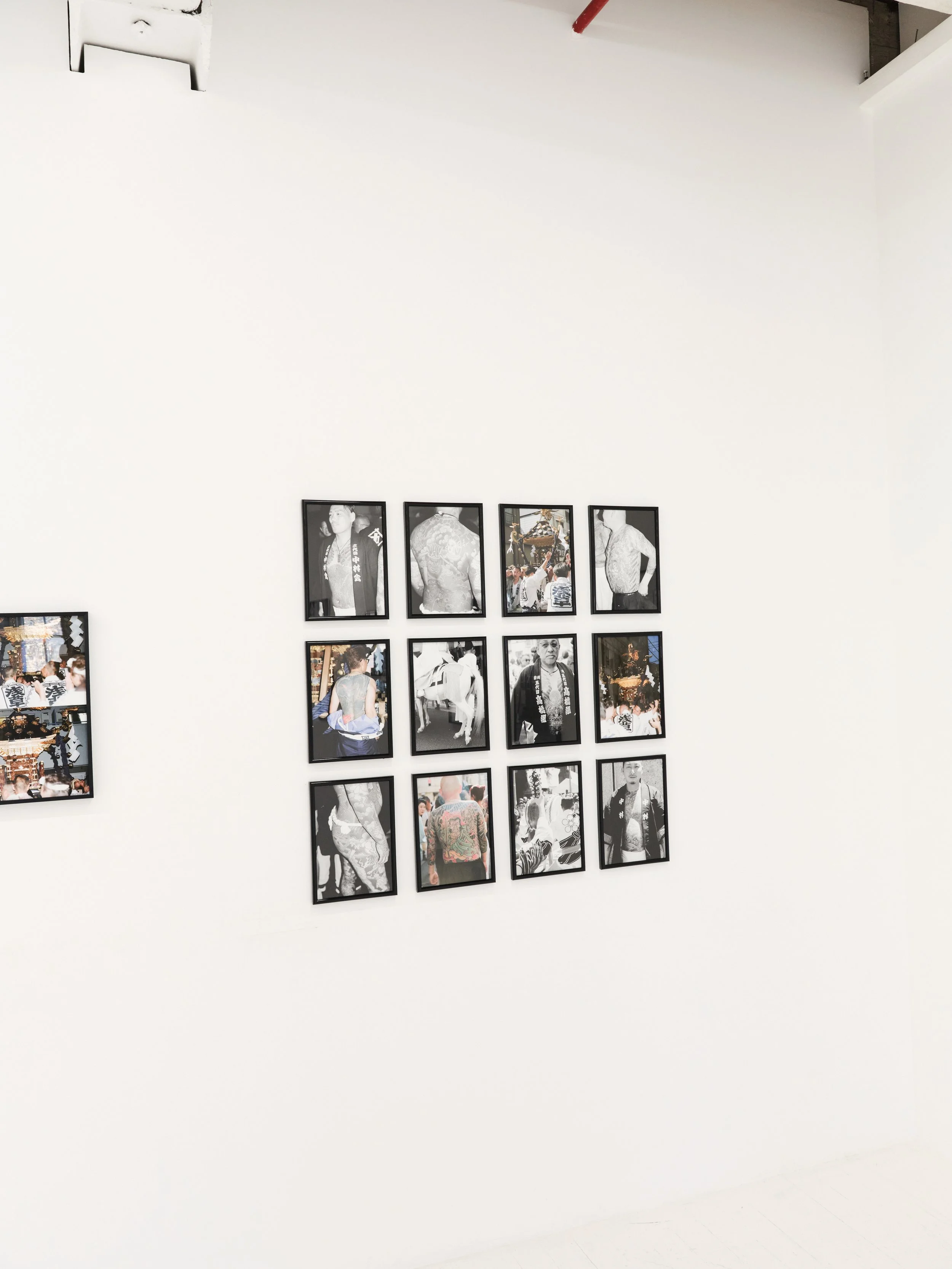
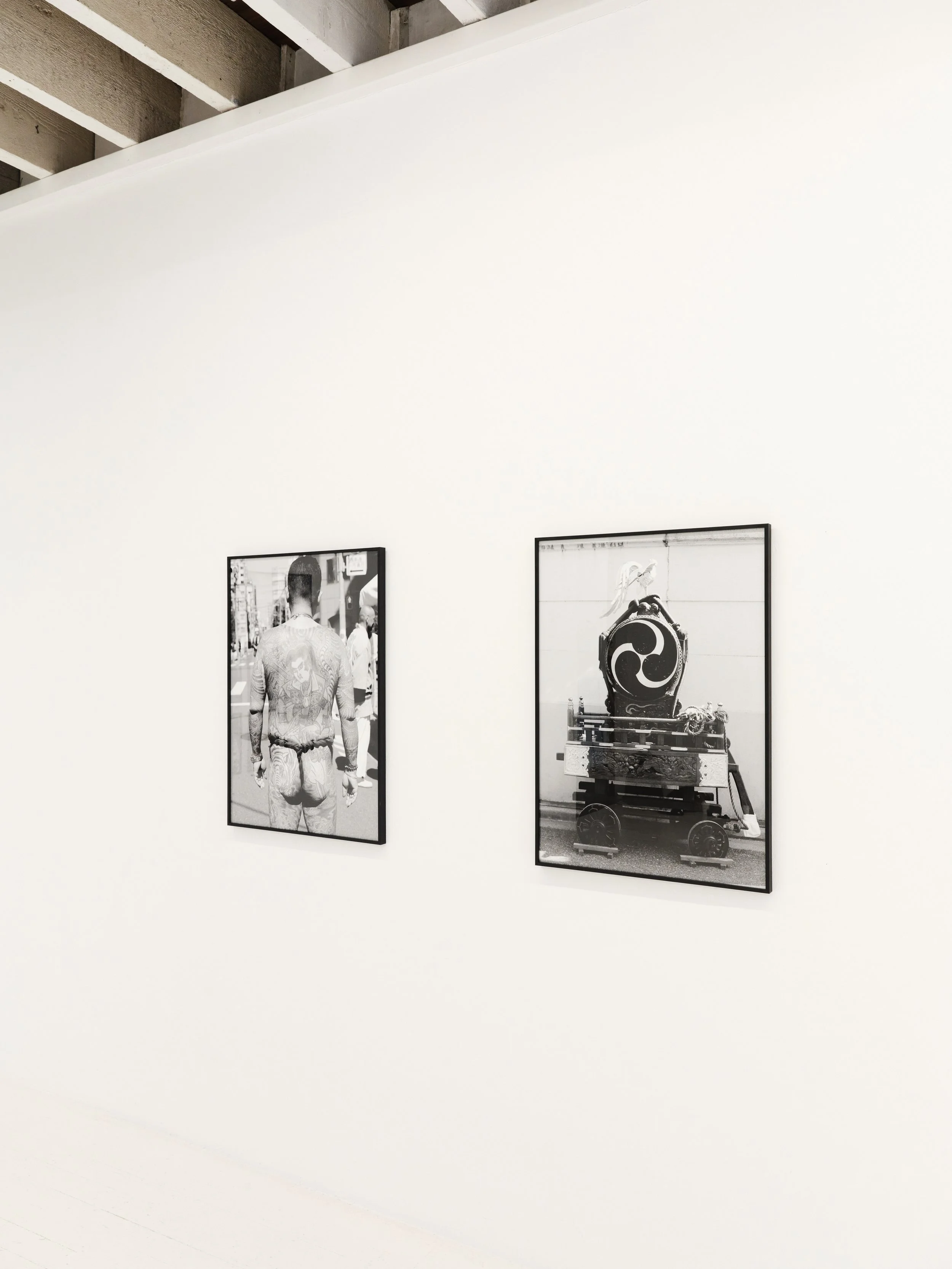
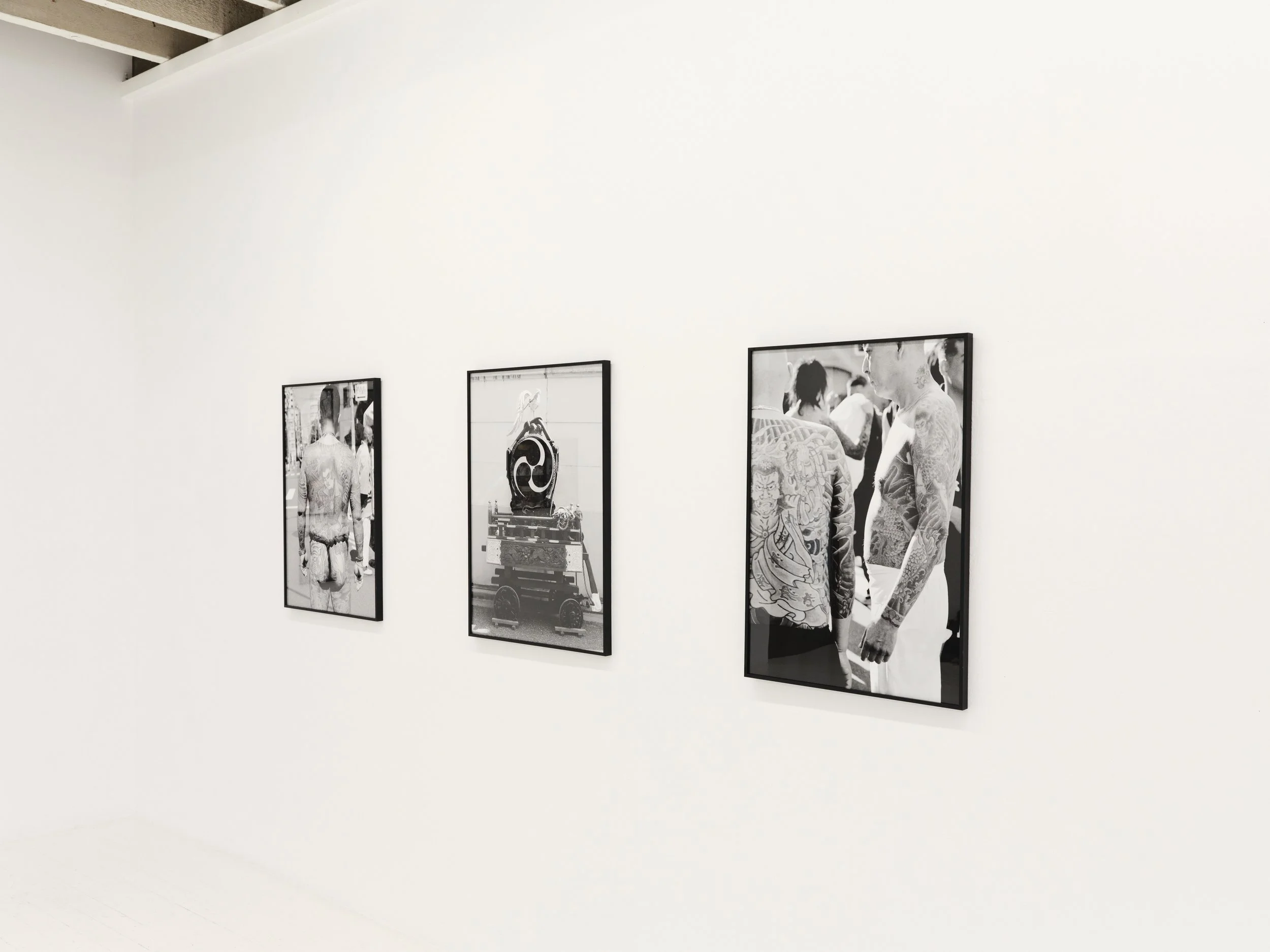
The essay draws a direct line from Martha Cooper's 1969 irezumi photographs to your own work, two women, decades apart, photographing tattoo culture in Japan from adjacent but distinct positions. Do you think of Cooper as an influence you actively studied, or more as a kindred instinct you recognized after the fact?
She's not an influence I actively studied; there are so many photographers I admire for different reasons, and she happens to be one of them. I'd say it was more a kindred instinct I recognised after the fact. I mentioned this elsewhere, but I came across her work in Tokyo Tattoo 1970 before I discovered her work documenting early New York graffiti, which is the opposite direction in how her photographs are usually seen. It's not the aesthetic of her photographs that I'm influenced by, it's her ability to step into worlds outside her own and document these subcultures with dignity and respect.
Cooper's Tokyo Tattoo 1970 work predates her more documentary, urban-decay period in the Bronx. Your own trajectory seems to move the opposite way, rom more private, sensual work toward something closer to documentary. What pulled you toward this shift?
Desire and curiosity. I started getting more serious about photography around the same time the world went into lockdown; most of my work during those years was focused on documenting the people around me in a very intimate way. I would go to my friends' houses and we'd shoot together, partly for fun and partly to pass the time. Eventually the world opened up again; I wasn't limited by geography, and I was able to follow that desire and curiosity wherever it led me. That also marked the beginning of countless trips to the motherland. I was grieving the loss of my grandparents, yearning for freedom and adventure, and hungry for the experience of life in all its expressions. I wanted to live fast, but also to slow down time. I wouldn't call myself a documentary photographer, but I feel like that's where the shift really began. Life is so beautiful, and I never want to forget that.
You mentioned your grandfather's camera sitting unused because you fear you'll "never do it justice." Devotion is, in part, about inherited ritual and lineage. Did working on this book bring you any closer to actually picking that camera up?
I still haven't picked up that camera. Nothing I've made since saying that has brought me any closer. At one point, I thought I would shoot the entire City of Roses book on his camera, but that felt like too much while I was still in the thick of my grief.
Your family archive — five boxes of photographs sent after your grandparents passed, eems to sit quietly behind a lot of your interest in documentation and memory. Does Devotion, with its own concern for tradition passed down through generations of participants, feel connected to that private archive at all?
I've never made that connection. The family archive is very personal, but most of those photographs are from my mother's youth, or even long before her time. None of them contain my own memories, and that's exactly what makes them so fascinating to me. I'm sentimental about them because it's a means of understanding my ancestors and family history beyond my own ideas and experience.
I think the connection, if anything, lies more in being proud of my heritage, and the ongoing desire I have to understand the many complex layers of history, tradition, and culture in Japan. I didn't grow up there, and I know that makes me romanticise parts of it. But romanticising life, seeing the beauty in everything, is what so much of this is about.
Duality, ight and dark, beauty and tension, the sacred and the underbelly has been a through-line in almost everything you've made. Does the yakuza's dual role at Sanja Matsuri, business and spiritual operation intertwined, feel like the clearest expression of that duality you've found yet?
Not necessarily, but I'm not looking for the clearest expression of duality. I'm not making work with the intention to express duality either, but it's always there. It's more a reflection of how I move through life and the way I process things. Like, it doesn't come naturally to me to only focus on what feels light, but I don't want to get lost in the dark either. Both feel necessary; together they create balance and harmony. The same applies to my approach to femininity and masculinity, calm and chaos, stillness and movement, beauty and tension. I need to understand both sides, and everything in between, to feel whole.
What's next, after this show? Have you found a focus point moving forward as yet?
I honestly don't know. I don't think I'll ever find a single focus point. This year I returned to Devotion; I'm sure next year will take me somewhere else. Life reveals everything.
Check the show out now at China Heights Gallery - Sydney, running till 13th September.