
How Four El Paso Skate Vatos Ended Up In The Movie Of The Year
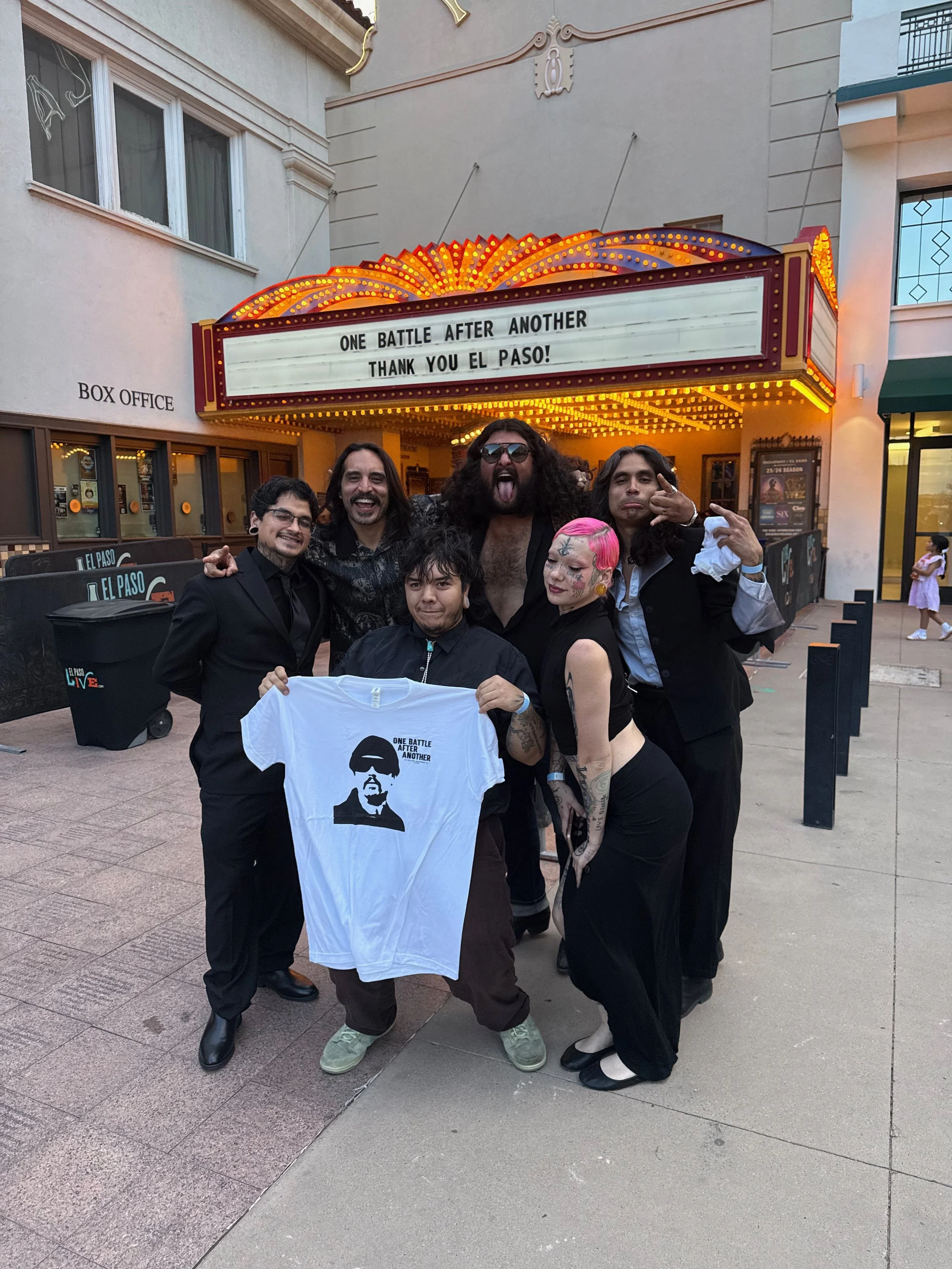
Images and stills courtesy of Gilberto, Luis, Eli, Julian, and One Battle After Another.
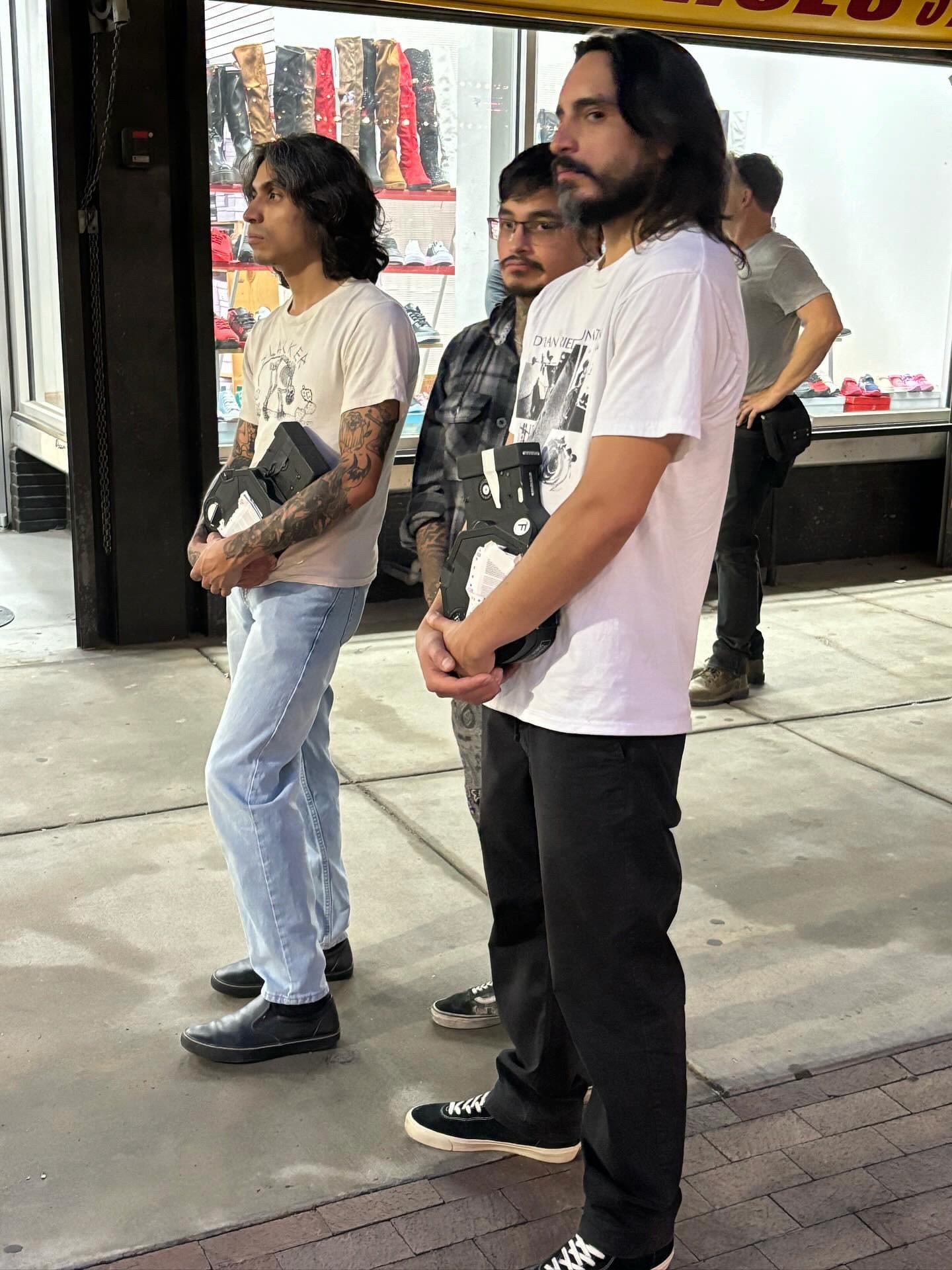
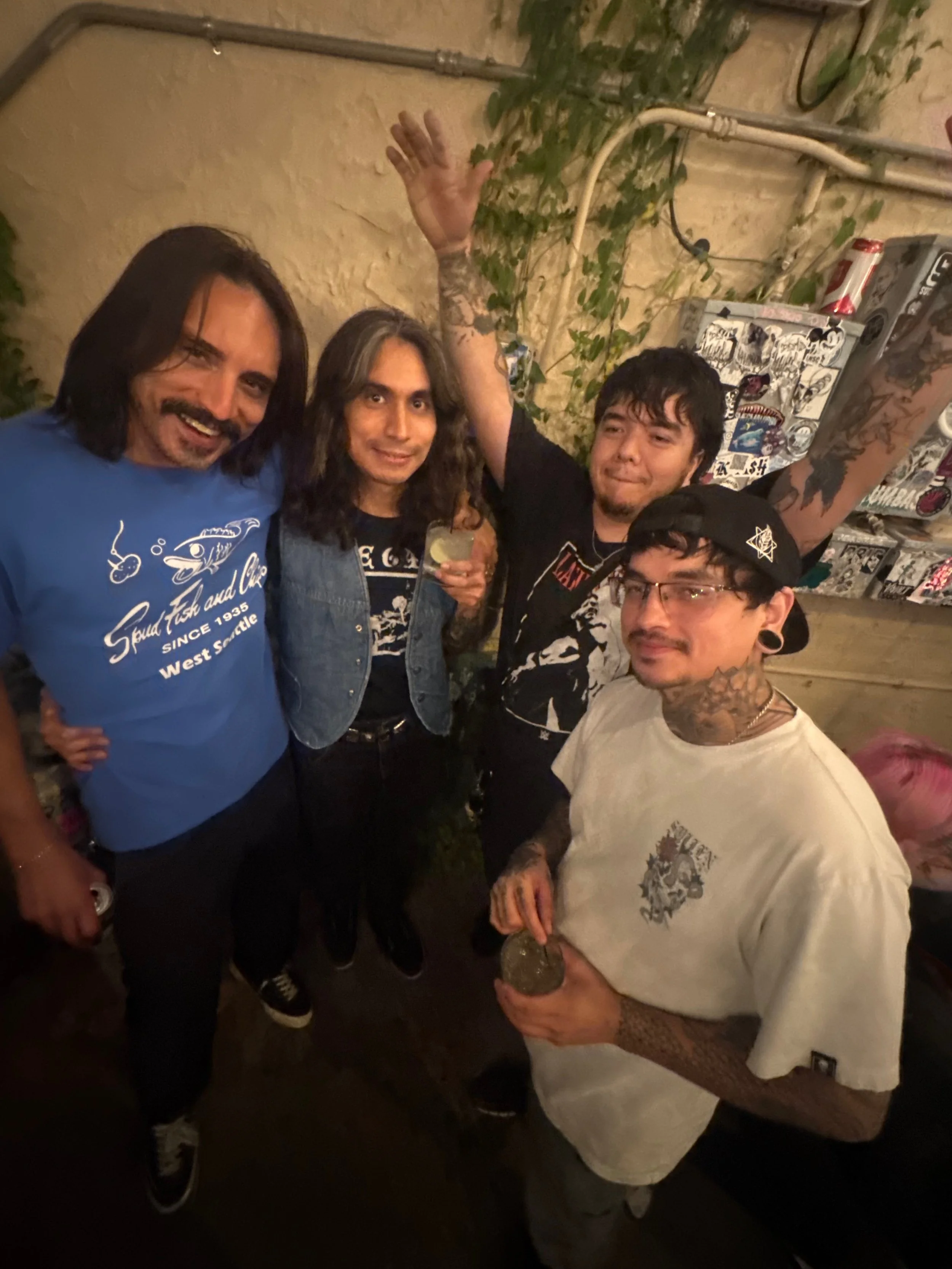
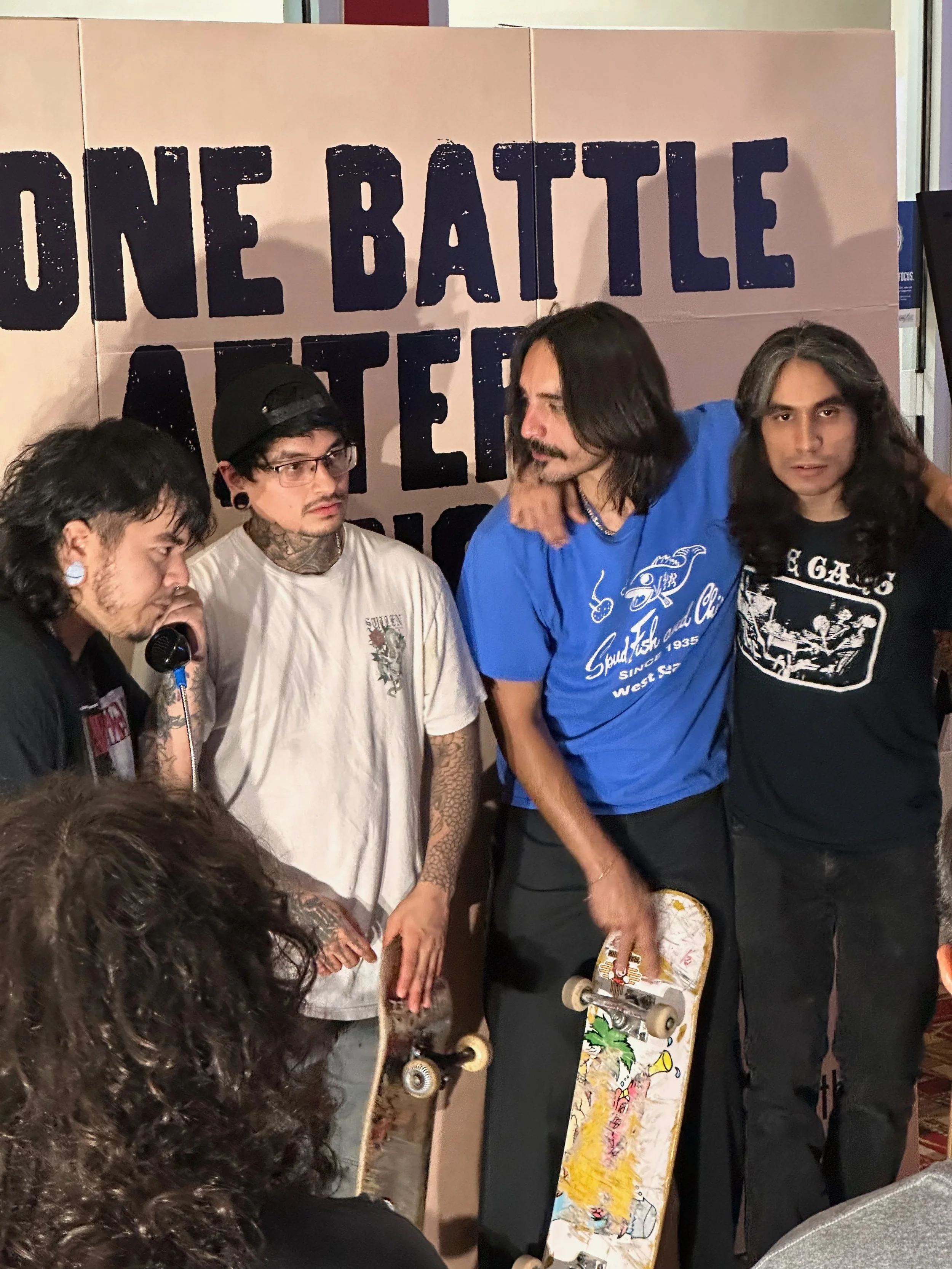
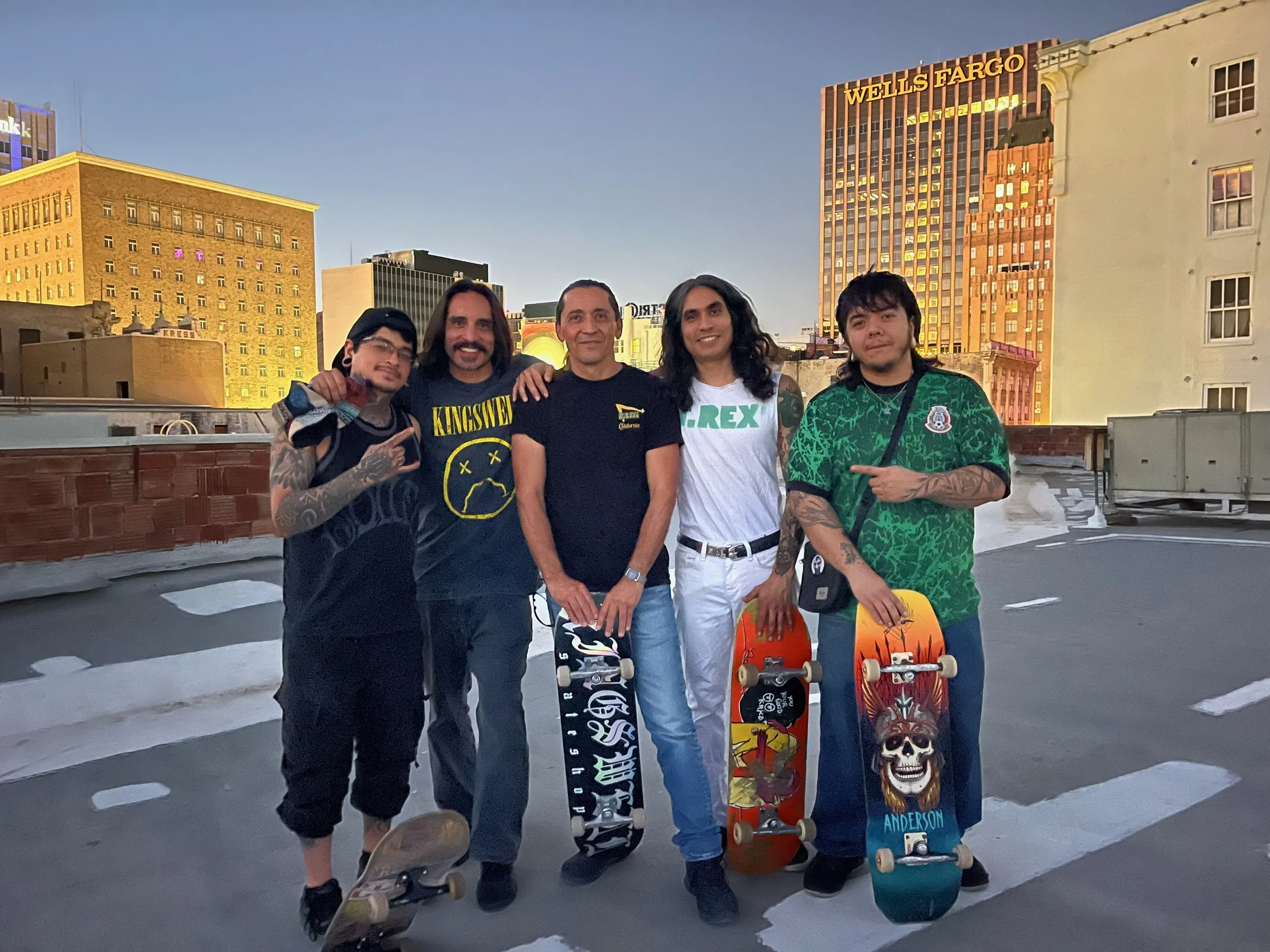
Luis Trejo, Eli Sambrano, Julian Corral, and Gilberto Martinez Jr. are movie stars. They’re also the absolute homies.
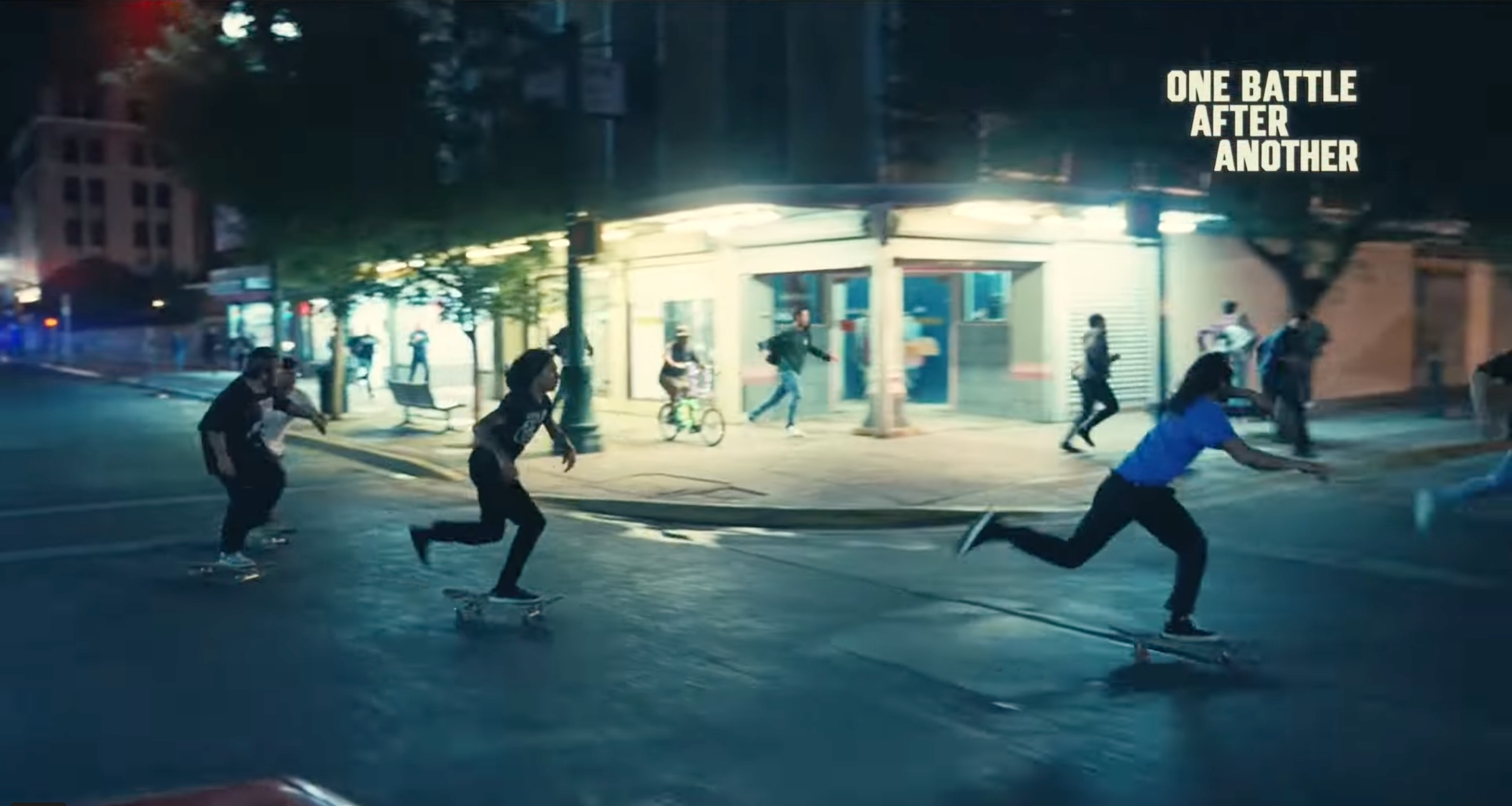
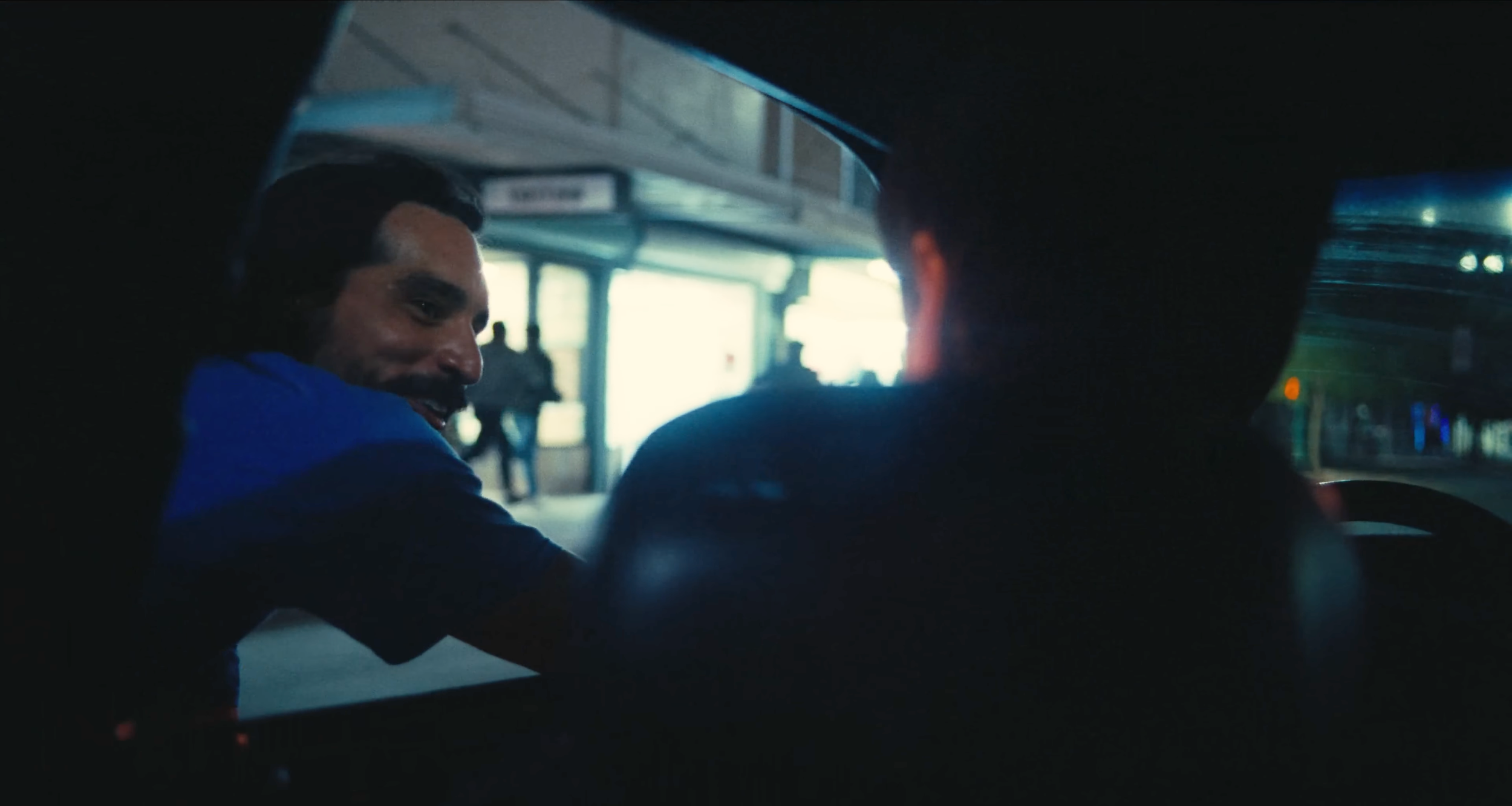
If you saw Paul Thomas Anderson’s recent all-timer, One Battle After Another, then you remember them. They show up, skitch a car with Benicio Del Toro at the wheel, do a stunt-heavy roof scene, drop a few memorable one-liners throughout, and leave a lasting impression. But, how’d four skaters deeply passionate about their El Paso home end up in one of the biggest movies in recent memory? Let’s find out, and more:
So then, how do four El Paso skate legends show up in a Paul Thomas Anderson movie?
Gilberto Martinez: So we have a good friend, Mark Martinez, who's been like a... he's owned like maybe two shops in town and he's like four years older than us and he's also a cinematographer. He’s done full-length films and he is plugged into the film industry that we have here and he was, like, "Hey, a movie’s casting skateboarders, you should show up." They didn't tell us any details or anything like that. He hit up me and Luis, right? How'd you get hit up?
Luis Trejo: They did an amount of scouting prior to everything. So they were like kind of hitting up the spots and checking out locations, and one of my bartender friends told me that they were looking for skaters. And yeah, I ended up messaging Cassandra (Kulukundis, one of Paul Thomas Anderson’s casting directors), and she was the one who got us all together.
Gilberto: Yeah, it was Cassandra who brought us in.
Eli Sambrano: Right, we met at this spot and she didn't really give us anything. She's like, "These are your lines, skate around me," and she filmed it all on an iPhone, just on the quick. She showed it to PTA, and he was like, "These are our guys."
Gilberto: That's the stamp of approval.
How much time did you guys spend on set then? Because it seems like tons were filmed in El Paso, like a huge majority of the film.
Gilberto: It was 11 days.
Luis: Yeah, and they added to it because we only had four initially.
Eli: Paul kept adding to it, and he was just improvising. He's such a cool person, dude, and like he's such an open-minded character. It makes you feel so welcome. I think that's why he gets the best out of his actors. He's poetic the way he gets his footage, pulling out scenes and being like, "Give me lens this, this, that," and you're like, "Damn, dude." You see it coming to life and it kind of freaks you out how good it is. It's just unreal, I don't know.
Gil, you were saying earlier that Sensei (Benicio Del Toro) gave you guys all your nicknames basically? Or, sorry, all your character names?
Gilberto: Yeah, it started with you, right? (Pointing towards Eli)
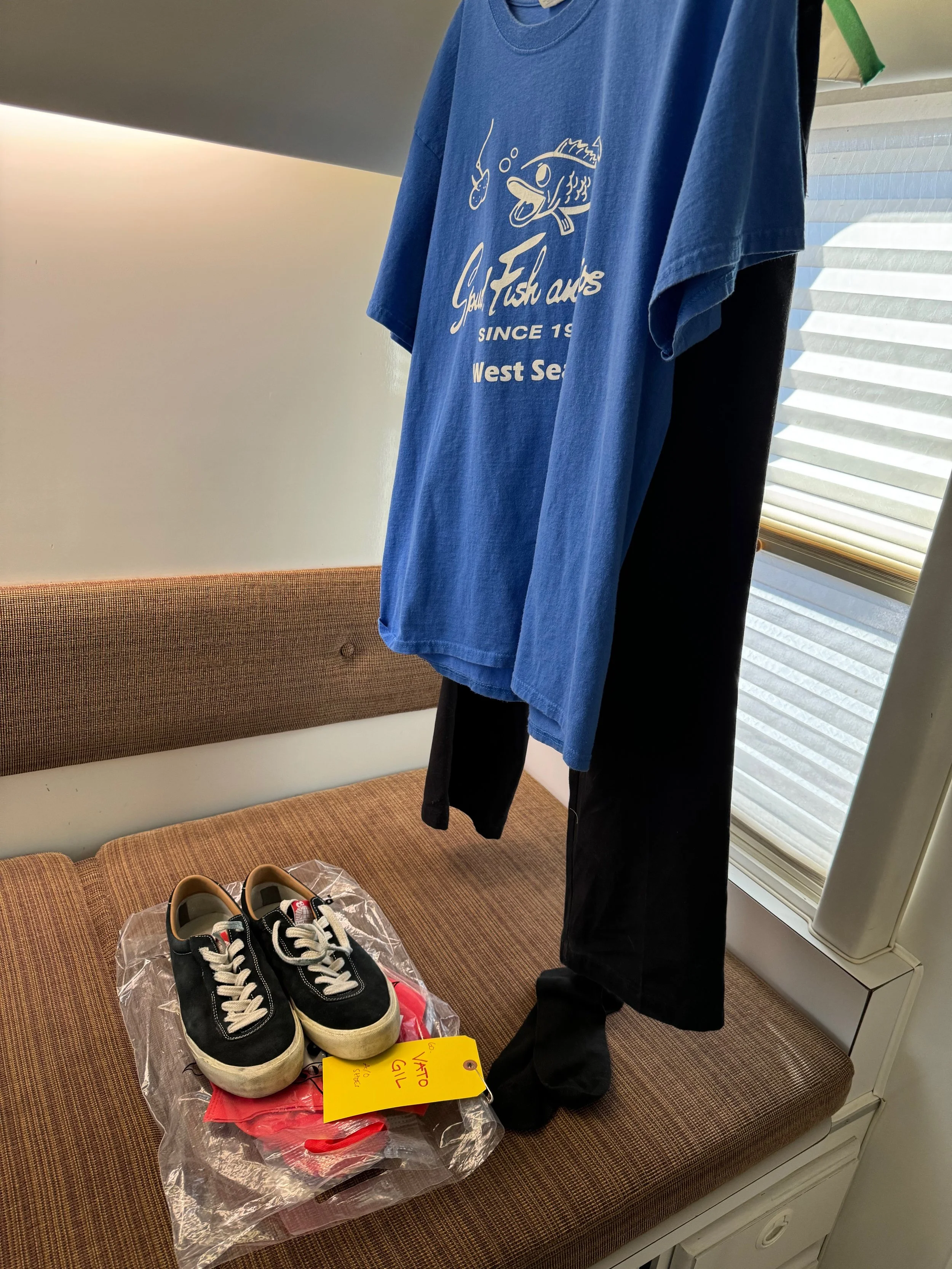
Eli: Yeah, from the get-go. We showed up the first day after we had signed everything and they were like, "Okay, we're going to go to the location where we're going to be filming." It was on top of the shops downtown. And from there, I remembered he said, "Yeah, Latino Heat!” Because he saw the shirt I was wearing, my Eddie Guerrero shirt.
I was going to say your Eddie Guerrero shirt was insane. So that was from your own personal costume department?
Eli: Oh, for sure. I got that shirt at Goodwill. Eddie Guerrero's from here. So, it was really cool just to see him recognize it.
Gilberto: Yeah, I think for mine, he just looked at me, and he was just like he's BG. He looked at me and locked it in. He wanted to call me that. And I was like, "Okay, I'm fucking down, dude."
And what’s the aftermath of it all been like?
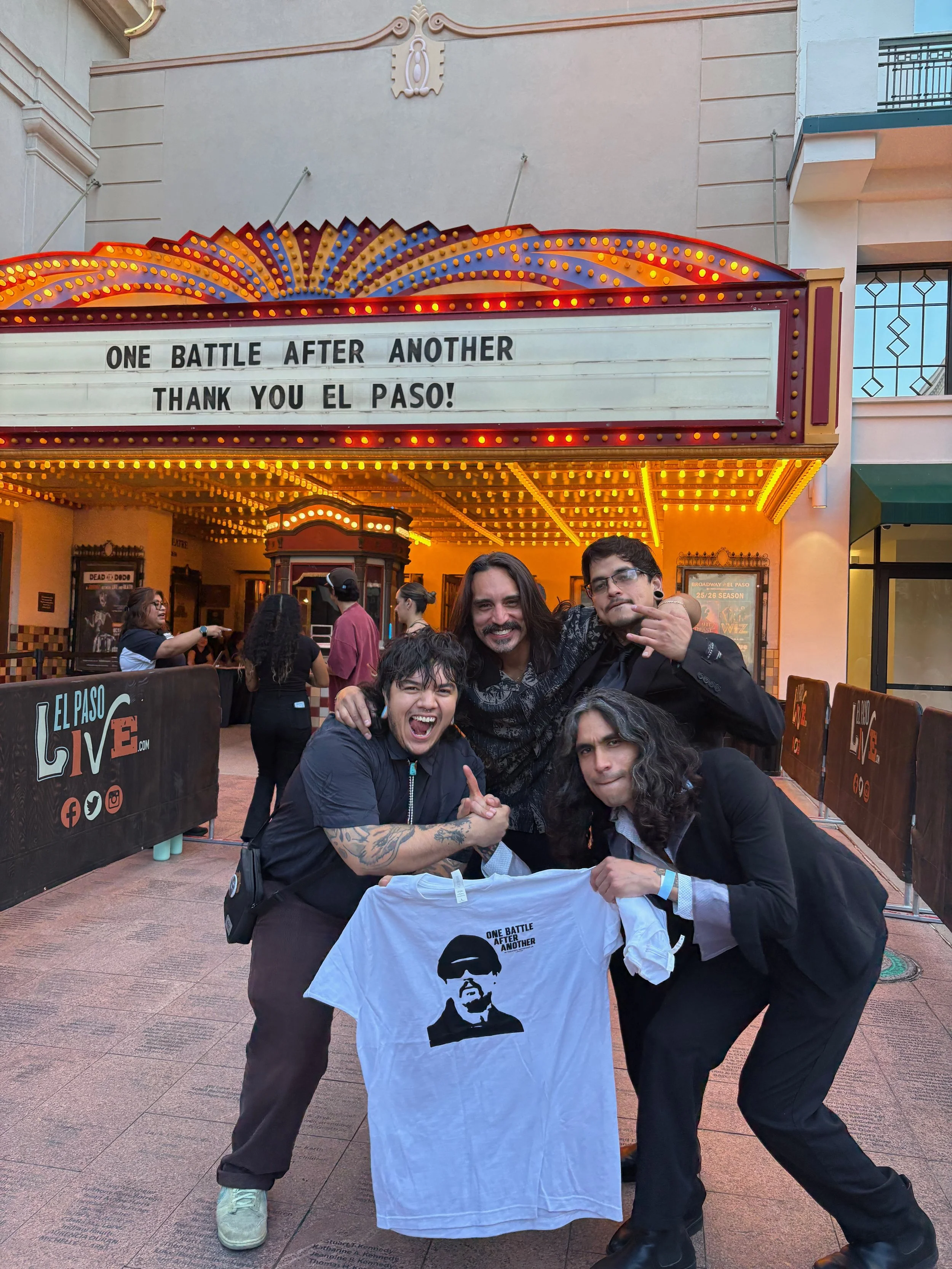
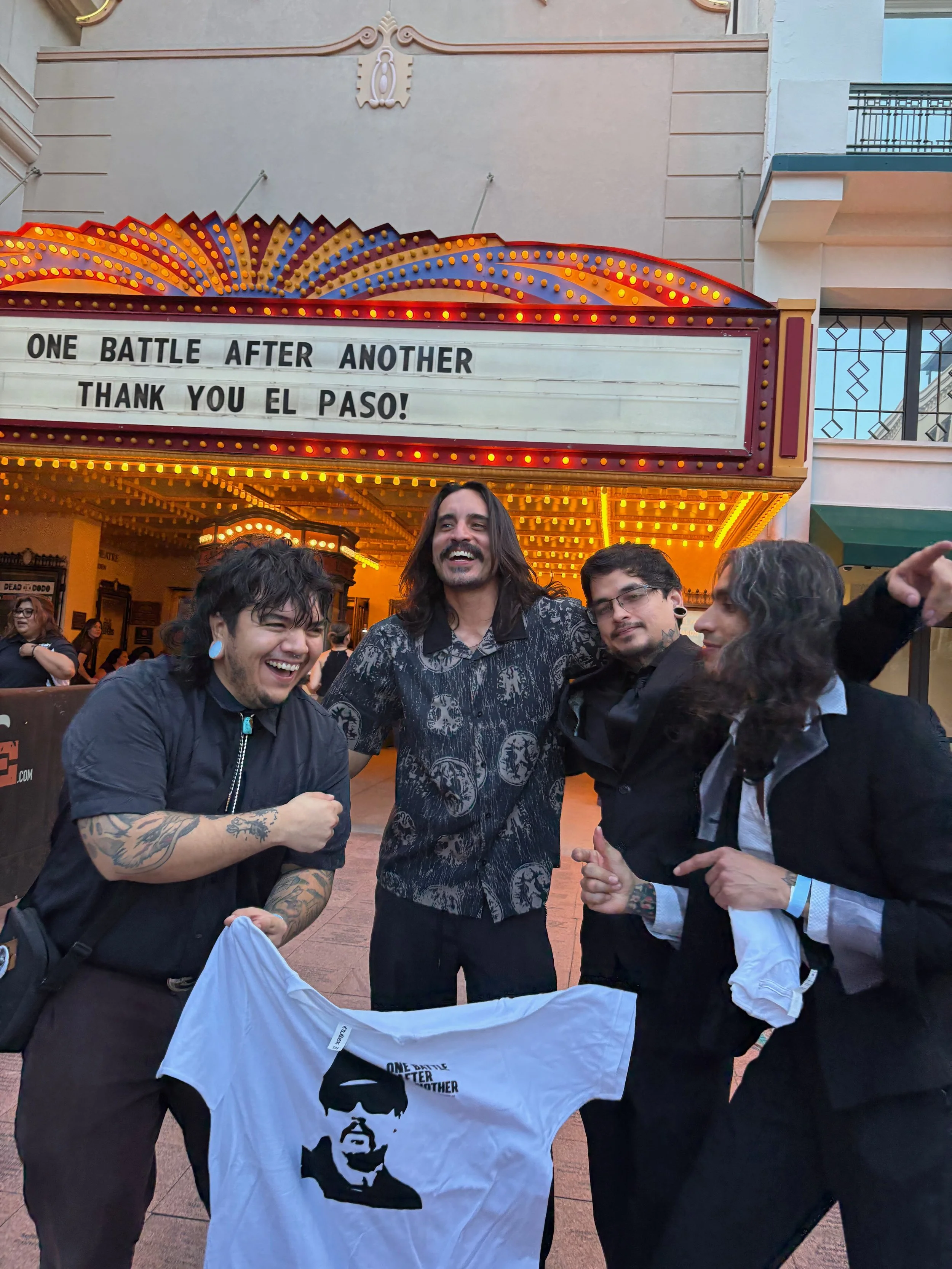
Gilberto: It doesn’t seem real. Once the day was coming closer and closer, I was like, "Man, it's not hitting. It's not going to hit me until we're actually there." People were like, "Oh, you're a rock star! You're a star, you're a star, you're Hollywood," and then I was like, "I don't feel like one, you know?” But the first premiere day in El Paso really opened my eyes.
Eli: Yeah, that day they had a reception before, and it was like one of those where there were some of the people from Warner Bros. that were on set coming through, and there were these moments of, like, "Hey, let me introduce you to someone.” And then one thing after another, we just kept getting introduced to these producers that are out in Las Cruces, and they're going to hire us for a new movie and so on. These opportunities started happening really fast for us, which is great, man. El Paso is growing in that sense, where there's more art, more music, and more film, and it just felt really cool to have that in El Paso and not have to be in a big city. Those opportunities come, and it's just, like, this is surreal.
Luis: It's overwhelming, but it's euphoric. Even like melancholic too. It's a bittersweet thing because you want it to keep going, but it's up to you. They laid the cards for you, but now you need to keep going.
Right, it's like, what do you do with that?
Gilberto: Exactly, exactly. But it's amazing. I feel blessed in the best of ways, like the stars aligned somewhere or other and we ended up here, and it was for a reason. I think it's because we're just like, I don't know, we're real. And like to think Paul's real, and I think that's like the connection where it's a mutual respect as an artist to an artist. That's what I feel like he saw in us, and we just felt accepted, and it was so welcoming with Leo, Benicio, Cassandra, and Paul. They're all just friends. I’m just thankful.
Eli: Yeah, it felt cool to be a part of it too, because they were all like, “So you’re skateboarders, right?” And then this guy who filmed the making of the film documentary was wearing a Thrasher hat. He's from like North Hollywood, and so we're like, "Wait, we just met a skater who's also one of the filmers.” The whole set was a lot of skate shop people.
We're just like, "Damn, we're infiltrating the film industry.” And then even Wally was there too, this other dude who’s from El Paso and he's done some movies and he's like an old-school skater. So, it was cool to see skateboarders kind of running this shit.
Gilberto: Yeah, then Greg Hunt sent us a message or like a comment on a post from set and I was like, "Oh!” It's been, yeah, it's been rad. We’re very blessed, like God bless that we got this opportunity, it's just it's crazy how it kind of worked out in El Paso too.
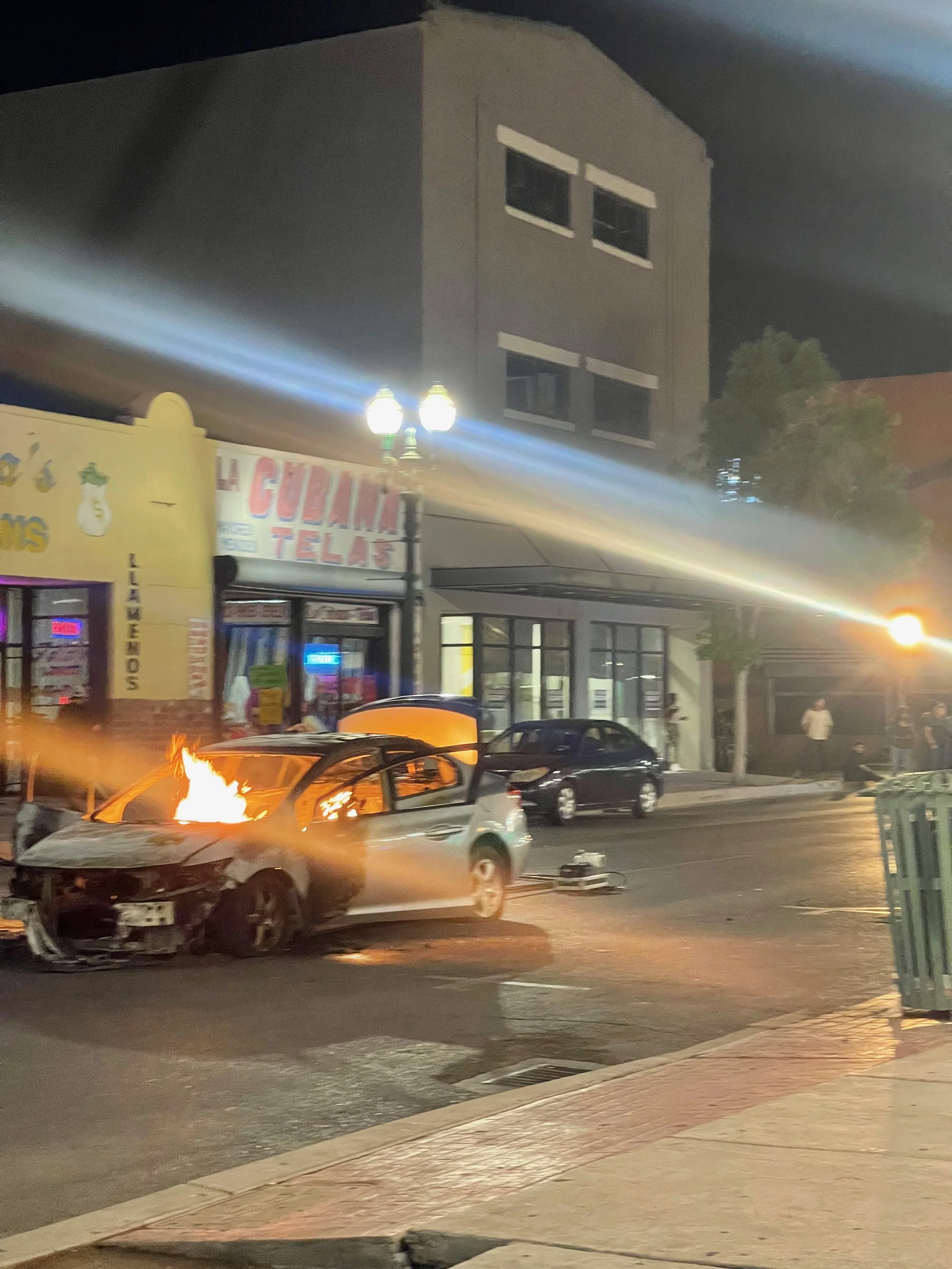
I mean, El Paso's got some amazing recent film appearances too, No Country for Old Men comes to mind mostly, and then lots of TV. It’s rad to see such a different town and city that’s also such a cool place to be put on the screen and shown off.
GIlberto: Yeah dude, honestly. I told Paul one time at night, we're like on the rooftop, and they're setting up all the lights for a scene, "Yo Paul, you're like making this place look really beautiful.” And he stopped me, and he's like, "No. It was already beautiful." Then, he's like, "We just needed the camera."
Eli: Yeah, that’s what I think people in El Paso like about it, though. Because it looks like El Paso. It doesn't look like a lot of other places, and before this people a lot of people would hateit because it's like that's not El Paso, you know? But I feel like he really captured the culture.
Any good on-set stories?
Gilberto: We probably all got one, you want to start? We all probably got a couple.
Eli: Dude, I saw Leonardo DiCaprio practicing Muay Thai in the hallway. He was like (imitates Muay Thai stance) doing the high knee and everything. It doesn't sound real, but I walked up to him and I was like, "Dang, that's a pretty deadly high knee." And he was like, "I did Muay Thai for ten years." That was really funny.
Luis: There are two where I kind of tripped out. One I think about a lot is I was with Le,o and he was throwing lines at me and I was throwing them back at him, and he’d be like, "Say this," and, "No, no, no memorize this instead.” And I was just throwing lines at him one-on-one and I just thought, "Damn, dude. We're really doing this thing." That stuck with me. Then also we were like in this room just having a conversation with him about skating…
Gilberto: Oh, yeah, what did I say? I was, like, "Did you ever skate?" and he's said, "No, but my brother did." And then he's said, "He skated with this real famous skater," and we were like, "Tony Hawk?" But then he said, “Christian Hosoi!” and we’re like, “Oh my god, Christian Hosoi!"
Luis: You would try one thing and then Paul would say, "Just try this.” They were all bouncing ideas back and forth and I’ve never seen a director or anybody be open to ideas like that. Usually, they’re so fixated on how they want something to be interpreted or portrayed. But it's the opposite of that with Leo and Benicio and Paul. They would all huddle, talk about how it should work, and then Paul would be like, "What do you guys like?" He liked being involved with the whole process, but it’s different than anything I've seen behind the scenes. It’s a serious degree of creativity in one space.
What for sure tripped me out the most, was I was just seeing magic. I believe in magic and I think it's that. And seeing it through those eyes, portrayed mentally, and so emotionally, that's why I think it hit so many people who were watching this film.
Eli: Yeah, it’s funny, everyone at one point went with Bob (Leonardo DiCaprio), they went to the roof. But I went with Benicio, and I actually ended up spending a good amount of time with him. And I remember he told me he was filming prior to getting to El Paso, I’m pretty sure it was The Phoenician Scheme, and he hadn't even read the script. That's how dedicated they are to this, you know? They haven't seen their family in God knows how lon,g and he's just like on to the next set.
And he's such a like cool guy too. I guess it got around that we played music and someone heard about my band and then he asked me, he was like, "Oh, so you play music?" And I was like, "Uh, yeah." Then he said, "Well, what kind of music do you play?" And I was like, "Uh… It's kind of like alternative, I'd say." He says, "Oh, like The Mars Volta?" and I was like, "Oh shit, you know The Mars Volta? You know Cedric and Omar?" Real recognizes real.
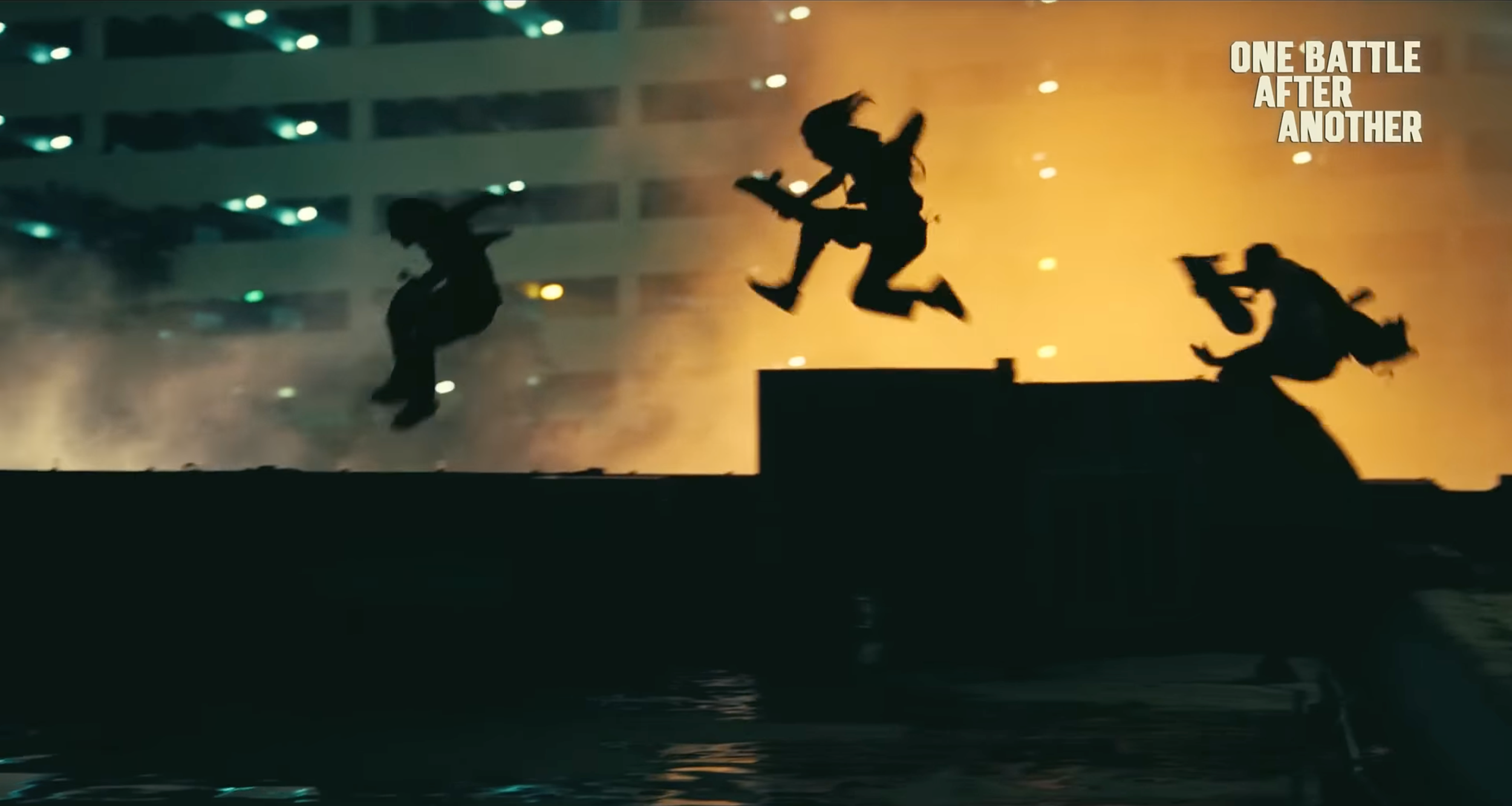
Gilberto: Remember too, when we're on the rooftop? When we're running and then we jump over the ladder and we escape? Paul had us do it like five different times but like chanting different things. Like, one we did it with tequila, like, "Tequila! Duh-nuh, duh-nuh-nuh-nuh-nuh!” singing it out loud. One we did it with the Rocky theme, then The Final Countdown.
I’m curious too what all of your takeaways from the film itself were? It’s obviously quite politically charged, but I’m interested if those sorts of themes were present or at least palpable on set compared to when you’re seeing the final product on the screen.
Gilberto: There's something really deep there, where I almost feel like Bob is the underdog, and as skateboarders, we are the underdog, right? I feel like it's us having to always prove ourselves. And Sensei is kind of like the voice of the spirit. It’s two different energies, and it's almost like Sensei and Bob are yin and yang. And if you notice in the movie, Sensei never matches Bob's energy. They're always separate.
And, like, I knew about Thomas Pynchon's hippie movement when I lived in LA awhile back, and I got stuck on Woodstock and like that whole era and all that music that was happening then and I think the movie’s really about that hippie counterculture and that whole movement and how, in a sense, it's like we've never won. It's always going. But, at the end of the day you can still have family, community, and peace of mind. As messed up as everything is politically, there's still warmth and togetherness, like what El Paso has.
Like El Paso, a lot of crazy shit has happened here. When I was 15, I got robbed at gunpoint in Juarez. But you still go over there, and the people are so loving and caring, and there's just so much community. I think that's what shines throughout the film for me. There are a lot of messages, and I think the more I watch it the more I think about it. Like when Bob's says, "I got lazy, man.” I'm like, "Damn, dude. You're right.” If you don't get your shit together, it sneaks up on you. Even just, like, ocean waves. When I’m stressing out, I use those things. There are definitely a lot of metaphors that I'm applying to my life, and with everyone from the stunt guys to Paul directing, I think I just took away how important it is be true to yourself and who you are.
Eli: And you know Bob and his wife and the kid, they have this whole situation where she has to leave and then Willa grows up without a mom and, you know, those are real-world issues. It’s so real, you know? I think that's what also resonates with people.
Luis: Every single time I've seen the movie I see it through a different perspective and different eyes. But even then, if you're a musician or a politician, like anything else, there's bad and good. There will always be a clash of mental or physical violence, and the film’s such a good dialogue where you’re in the fantasy of it all while also understanding the reality.
Also, we're always going to win. Even if we get kicked down, dude, we’re always fighting, and that hope is what the film gave me. Hope for the characters and myself. And I've never seen something with this magnitude of characters that are all so intensely different.
Gilberto: Yeah, and it’s funny, but I had Paul sign this Boogie Nights DVD, and he wrote, "For Gil, the real Sensei." And when I read that, I was like, “Huh, the real Sensei.” But, like, in a way, we all are the real Sensei. Because I look at Paul as the Sensei, I look at Sensei as the Sensei, and I look at these guys as the Sensei. We’re all just human beings going through this life, and we can help each other out unconditionally along the way, like how Sensei helps out Bob. I really like that part where Bob's like, "Man, I'm sorry, man. I brought all this shit to your door.” Because Sensei’s like, "Tranquilo Bobby, we’ve been under siege for years. It's not you." That’s like, okay, it's not just me. It’s all of us. it's a big karma that we're all going through, and if we could maybe create less suffering we’d all be better people.
Julian Corral: What I took away from it is you just can't take anything for granted. Like, even being cast on my birthday, to get the part I woke up early and was dedicated. Like, another guy, one of the people from this tattoo shop, he got to be an extra, and he didn't care about it, you know? He went to the bar before and he wasn't serious about it. And that's what separates the people who want to be a part of something and actually see the bigger picture.
Did you guys ever get tempted seeing all those nice film cameras, think of asking about stacking a clip with whatever leftover film?
Gilberto: Well, the guy filming the making of with the Thrasher har actually had me do a 360 flip. And then we got a photo with Paul with it. Like, holding the reel!
What a magical time. I mean, seriously, what fun.
Gilberto: Yeah, I'd do that shit again for sure.