A Skateboard-Shaped Lifeline for Vulnerable Girls in Times of War
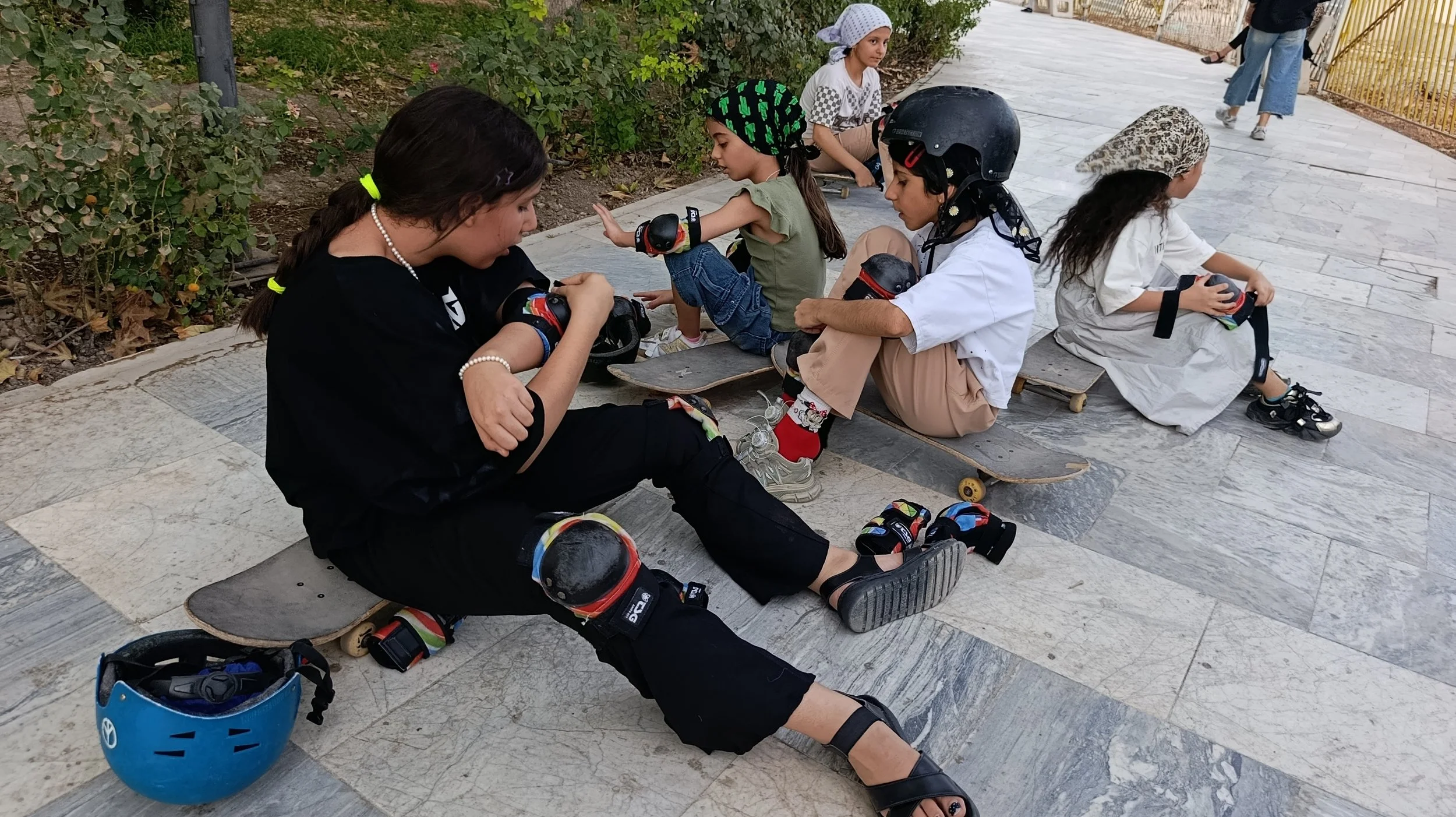
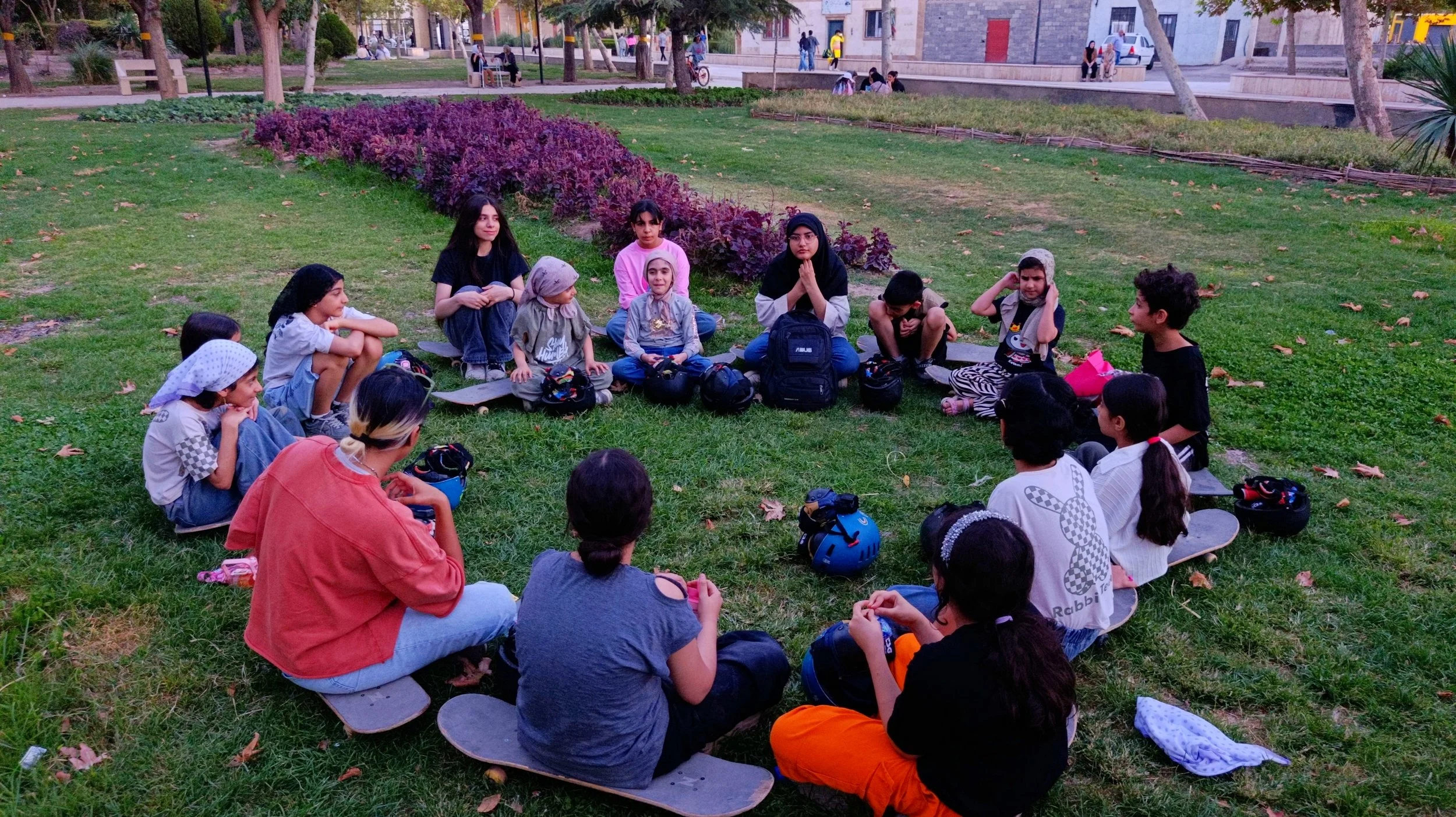
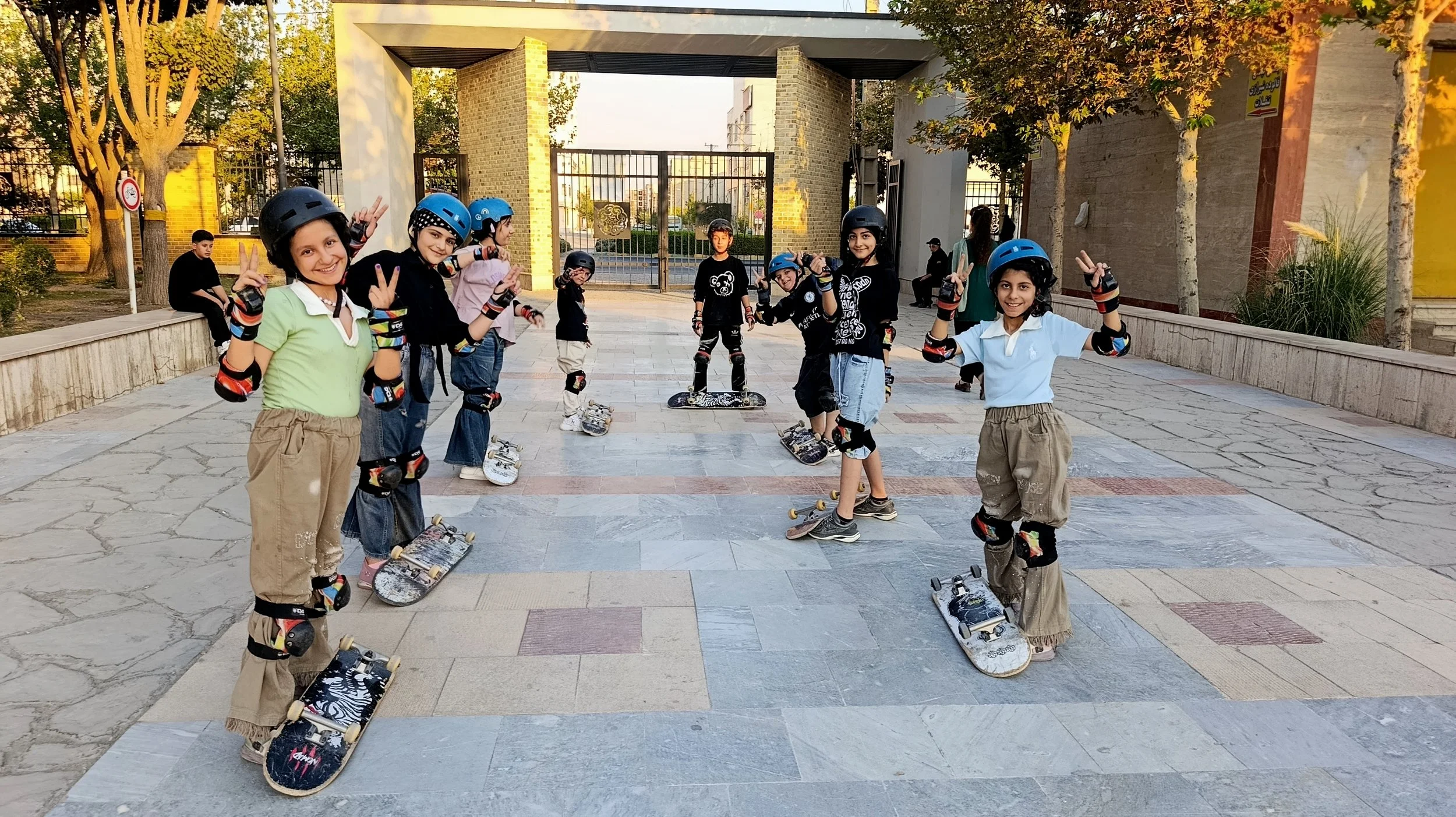
Images provided by Skate and Lead Tehran / Just Childhood.
Words By Bianca Roberts & Ciaran O’Mahony
“When the war started, I felt very scared and began to cry because of the loud sounds of missiles,” said Hayat*, a nine-year-old resident of the Shatila Refugee Camp in Southern Beirut.
Skateboarding is more than a trendy hobby for girls like Hayat, navigating the unpredictable yet persistent cycles of Israeli military strikes across Lebanon.
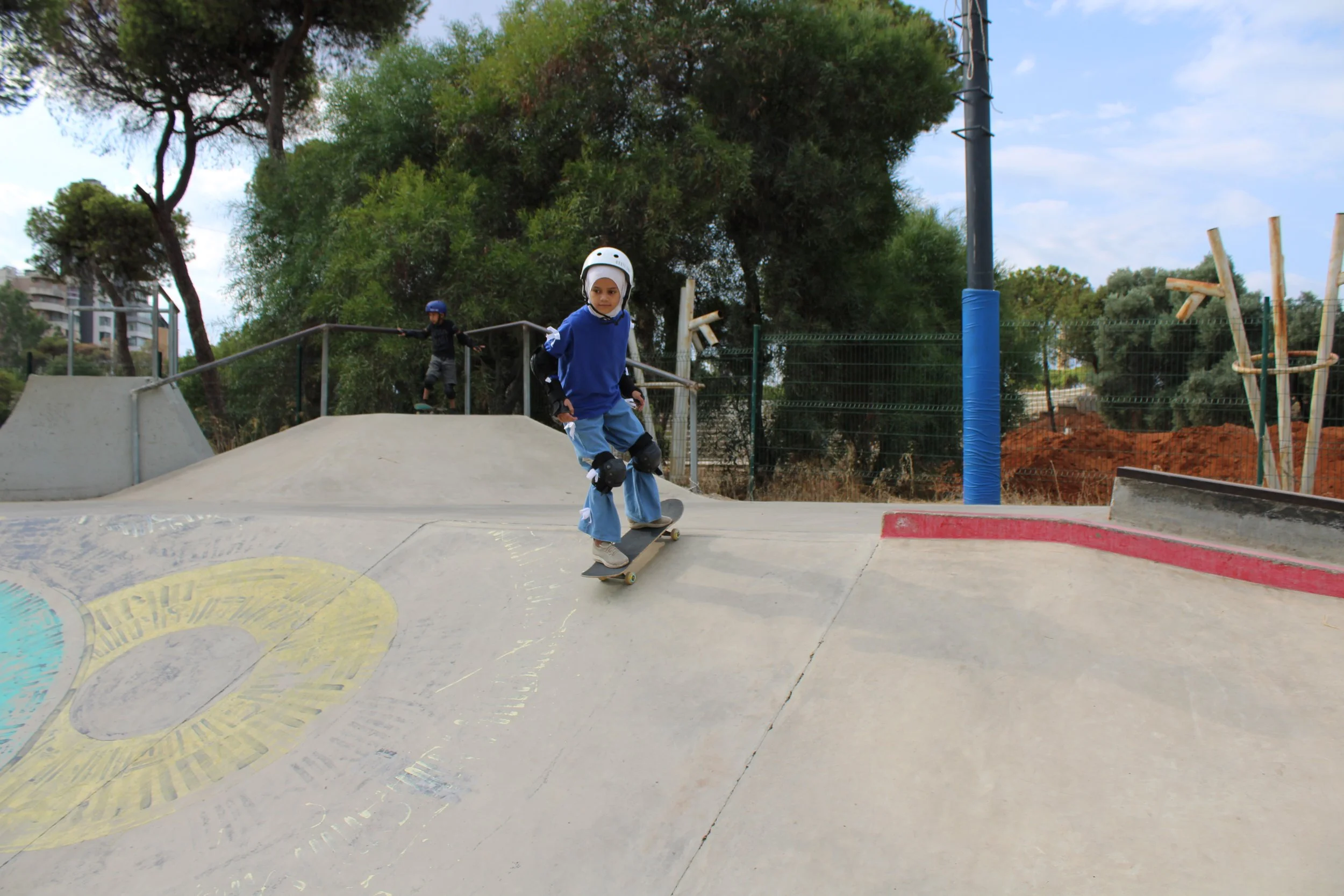
As she walks from her home to the neighbouring Sabra Centre, plants her two feet firmly on a board, and feels the lightness of the air around her as she zips up and down the skate ramps, Hayat embraces a moment of peace amongst the chaos.
“[It] help[s] me forget everything that is happening outside, even if for just a while,” she says.
Combining skateboarding with trauma-informed education and psychosocial support services, NGO-led programs are helping young refugees living in Lebanon and Iran process trauma, make friends and keep fit despite ongoing conflict.
![IMG_۲۰۲۶۰۹۲۶_۱۴۴۷۳۹[2].jpg](https://images.squarespace-cdn.com/content/v1/6398e5b4b3dd441ead33860a/1791395445900-6DW7IJCXS29BR7EBFMYL/IMG_%DB%B2%DB%B0%DB%B2%DB%B6%DB%B0%DB%B9%DB%B2%DB%B6_%DB%B1%DB%B4%DB%B4%DB%B7%DB%B3%DB%B9%5B2%5D.jpg)
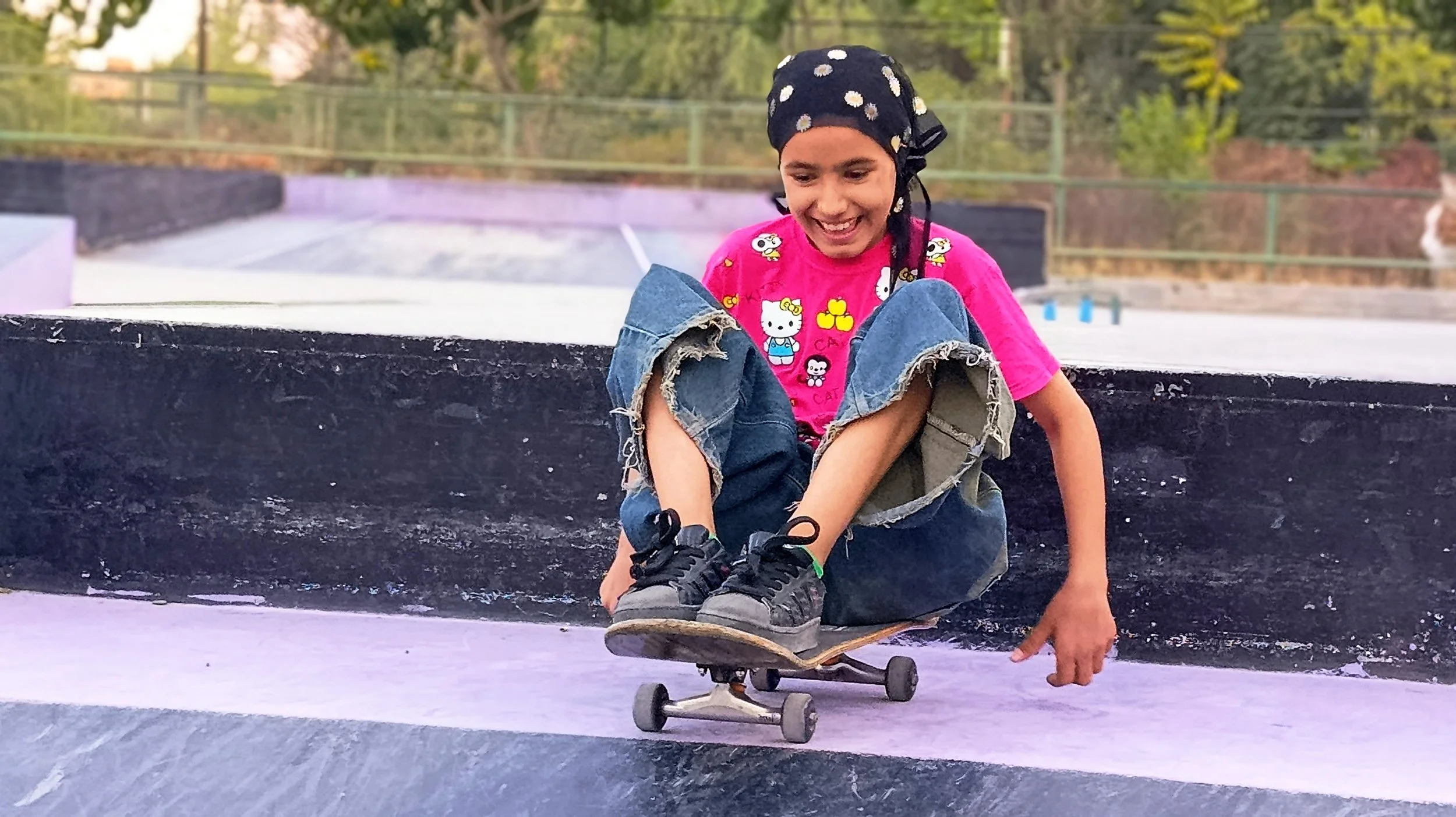
“Skateboarding is no longer just a sport for us. It has become a tool,” says Mahmoud Al Chanati, Sports Coordinator of Just Childhood, an NGO located in Beirut.
A Palestinian refugee who spent twenty five years in Beirut’s Burj Al Barajneh camp, Al Chanati has led the organisation’s skateboarding program since 2021, his tailored sports coaching part of a comprehensive wraparound programme of educational and social support services.
“Combin[ing] the physical and mental component”, according to Al Chanati, provides the children in their program with the tools necessary to persist despite ongoing adversity and geopolitical instability.
The program is currently operating across the Shatila, Burj al-Barajneh and Mar Elias refugee camps, supporting around one hundred and twenty children in partnership with international NGOs Kindernothilfe and Skateistan.
Half of them are of Palestinian origin, descendants of those exiled during the 1948 Nakba, in which over seven hundred and fifty thousand people were displaced from historic-Palestine after the founding of Israel.
Meanwhile, the other half of the cohort are Syrian children whose families fled to these camps after the onset of the 2011 Syrian Civil War.
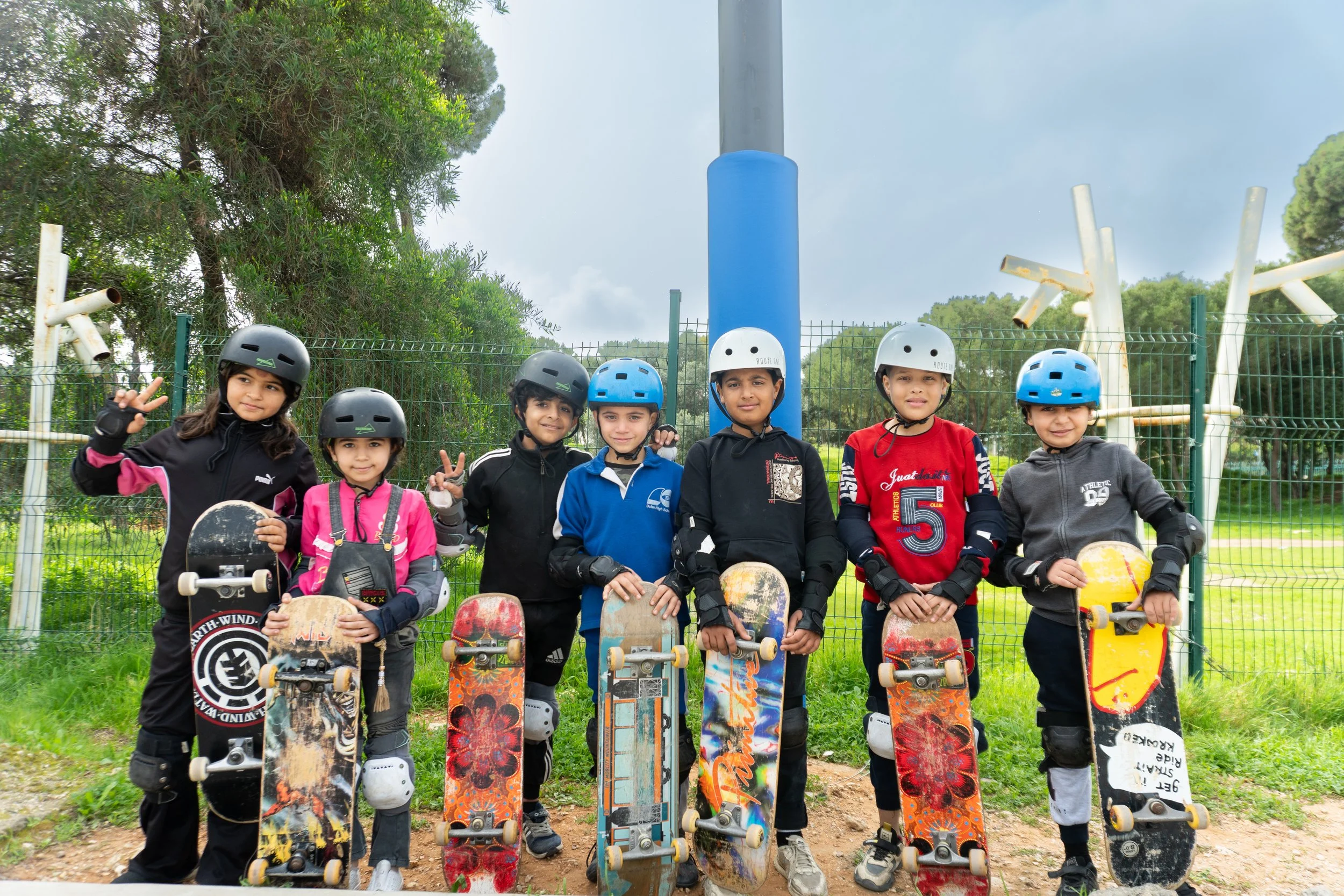
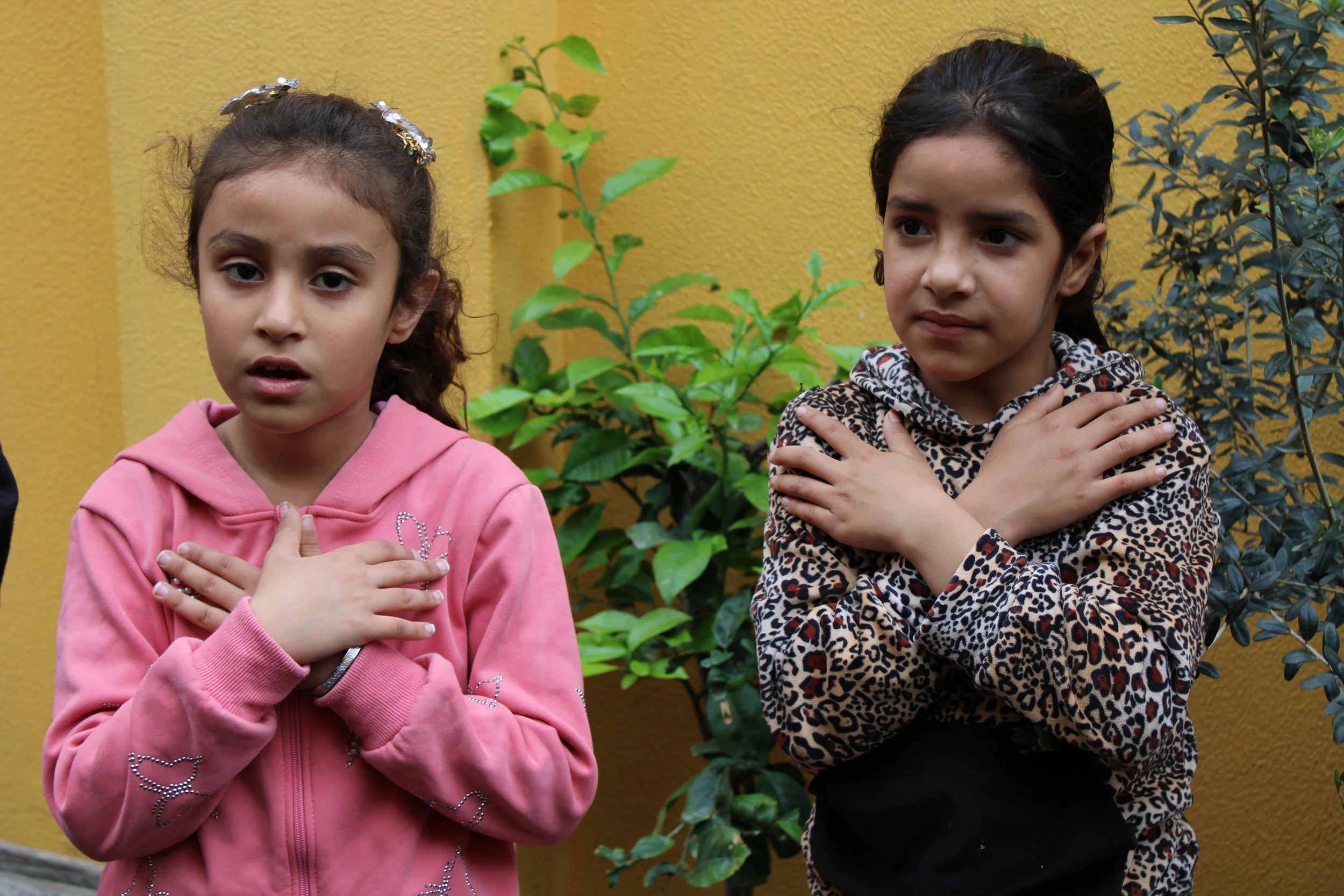
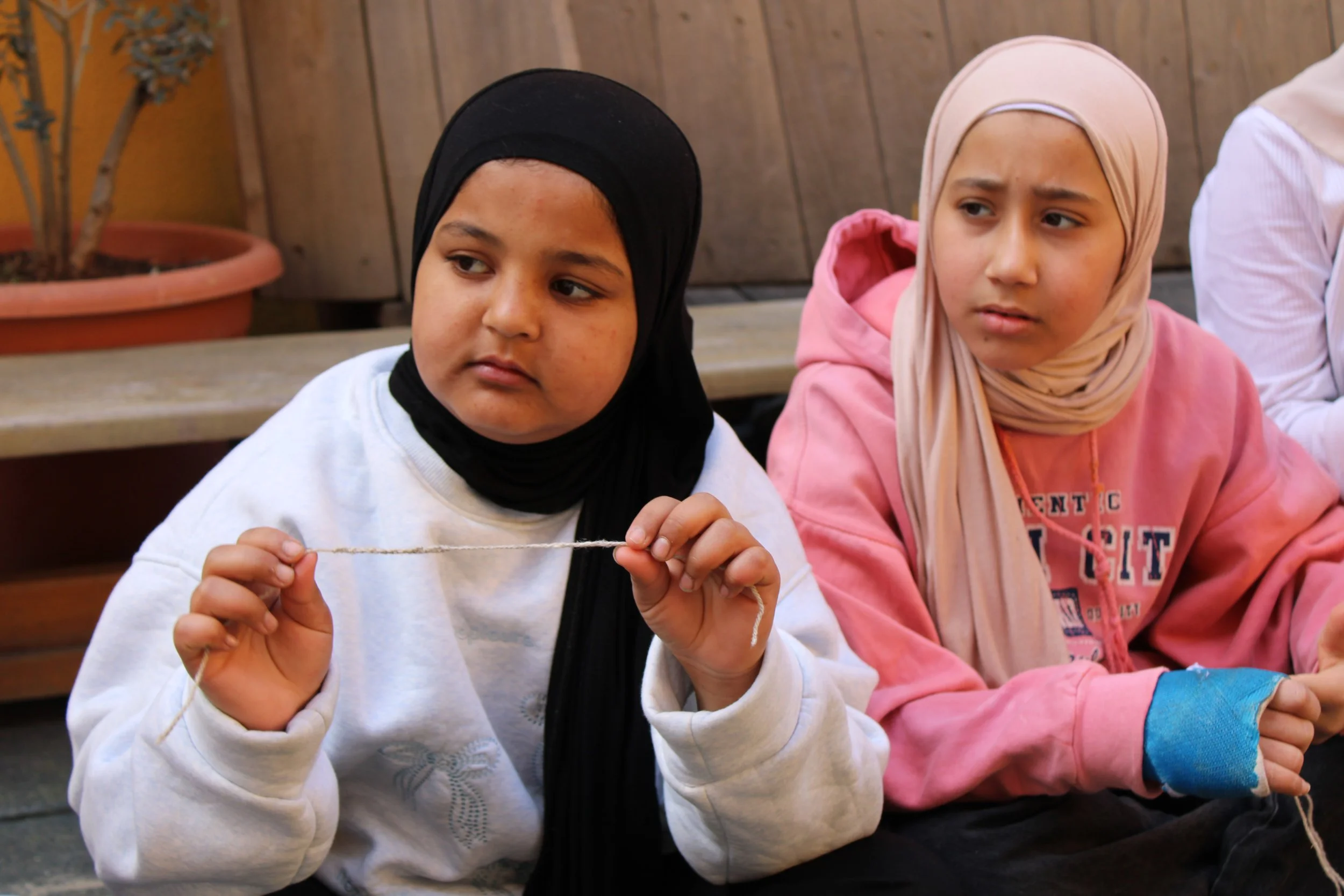
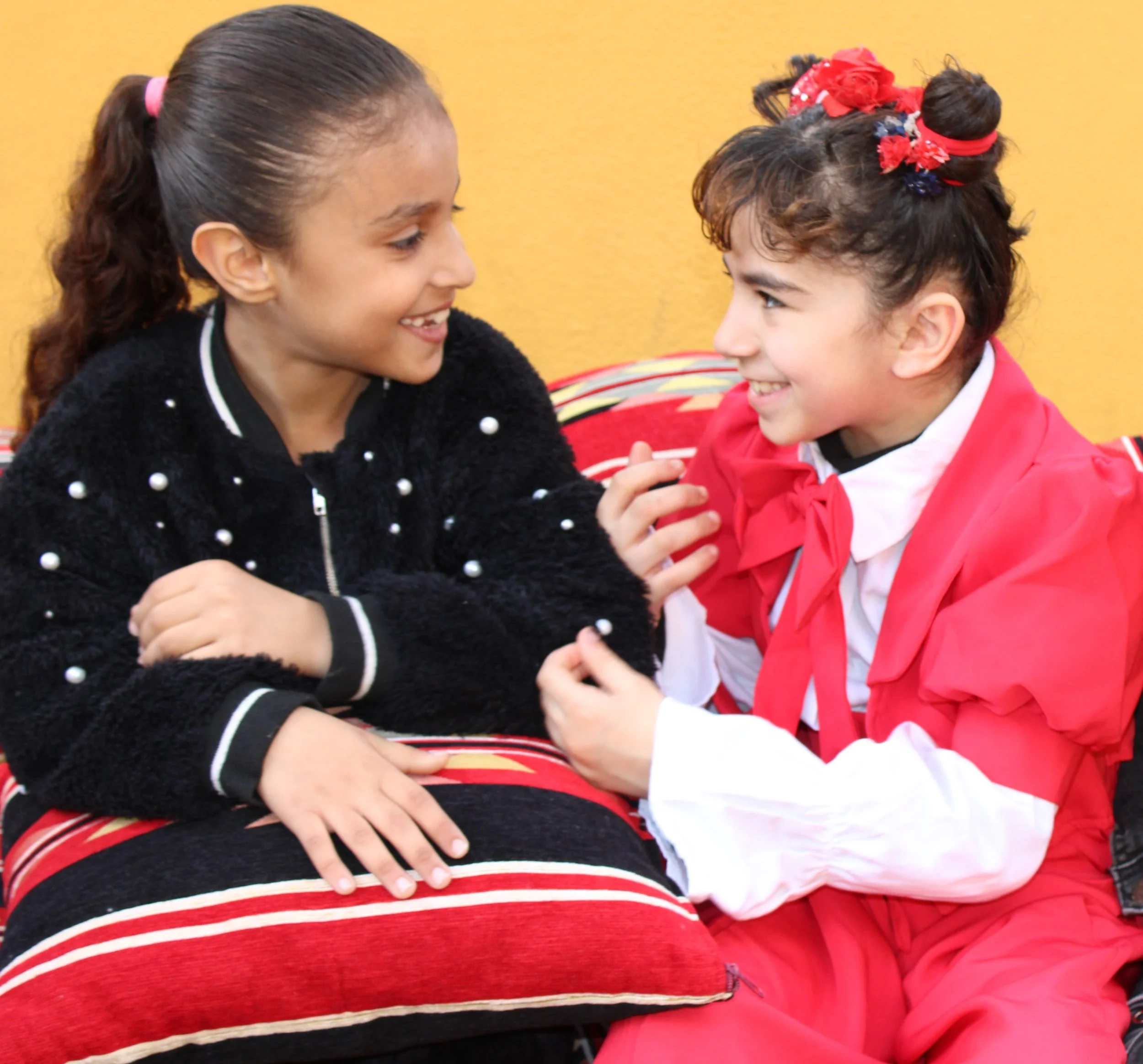
The clanging of skateboards against concrete and joyful claps and cheers of the children at play came to a halt in September 2024, when the effects of the war between Israel and Lebanese Shia Islamist group Hezbollah, swept across the country.
“The war started … all of us focused on surviving,” recounts Al Chanati.
“We cancelled the sessions … The skatepark was no longer a safe place because of bombing around the area.”
But Al Chanati and his team refused to give up supporting local children in crisis, loaning equipment to those who had been displaced, and creating mobile versions of the program, delivered directly to refugee shelters.
“One girl borrowed a skateboard after being displaced. She told me, ‘Coach Mahmoud, I'm skating here where I've been displaced. I feel happy. I feel peaceful’,” Al Chanati says.
“We took our boards, our gear and our helmets and started delivering skateboarding interventions in.”
“They were waiting for us [with excitement] every week… They still remembered how to balance on a skateboard and push themselves along.”
Familiar faces aside, Al Chanati and his team found themselves working with many new families from Southern Lebanon who, living in areas most heavily targeted by airstrikes, fled and sought refuge closer to the capital.
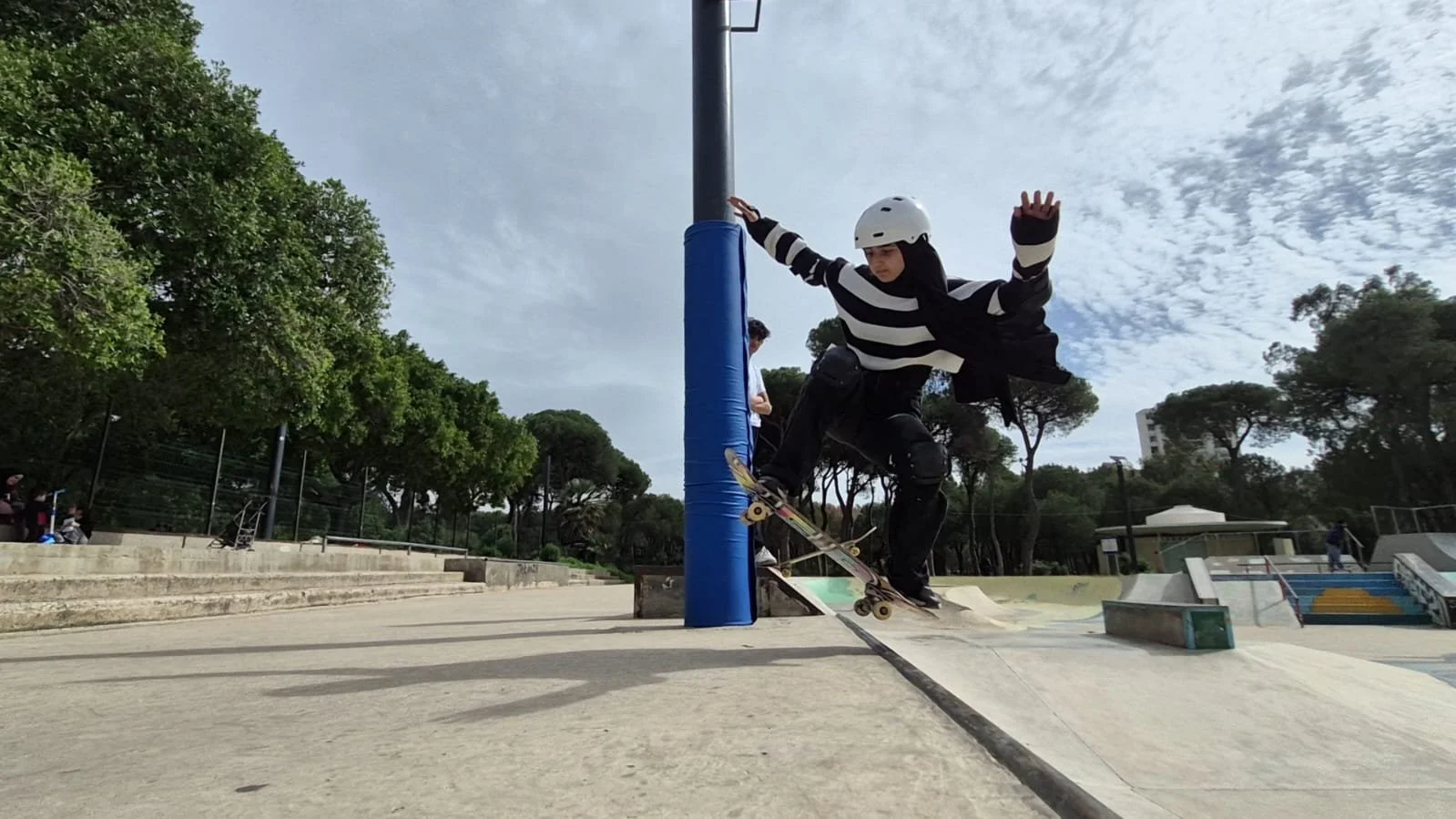
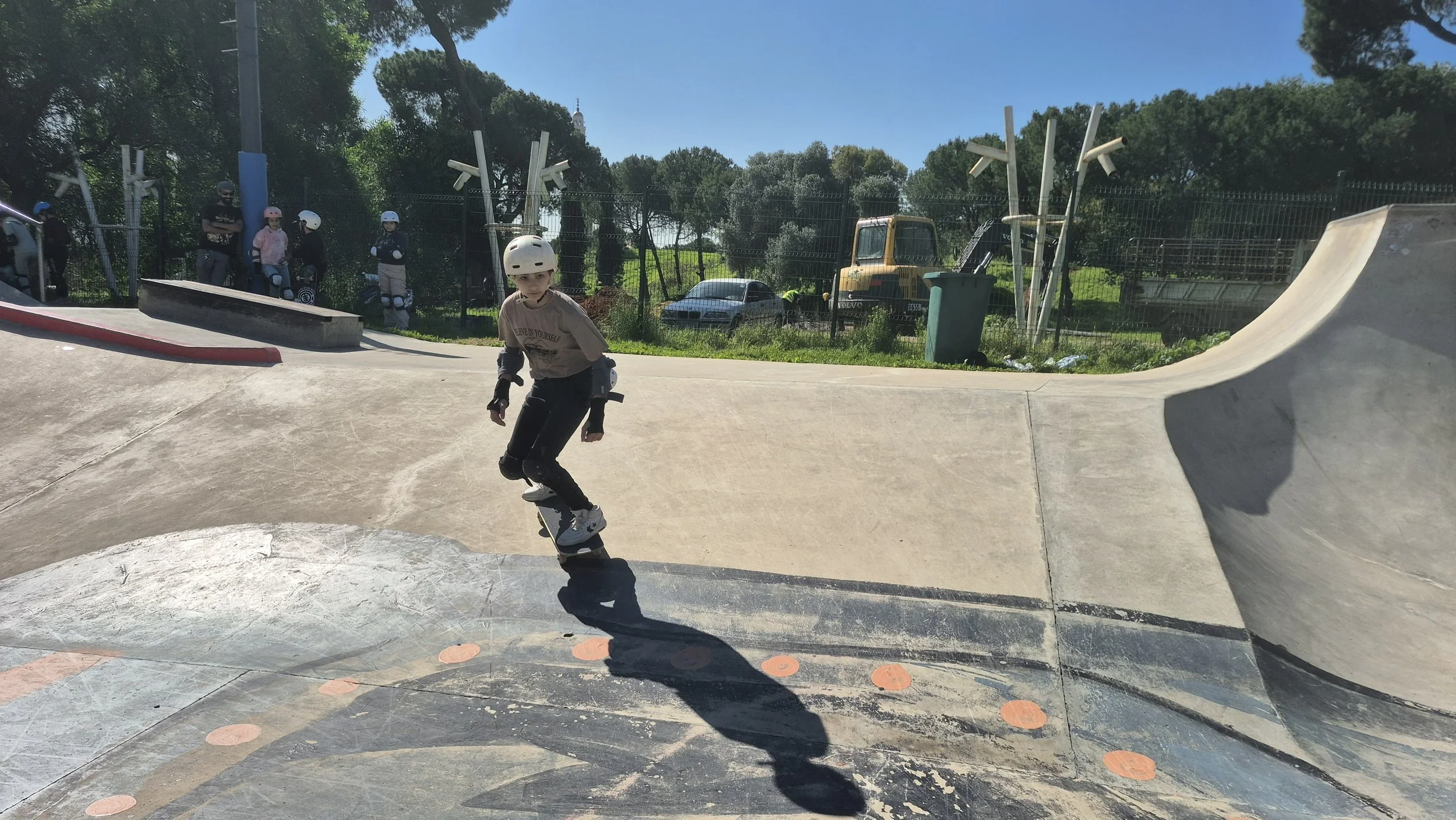
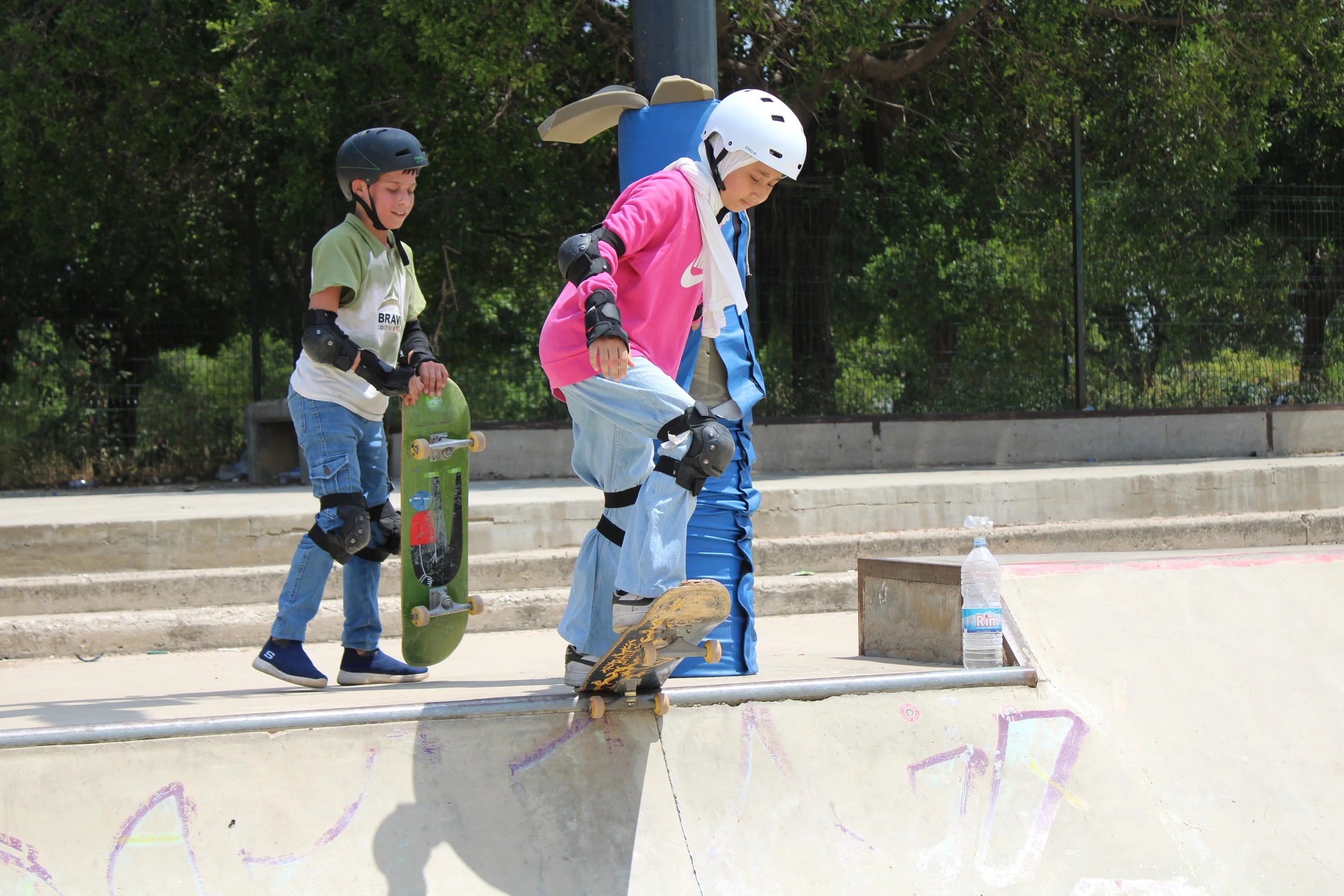
“All of them were attending school, all of them wanted better futures. But because of the conflict they had to move to shelters.”
“We were able to give them the opportunity to have fun.”
As a ceasefire took effect and Israeli forces eventually withdrew from Lebanon in February 2025, normal classes resumed at Snoubar Skatepark.
But peace and stability remained fragile and an intense resurgence of Israeli airstrikes in March and April 2026 forced Al Chanati to adapt the programme again for the children’s safety.
“We went to the Karantina Skatepark in Beirut, in a safe area that was not close to the bombings.”
“We asked the families if they would allow the kids to come on their responsibility… and had classes [there] in March [for] three to four weeks and the first two weeks of April.”
“Two days [of classes] in shelters, one day at Karantina.”
Apart from skateboarding, Just Childhood provides a range of services, including basic literacy and numeracy classes as well as art and music activities. Psychosocial support sessions have been critical during moments of acute trauma because the children were "very traumatized, very sad."
"There is an educational gap,” Al Chanati says. “So that's why we focused at the beginning on education. But after that, we noticed that the psychosocial support for the kids must be added [to complement] the skateboarding component.”
Throughout this turbulent period, Just Childhood’s programme has succeeded in empowering local girls in a sport long dominated by boys.
“There are more girls than boys skating,” Al Chanati says. “Female participation is 55%... the girls are more advanced than the boys.”
“It's rare to see girls participating in this type of sport, especially in refugee camps where there are many cultural traditions and expectations… there are a lot of stereotypes when it comes to this type of sport.”
“We were giving girls a safe area where they could express themselves rather than remaining inside the camp's one-square-kilometre environment.”
One thousand and eight hundred kilometres away, in Malard County, on the Western outskirts of the Iranian capital, Tehran, the same conflict has kept dozens more children away from their boards.
Skate and Lead Tehran has been operating there since 2024, co-founded by Negin Baghi and Farzad Haidari. Skateistan, of which Haidari was formerly a student before he was forced to flee Afghanistan, provides ongoing support to the Tehran-programme, whose participants include Afghan refugee girls as well as Iranian boys and girls from low-income families.
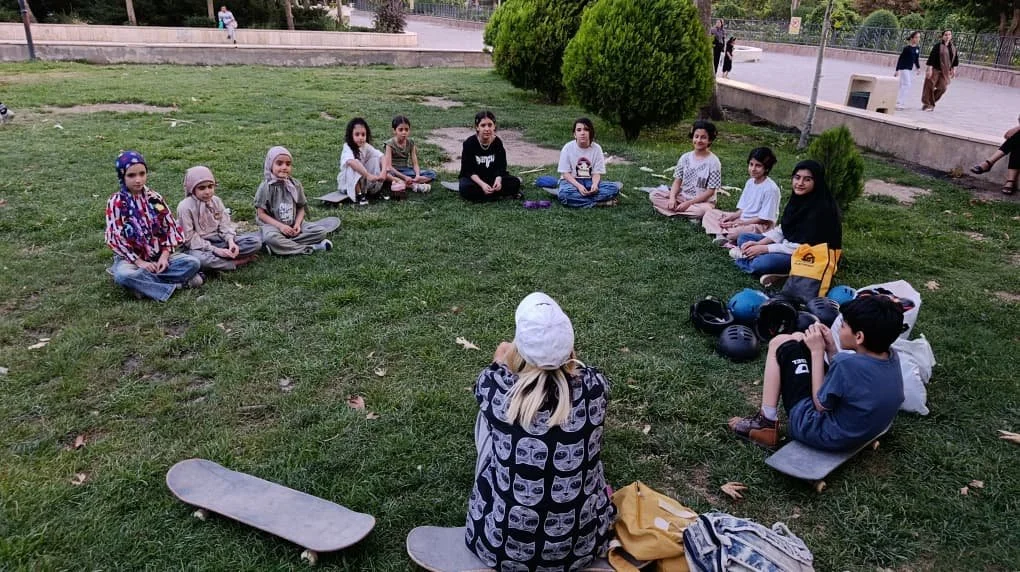
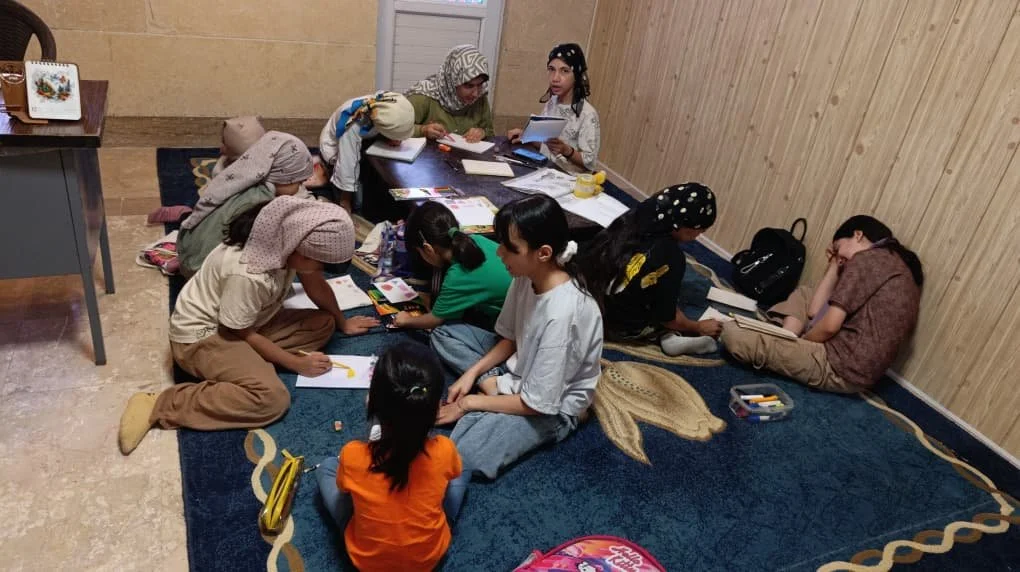
“We bring together [sometimes up to seventy] children from different walks of life,” Haidari says. “[In this region] girls think that sports are for boys, but once they realize that they too can skateboard, they become very happy and feel empowered.”
Across Malard’s flat, dry landscape, children of different skill levels take to their boards together. Older skaters, who can confidently execute drop ins or kick turns, help younger ones to find their feet.
One student, nine-year-old Aisha*, says that before joining the programme she “felt isolated and lacked confidence”. Over time, she has become more comfortable “making friends and trying new things.”
“Skateboarding showed me that falling is not failing,” Aisha says. “It taught me to get back up and keep going.”
Negin Baghi adds that many other girls like Aisha have visibly grown in confidence in the skatepark. “Some of the most inspiring changes we have witnessed have been among the girls in the program… who lacked confidence and are now helping younger children learn new skills, encouraging their peers.”
But as war broke out between the US-Israeli coalition and Iran, classes were halted for the children’s safety. Internet blackouts throughout the conflict made it even more difficult to stay connected.
The coaches immediately turned to their phones. “When the internet was down, we stayed in touch with the children and their parents by phone, checking in on them during the stressful times of war,” says coach Fateme Roshan.
When internet access allowed, the coaching team delivered online classes and extra activities—anything they could do to ensure the children didn’t lose hope.
As the situation stabilised, in-person sessions returned in May. “Hope and joy again and friends coming together,” is how Roshan remembers it. “Their friends are very important to them and they love to learn from each other.”
Student Bahar* says that she is grateful that classes have resumed over the last few months.
“During the war, I was very upset and worried because skating classes were not being held and right now, I’m so happy to be having skating sessions and being with my friends.”
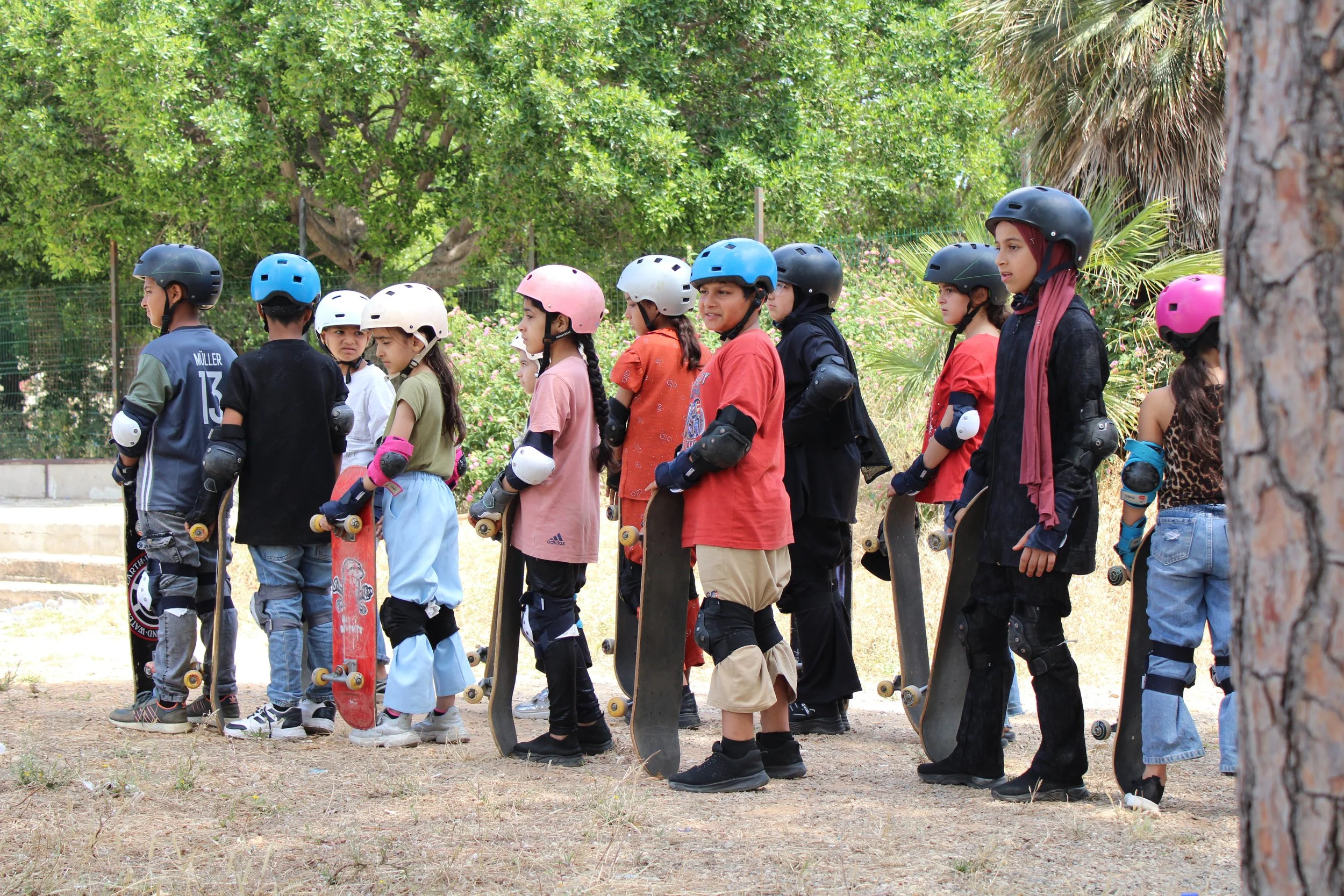
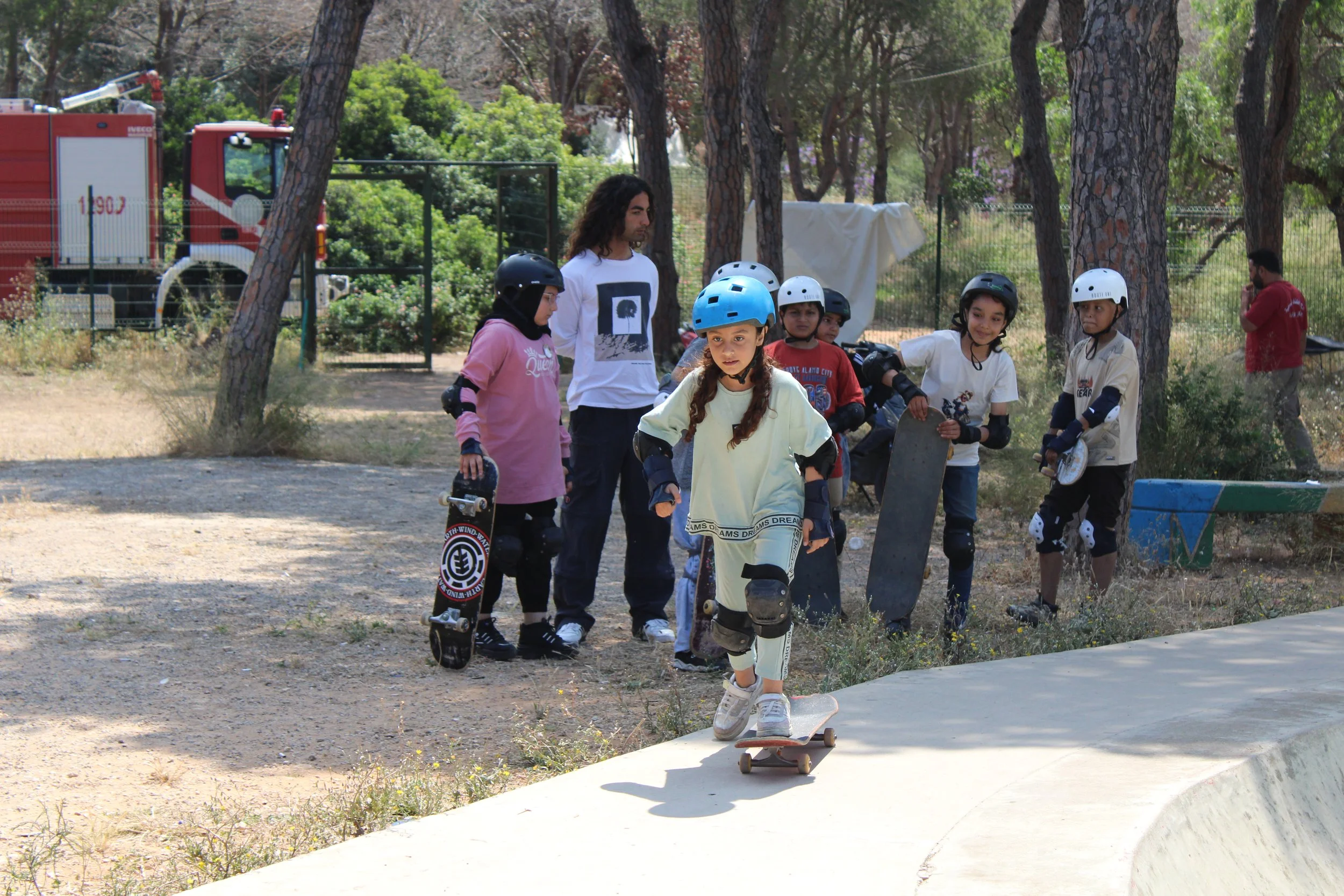
In both Malard and Beirut, the future remains uncertain. Conflict could re-erupt at any time but, for these skating communities, each day spent back on the boards is taken as a blessing.
In Beirut, Al Chanati recalls seeing a girl from Burj al-Barajneh help another from Mar Elias learn how to drop in.
“For me, that's success. For Just Childhood, the coaches and the community.”
Despite that success Al Chanati is well aware that the children are still deeply affected by the violence going on around them.
“Many of them are still affected by the sounds of explosions and the destruction around them. I'm not going to try to make it sound beautiful. It's ugly.’”
“If the ceasefire holds, we'll continue normal sessions. If the conflict returns and families end up in shelters again, we'll build more ramps and continue supporting them there.”
Many children, like twelve-year-old Mona*, still feel the impact. “Every morning I [would] wake up crying. When I heard the sounds of bombing, I [would] get shocked and run to pack my clothes.”
Today, she says, “I am so happy to come to Sabra Center. To play… to see my friends. Even when I feel sad for the people who died, here something holds me.”
“I still feel scared. But here, I don’t have to feel it alone.”
*Pseudonyms have been used for children’s names to protect their identities.