A Photographer You Should Know: Josh S. Rose
Professional photography is a crowded field.
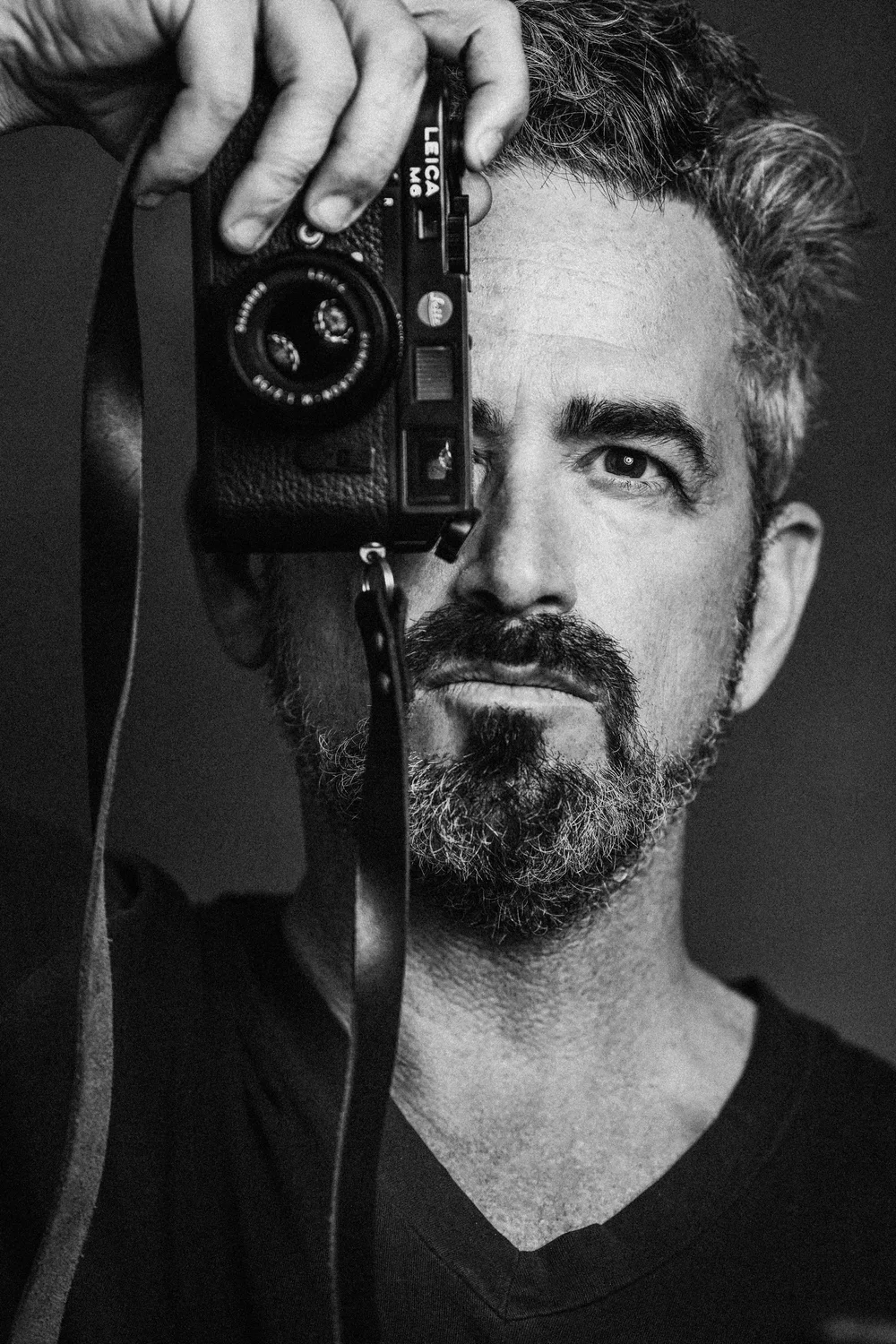
Every dumb dunce with an iPhone and a rich father is a photographer these days. It is infuriating. It lessens the craft and dilutes the form. As much as it is an art form, it is a trade - a skill honed over time and forged through trial. Like painting or sculpture, a good photograph is more than the sum of its parts; a robot can make a beautiful picture, but beauty is cheap, and only one half of the artistic coin. A good photograph is beautiful, and something; a good photograph stirs the soul, speaks to the heart as well as the mind. Los Angeles-based photographer Josh S. Rose’s particular brand of photograph - one developed over ten years of diligent pursuit - doesn’t just look good on a wall, it speaks to the viewer.
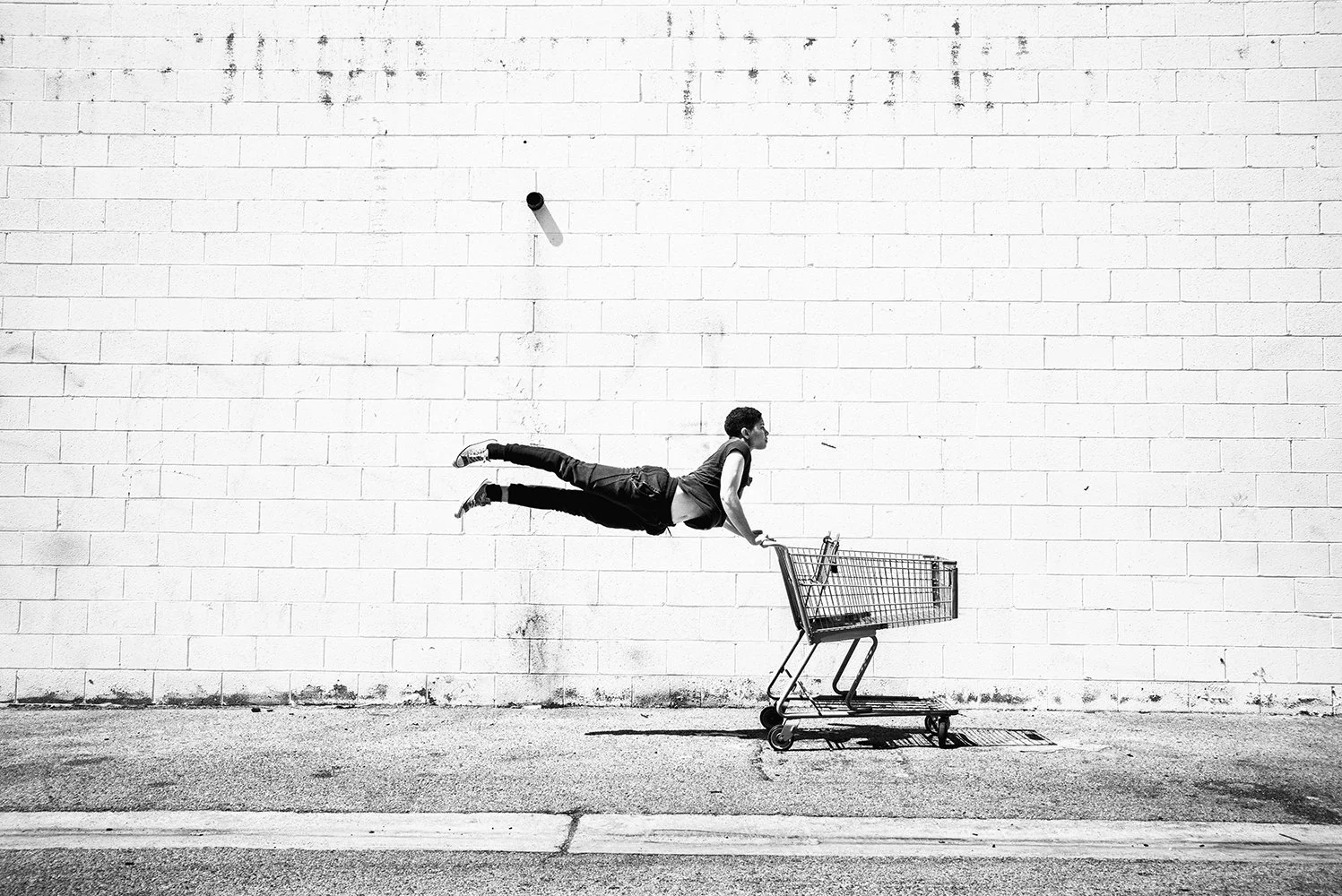
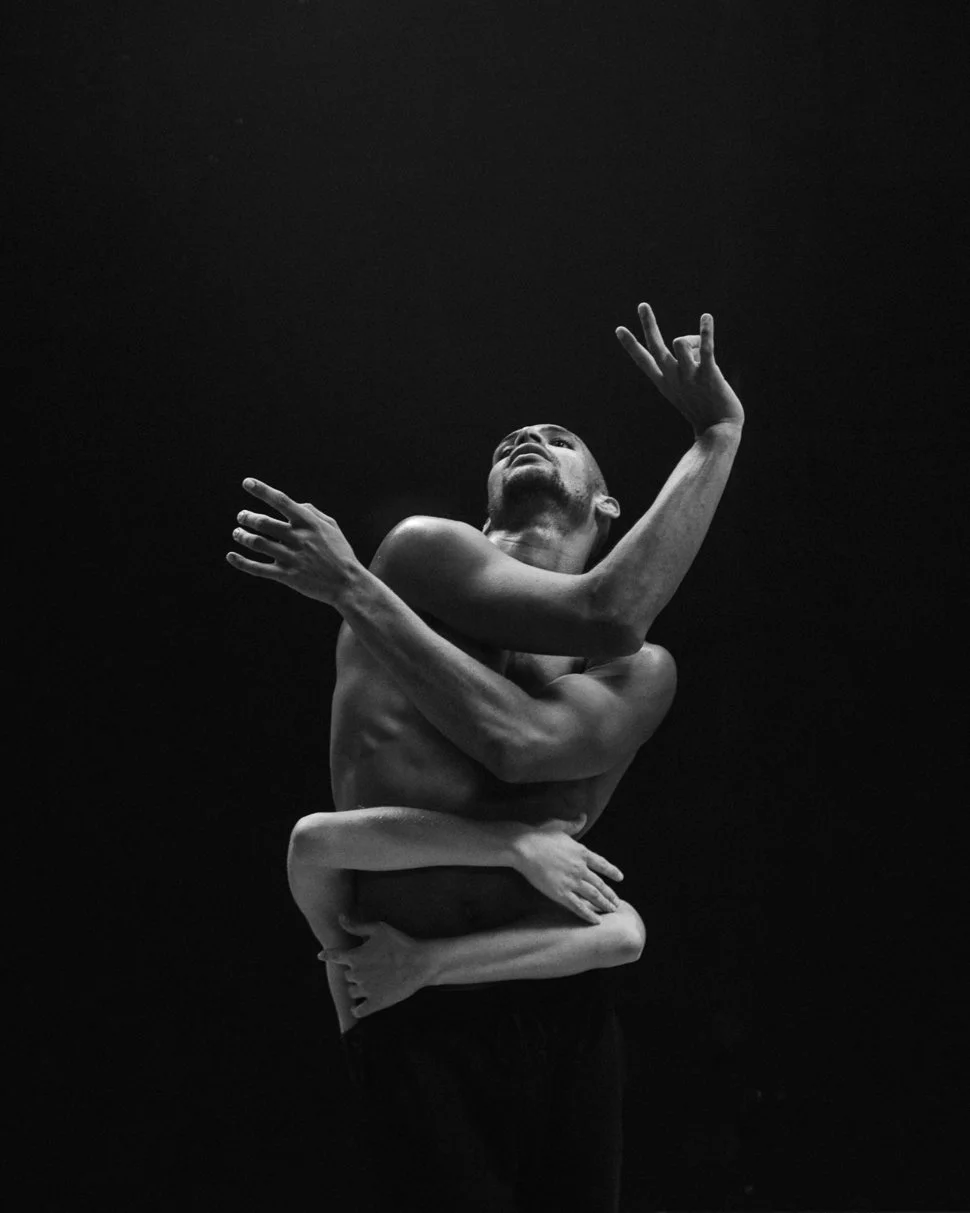
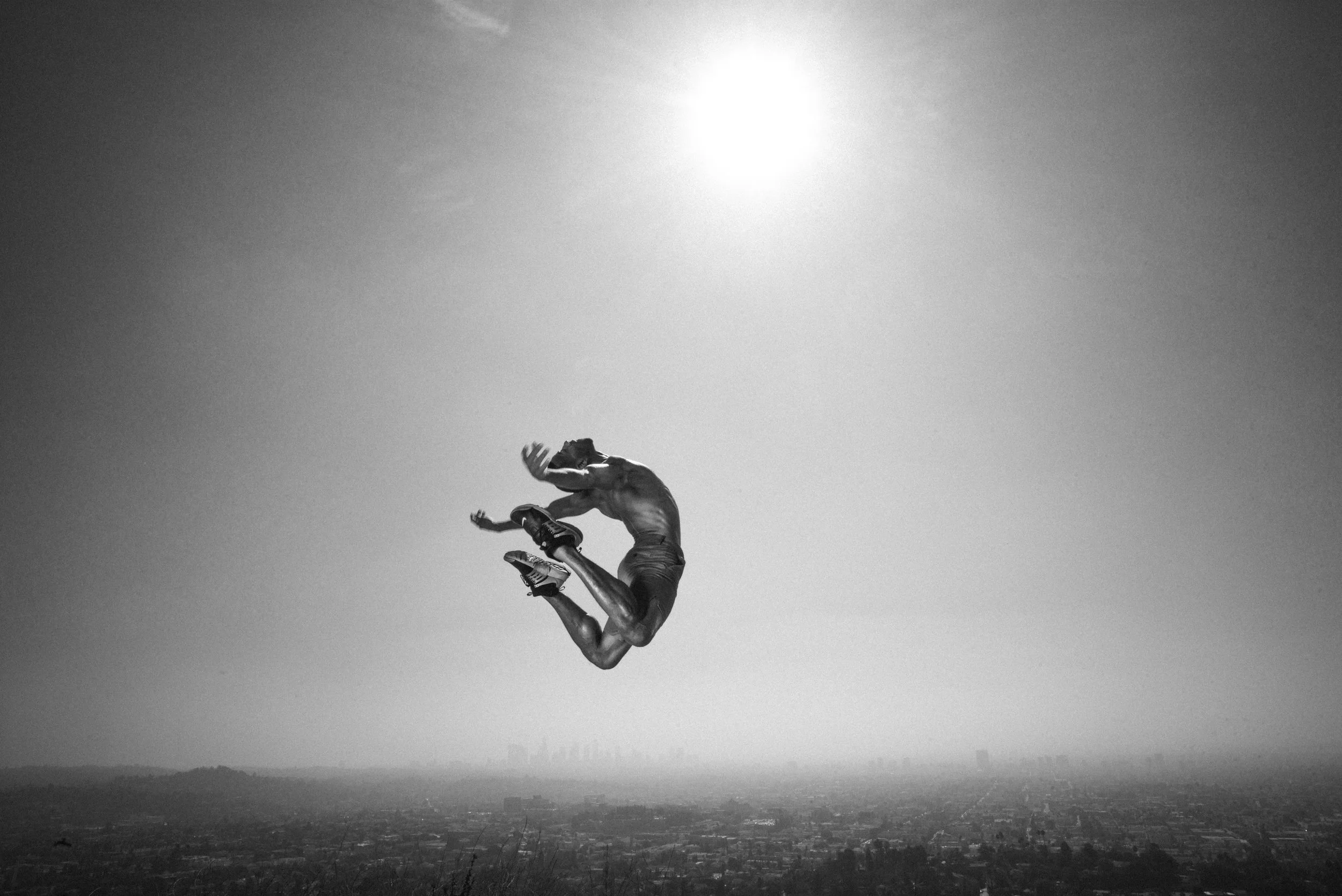
There is drama in Rose’s work. They are enthralling, confusing, ephemeral and imperfect; in his photographs, enormous movement and athleticism come to a halt, allowing a split second of incredible effort and instability to be observed in its entirety. Focusing primarily on the fine arts and dance scenes of Los Angeles, Rose is creating work that explores its niche in a way that is ‘fine’ but doesn’t talk down to its audience. The movements and choreography that would normally be seen only in a decadent theatre are repurposed to urban landscapes, creating an accessibility that echos Rose’ own personal philosophies toward both photography and dance, which is that effort, presence, and willingness to do is as important as the equipment it is done with. In a field as crowded and misunderstood as photography, Josh S. Rose’s work stands out.
You can see some of Josh’s work in Los Angeles this Saturday, June 27th, at Olympia Club (3007 Ocean Park Blvd, Santa Monica) from 5PM-8PM.
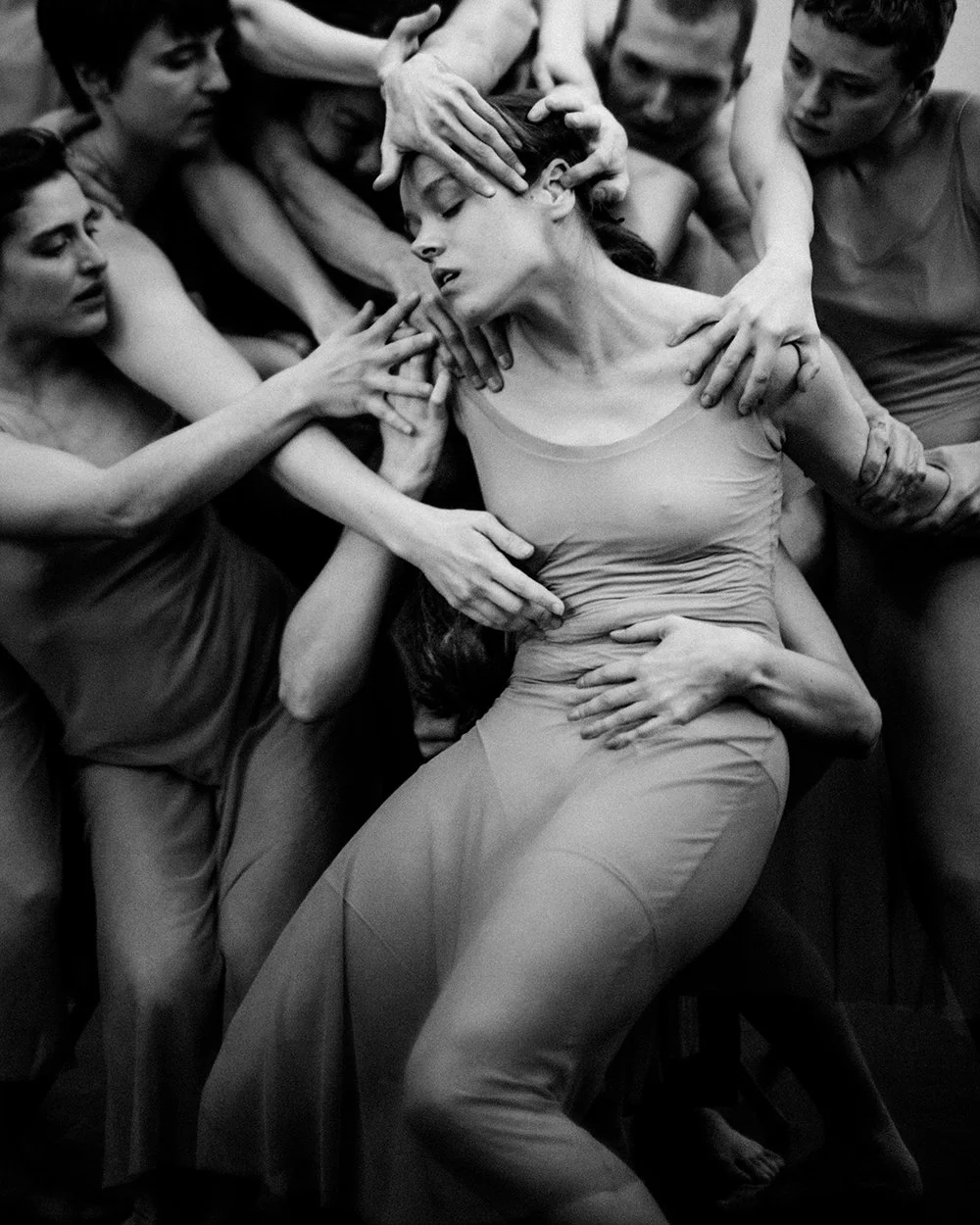
You’ve got a print out of one of my favorite photos behind you, can I ask about that?
Sure.
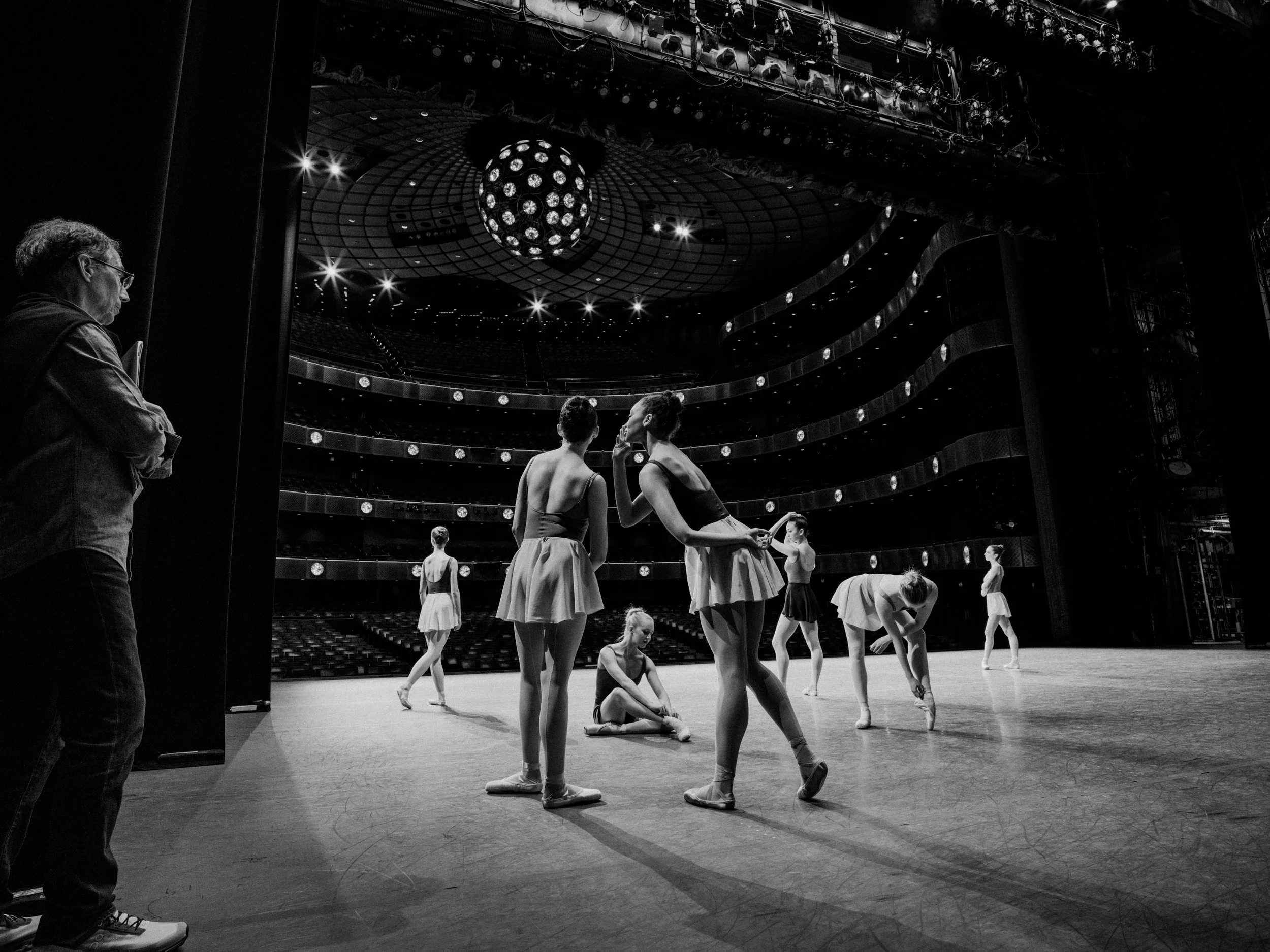
Alright, so it’s a photo of a dancer surrounded by other dancers in mid-motion and it is extremely dramatic. You are taking a very big human movement and making it into a compelling still. How do you approach that?
There are a couple things: there’s the grand scheme of how I ended up in this territory, and then there’s the technical aspect.
Maybe start with how you got started in this whole scene.
I had developed this relationship with performing artists - dancers and fine artists - over the last ten years. In the last decade, what’s happened is that the fine art world and the dance community have come together. Sometimes there will be a big show and they’ll want dancers or performers to come in during the opening reception. I don’t know how that marriage happened, but I had already been working with dancers and had an artist in residence with the Los Angeles Dance Project. That group had been getting invited to event openings and doing performances in these spaces with art around. They asked me to come and take photos, and so I sort of fell into this community.
I started doing these small documentary projects about fine artists - painters and things like that through this big agency, almost every month. I got invited out to Desert X, and to Qatar with the Los Angeles Dance Project during the World Cup to document dance. This was like a five year period where it just started growing. More recently, dance and performance has started to pop up a lot in Los Angeles. There are a lot of performances that have one foot in dance and another foot in fine art.
Do you mean it's taking on a DIY aesthetic? What's a pop up?
Sometimes, it depends on the group. A couple of the shoots I’ve been doing: one is an artistic duet who did a show for three nights at a place called Human Resources, which is this big white box that has been a performance space for years and years. The lore is that it was a movie house for kung fu films and porn, but it’s very affiliated with CalArts, so a lot of people hold performances there. It’s a bit underground, it has a DIY feel to it.
The networks have gotten stronger and the desire for in person experiences has grown. There’s a lot of live theatre stuff in LA right now.
Why do you think that is?
I personally think that it's a response to covid, and combined with a political atmosphere; everyone’s feeling off, a little cautious, so these private pop up experiences where weirdness is the underlying theme, people really want that. It’s a thing right now. My friends just did a pop up show in a toy warehouse in Torrance. It was so sick, they did three nights, a few hundred people showed up. There’s a lot of that kind of thing happening in Los Angeles right now. That’s the environment.
What about the technical side?
In terms of my capture technique - I think that why I get invited to a lot of this stuff is because I’ve become known as a very accessible photographer. I’m not trying to position myself as anything more than a collaborating artist.
Can you expand on ‘accessible’? Do you mean like your email is out there?
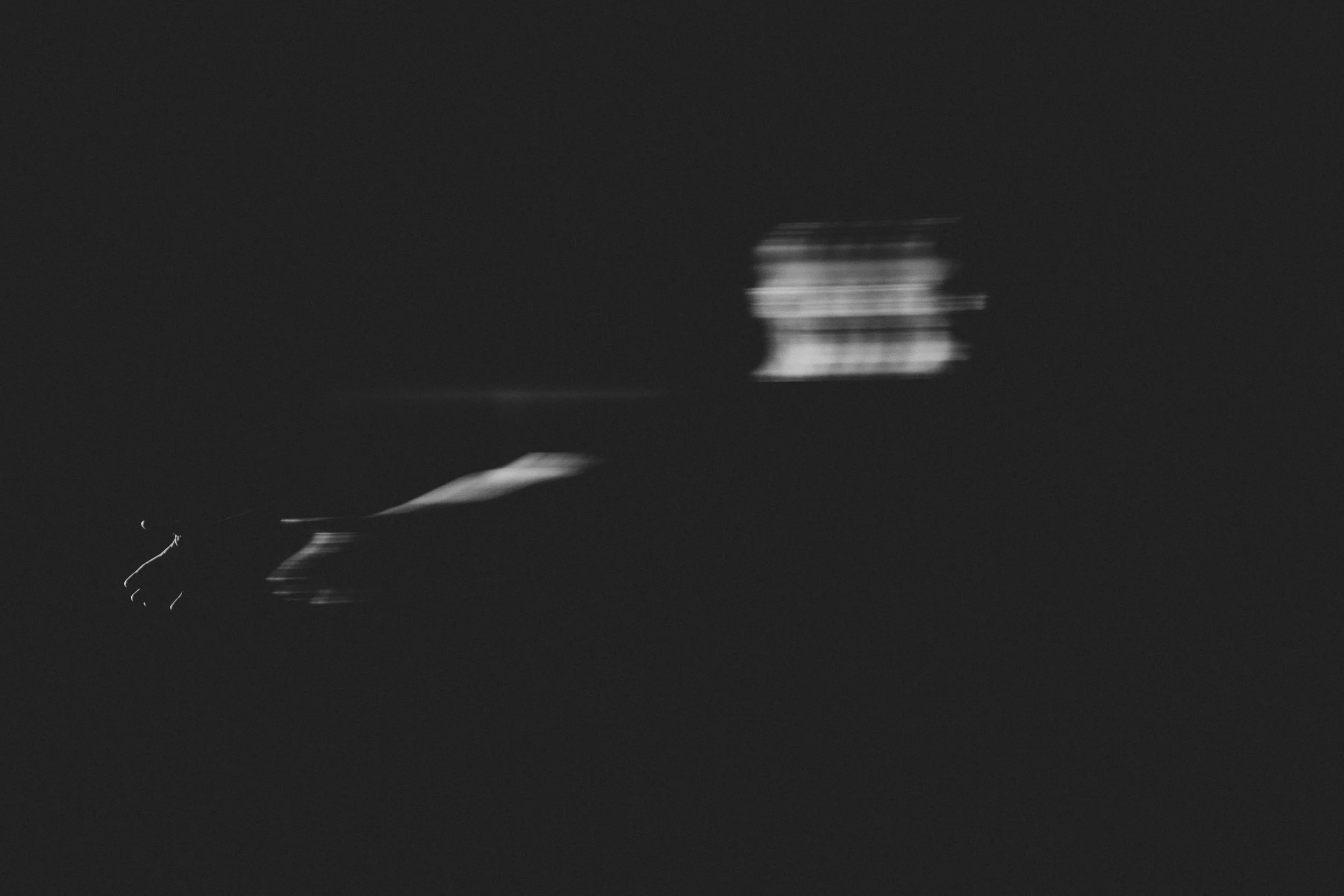
Yeah! It’s very easy to get me to come to a show, and everyone knows that. You don’t have to pay me a lot of money, there’s not a lot of formality, I don’t worry about rights, I’m not trying to gatekeep imagery; it’s just like, I’m gonna shoot, you’re gonna get a folder full of images. The trade off is that you’re not going to get your typical photo from me, I’m going to do what I want over there. That’s the agreement. I’ll come run around and do my thing, get what I think is really cool, do a lot of double and triple exposure stuff. I like to push the camera, push lens, push light - do the unexpected thing.
My process, to get back to your original question: I have this mantra, which is that maybe I’ll get lucky. That’s my approach to photography. I go in and experience what's happening, and because I know the dancers and choreographers very well, I go in as a lover and appreciator of the art form first and foremost, and then secondly as a documentarian. I kind of let go, into the process. I feel the pressure to get imagery for people, but I’m not storyboarding ahead of time or studying the choreography all that much, so I have to be very present with them.
That’s very nimble. It’s as though you can predict the pinnacle moment.
With dance, it never stops moving, but if you’re like, ‘hey can you go back to that shape you made?’ they’ll be happy to do it. With choreography, it never stops flowing in and out of shapes, so when you’re trying to get a good shot, it feels like you’re in space trying to shoot a meteor shower, there’s not a bad shot in a situation like that. If you’re in it and observing and really feeling it, you can find the photo.
If I can back track to where we should have started: how long you been doing this?
This particular genre?
Yeah.
Almost a decade?
How the fuck? This is such a niche.
It is, it really is. It was hard to convince the family that you’re going to get a return on it - there is no return on it in the beginning. The question I get a lot is, ‘are they paying you?’ and often the answer is no.I was doing a series called Conversations with Walls. It was right around the first Trump election, and it was this time where it became very difficult to talk to people about things. I grew up in a place where you debate and talk, and sometimes your mind gets changed. No one does that anymore, and I really started to feel that. As a way to express that, I got actors to come and have conversations with walls. I was on my fourth or fifth outing with this guy who was an actor, and he was like, ‘you need to get a dancer to do this, I don’t have as much physicality to give you,’ and he introduced me to this woman named Lydia Purves-Ware.
I just lucked out and got the perfect person to bring in. Showed up downtown, told Lydia what the project was and before I could even finish, she understood and was doing things that I had never seen before. Her interaction with the wall, what she was able to bring to it physically, blew my mind. It became something else entirely, and so I started bringing her out to shoot with her, and that work got noticed by Jacob Jonas who is a prominent choreographer here in LA. He was doing this project that paired dancers and photographers together to various locations around LA and just shooting. He brought me in on that. That led to the Los Angeles Dance Project, and the relationship started building from there.
My impression - and I want you to push back on me if you think that this is incorrect - is that Los Angeles is a very isolating place. You get in your car alone, you don’t bump into people, especially now with all of our lives on the internet. What you’re describing is a career built on community cultivation in Los Angeles and I’m curious about how you would advise someone who would like to find the same.
I think that your impression is correct. LA is a difficult place. It takes five years just to learn how to drive in LA. What you do is to find your place, and your work place, and then eventually you branch out. The other side of that coin is that it forces you to glomb on to the people that we are around - we create little versions of community for ourselves.
As far as finding a creative community, my sense is that modern day creators are doing this almost preternaturally. There’s also the entourage thing. An artist has a community around them; a PR person, a stylist, a manager - a lot of artists do this naturally because they need content and style - its necessity based around art. To get to that, I would say - and this is not something that young people want to hear - but I would say that it starts with your talent.
Can you expand on that?
You become really, really good at something, and then everyone wants a piece of you. You’re getting invited to things and asked to collaborate with people based on your talent. I have a small studio, and people want to come over and chat and what I hear from young people is, ‘I’m really good at what I do, I just need to meet the right people and get the right opportunity,’ and my pushback is that I’m not sure if they are that good. And I’m not even sure that I’m that good. I’ve been at this one thing for the last ten years, and I am as close as I’ve ever been to being a master at it, but I still don’t know if I am, and that’s ten years down the line. I would say that people should slow down and lean into their craft and explore their passion. In art school, I spent four years in a studio just making as much as I could - I just wanted to get better at it. Taking that mentality out into your daily life is a good idea. Get critiqued, make work, get out and do it. It will lead to all of the stuff you’re asking about.
Instead of waiting to find them, pull people in. Say to someone, ‘I want to get out today and try this and put my spin on it and learn to do it’ and then go back out and do it again tomorrow.
It’s about getting these reps in. The community will come as you develop your style and your technique becomes you.
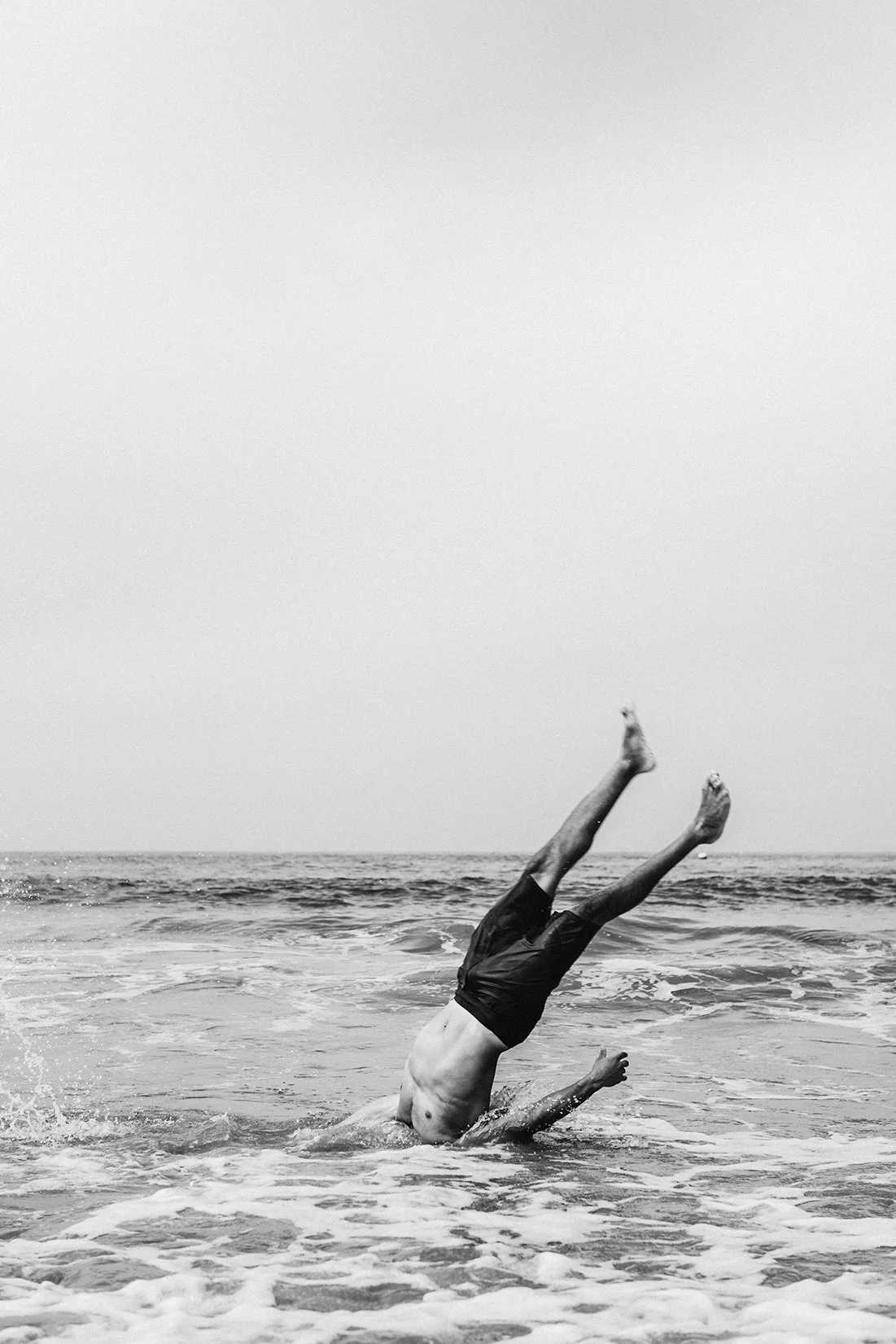
There is a photo that I’d really like to ask you about. It’s labeled Nic Walton.
Is his head in the water?
Yeah.
Yeah, that one gets a lot of questions.
Nic Walton.
It is beautiful, mysterious, funny, and stands out in the rest of your work because it isn’t necessarily dance. It’s almost absurdist. It speaks to me very much, and I’m not sure why.
That’s great, I love that. Nothing thrills me more than when a photo speaks to someone. Thank you. Nick is a dancer, he’s also what we sometimes call a mover. He is a specimen - he led a group called the Back Flip Community for a long time where he got a group of super rad parkour type people who move into dance - they call it ‘moving’.
I have five to ten dancers who we are always in contact with and when we’re feeling it, we go out and shoot something. With Nick, we went out to the beach and he was doing backflip things. We decided to break off and do some weird things in the water. One of the hallmarks of he and I’s work together, is that we push into some dangerous things. He’s a very edgy person - he’s Evel Knievel, he’s just got that element in him the way that a lot of parkour people do.
When we headed to the water, it's in there that we are going to do something a little crazy. He threw out the idea of doing a flip in a way where his head goes through the water, and so he did it and I was like, ‘that’s fucking crazy, can you do it but put your hands at your side?’ and so he did that and I think I got that photo on the first or second shot. He was fully in motion, shot at a super fast shutter speed.
It’s about getting used to movement, knowing how people move. I know how dancers move. I can tell when they are going up for a leap and I can react very quickly to small signals, and that's what I was talking about getting reps in, - just getting really good at your craft.
It seems like you wouldn’t have been able to find this niche and thrive in it were it not for the time and commitment you put into doing this specific thing.
Yeah, and I know that nobody wants to hear that. I’m hesitant being Gen X to say things that Boomers say. ‘Work hard and pull yourself up by your bootstraps’. If you can take short cuts, I think you should take them. But I do think that because of things like AI and social media that there is this idea of like, ‘yeah, I can get there’, but that's a marketing tactic, that’s not actually true.