Photography by Gabe Long, Chloe Flaherty, and Santiago Cerrillo.
‘It’s hot in Thousand Oaks,’ I said, sweaty and hungover from behind dark glasses, to Baron Rinzler, guitarist in Los Angeles-based rock and roll band, Rocket. ‘Yeah, but we’re not in Thousand Oaks,’ he replies. ‘We’re in Sherman Oaks. This is where we grew up.’
I first met Rocket - the band from Los Angeles who grew up in Sherman Oaks and whose 2025 record, R is for Rocket, made me rethink my suspicion of the soaring chorus singing and the pedalboard-wielding - when they agreed to DJ our issue release party in Silverlake a year ago.
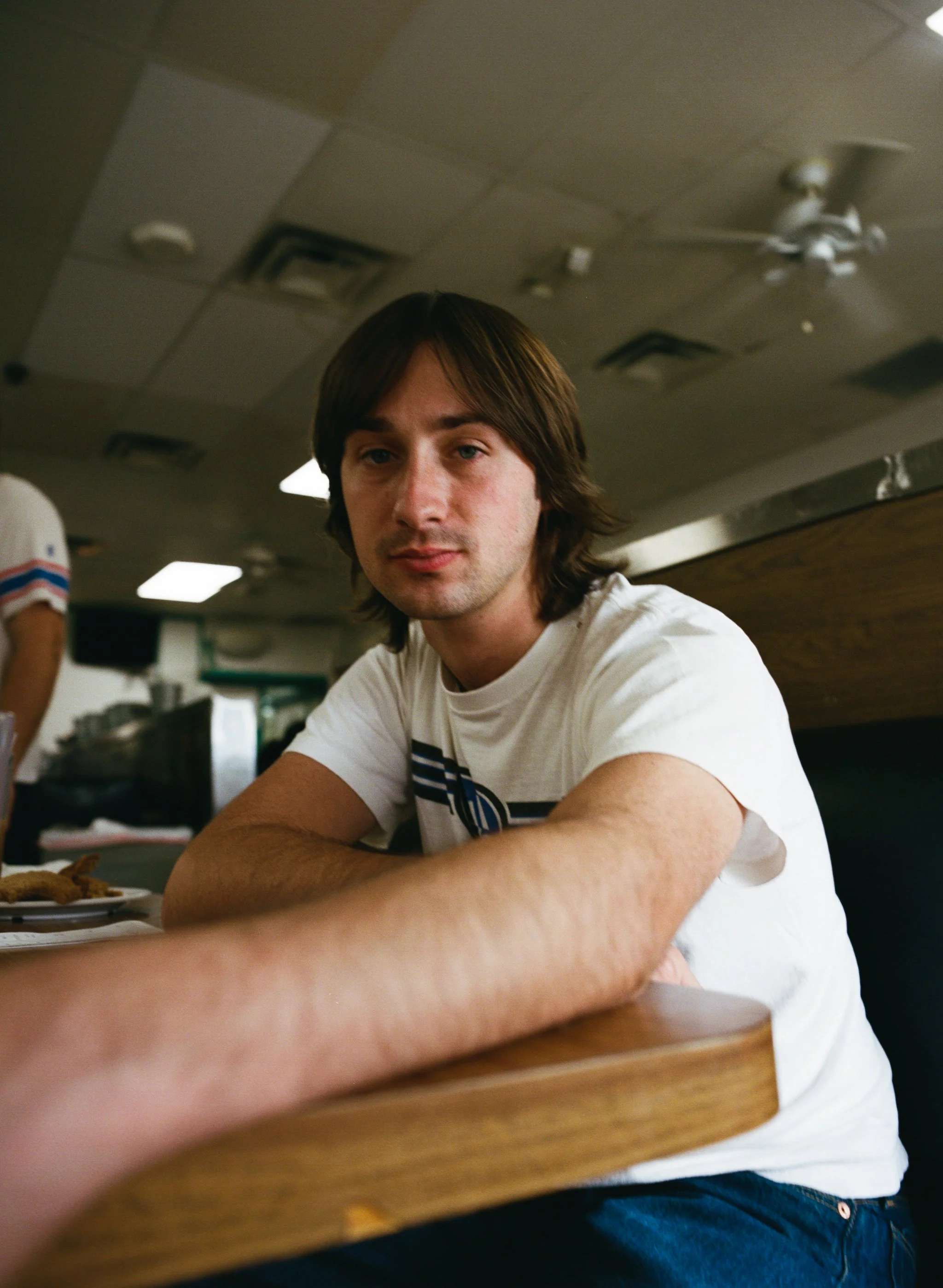
Accustomed to the sort of safely-cool chauvinists of New York City DJ culture, I was delightfully surprised to hear Rocket play with grins on their faces an unrelenting homemade concoction of ungodly mashups that were both deeply unsettling and compellingly danceable. Some months later, they played the Monster Children showcase at SXSW. I asked them what they wanted on their rider. They replied, ‘pranks’. Rocket is a special group.
Alithea Tuttle’s vocals aren’t screaming aggression but sort of keep the rest of the music tame; grounded in the feeling rather than allowing songs to just be loud for loud’s sake. More than voluminous, the vocals in combination with Baron and Desi Scaglione’s guitars, Alithea’s fluid basslines and Cooper Ladomade’s explosive drumming, make the songs sound expansive and, above all, thoughtful.
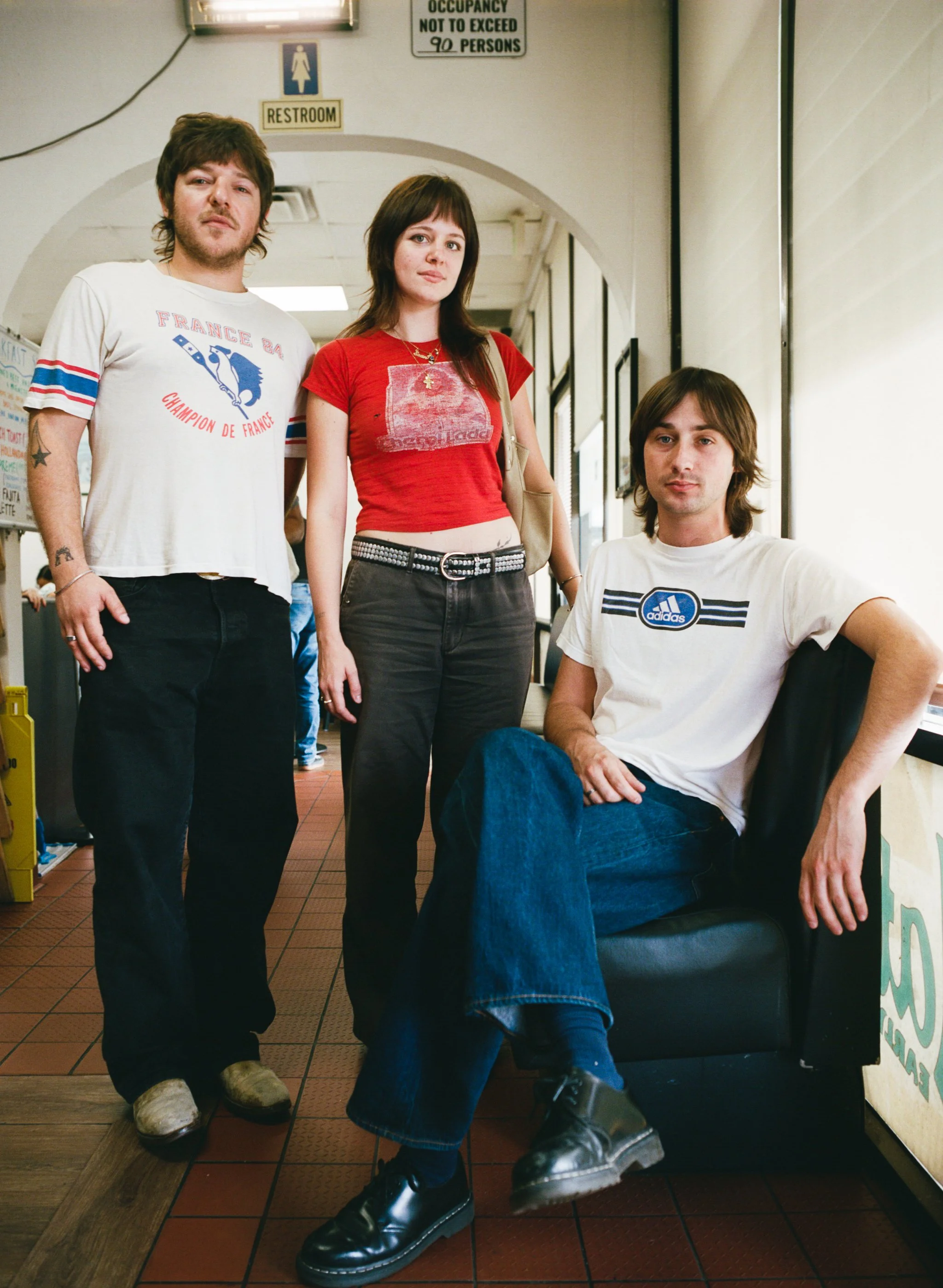
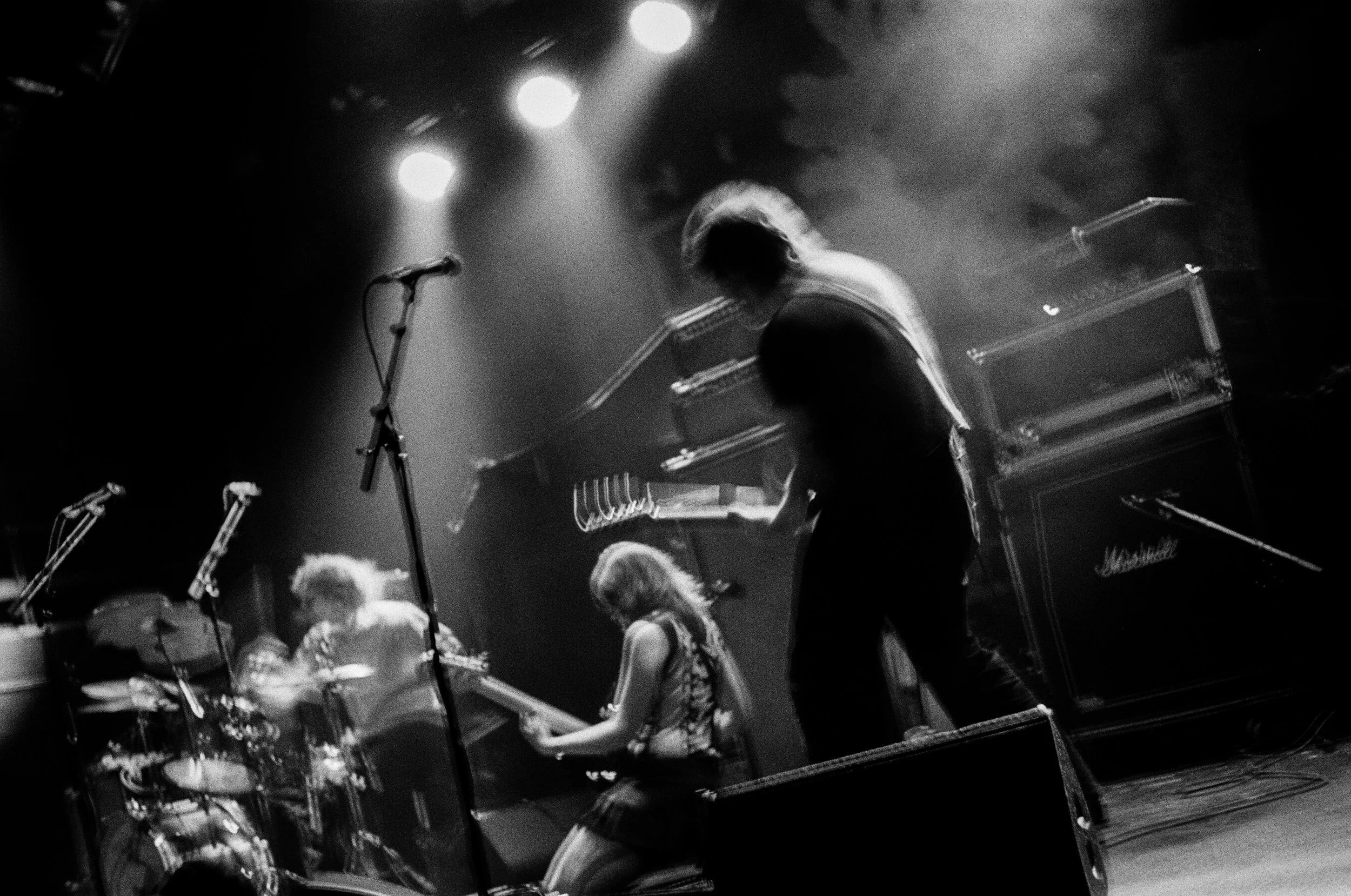
Live, they are extremely well-practiced, and their deep understanding of the songs and each other allow them to improvise with more excitement and confidence - because they know where the fences of the song are, they are more free to explore all of the space in between. They take the music seriously, but not themselves. They’re not putting on pouts and keeping their heads down - there’s no showing off. They're smiling, having fun, telling jokes that go on too long.
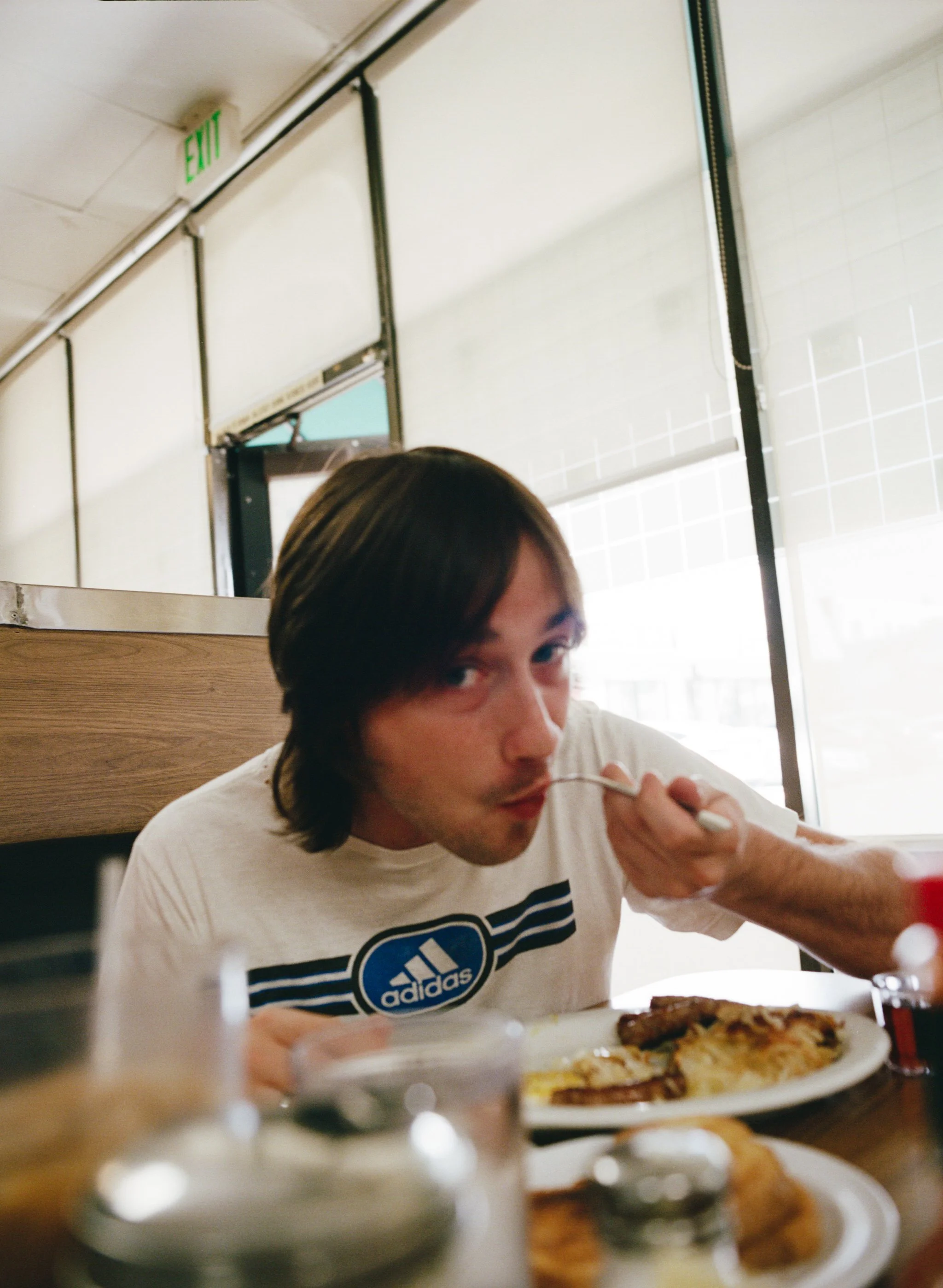
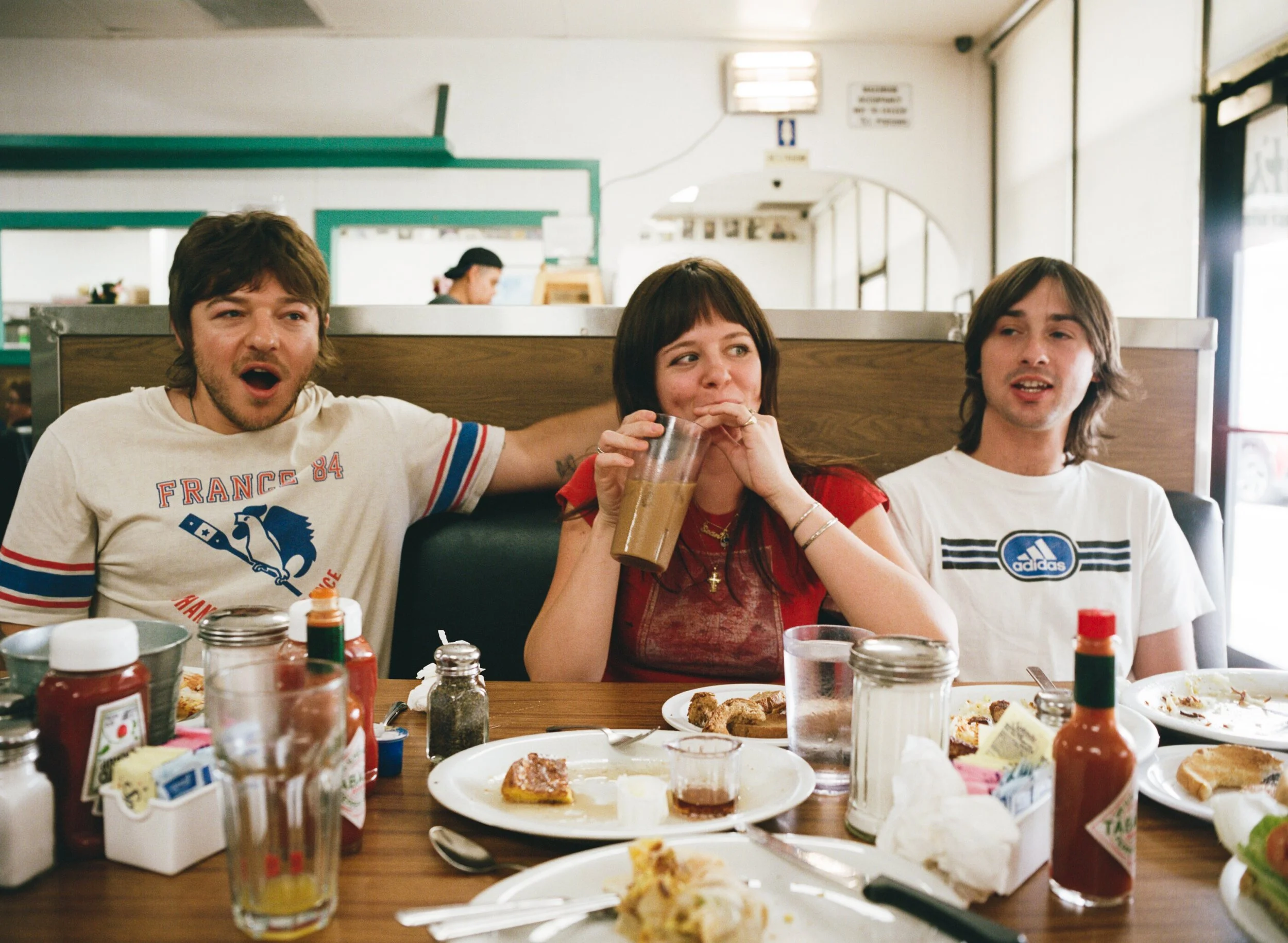
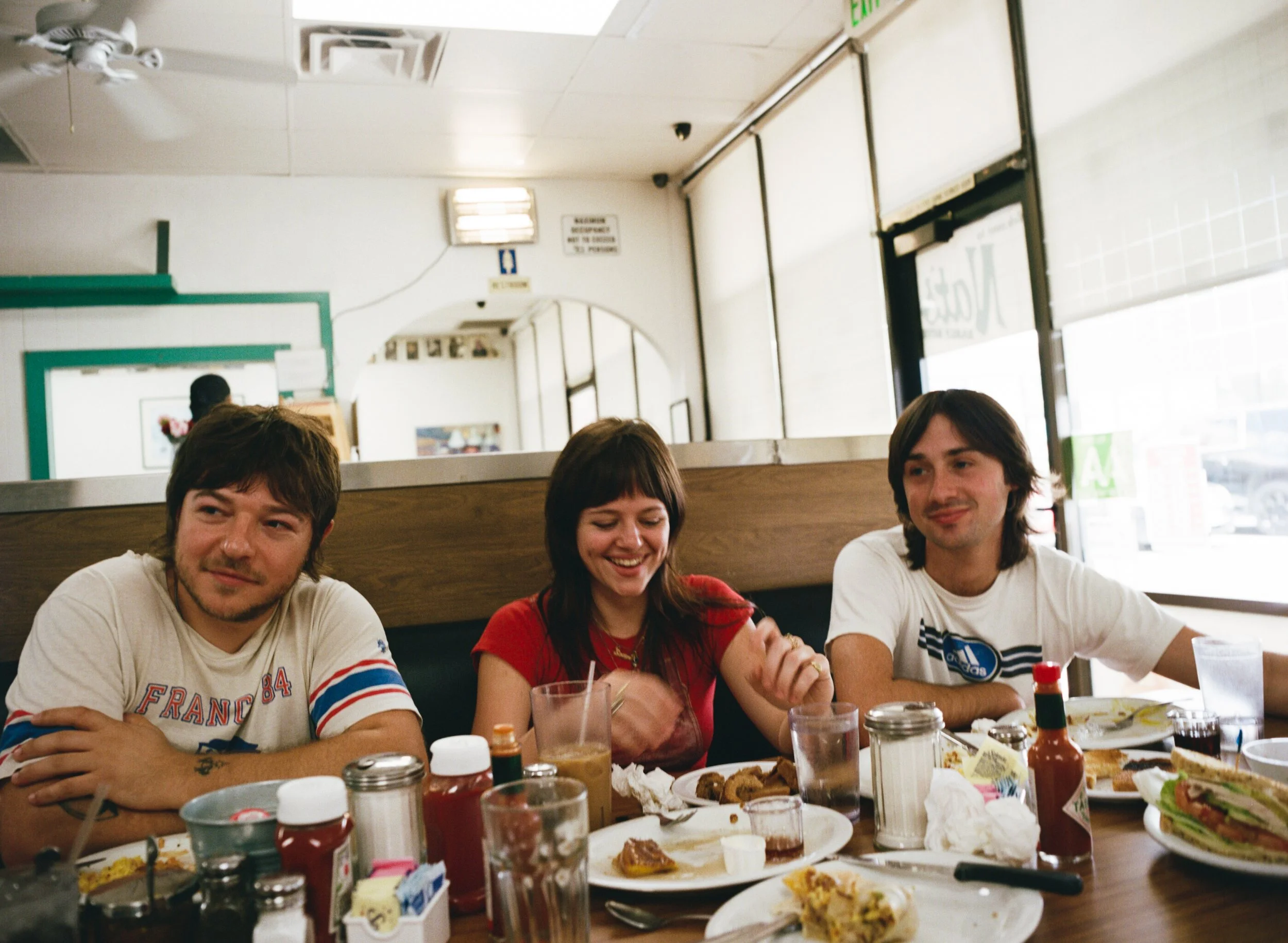
On the topic of jokes that go on too long: we sought to spend a whole day with Rocket in their natural habitat, and so they offered to take us first to their favorite diner, Nat’s Early Bite on Burbank Boulevard, where we talked about stage presence, and how, while the rest of the band tunes their guitars between songs, Desi likes to tell a joke.
Baron orders french toast for the table. Plates of eggs and hashbrowns arrive as Desi, with a smile, tells a joke about an Irishman drinking an ocean’s worth of Guinness, during which entire minutes pass, and which yields a chuckle.
‘That’s usually the reaction of the crowd too,’ explains Alithea. ‘No one is asking him to do this, by the way,’ she says. ‘The thing is, it’s funny, but it’s not that funny.’ says Desi. The three of them (drummer Cooper Ladomade was unavailable for our day’s excursions) have a comedic rhythm that makes the bad feel good. Any bad joke, creepy fan, unfortunate truck stop meal, or past embarrassment is really an opportunity to be whole people, and to laugh.
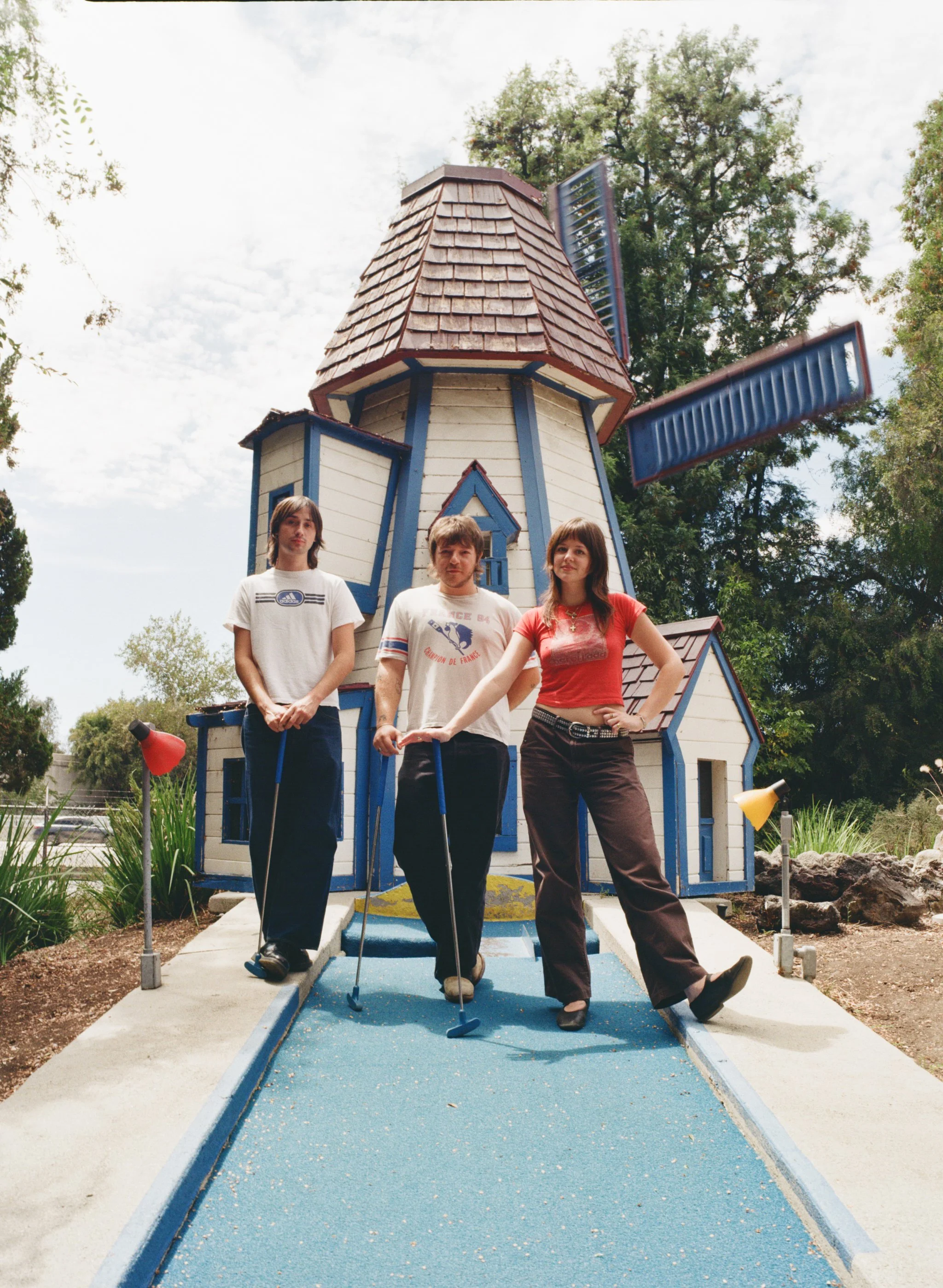
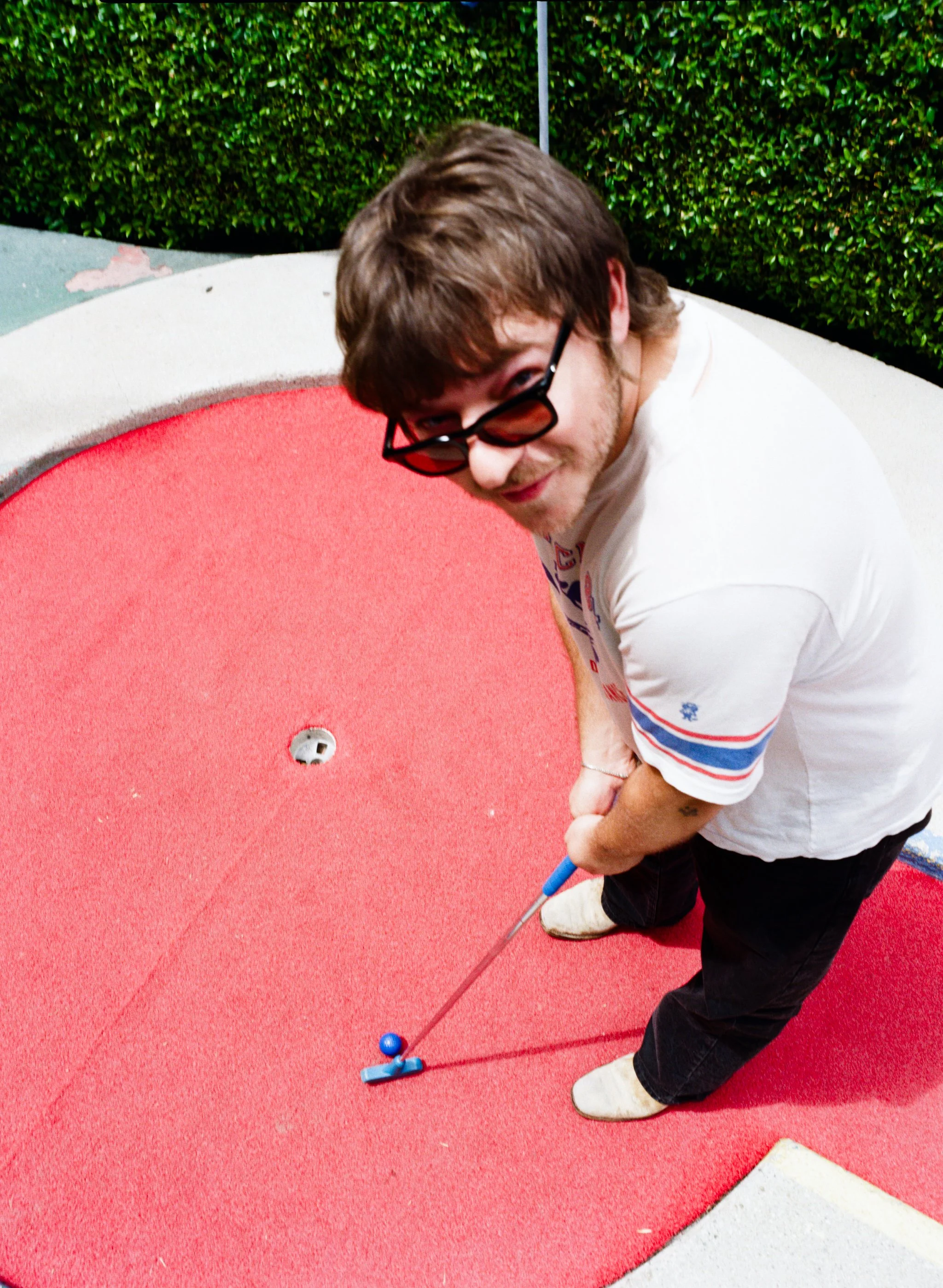
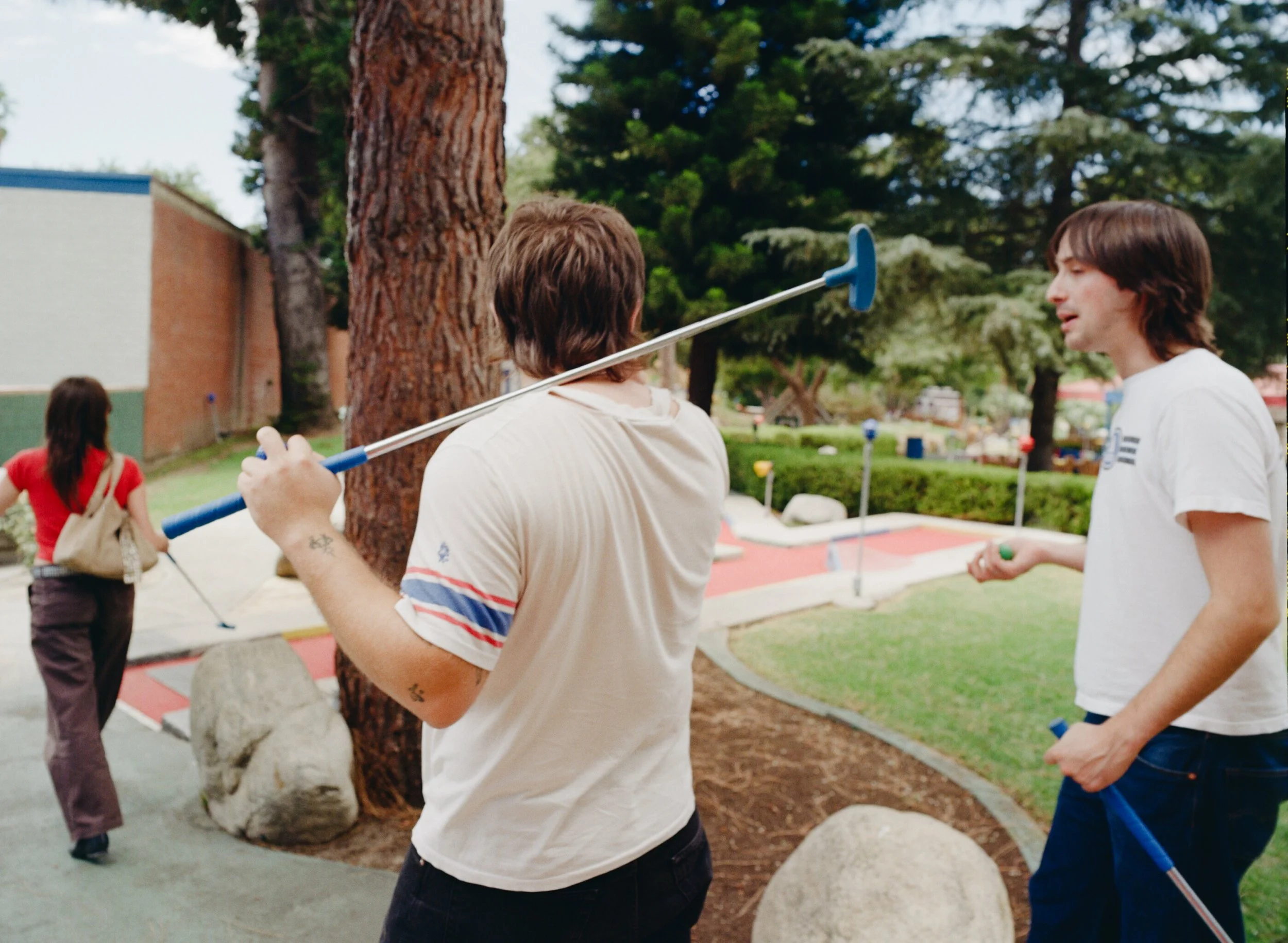
The day that they had planned for us, I imagine, is a normal Friday for them: breakfast at the diner, a round of mini golf at Castle Park Sherman Oaks, then practice at their studio down the road. For a rock and roll band on the cusp of becoming enormous, it seemed an oddly tame afternoon - out of place, even, considering the choices of their contemporaries to wear leather and meet journalists in the dinge of a dive bar.
‘Because we didn’t choose to get our photo taken at a dive bar, are you insinuating that we are not cool? ‘We can start drinking right now, if you want.’
I tell them no, that I don’t mind a change of pace, though a game of outdoor mini golf in the blistering sun at the height of summer at a children’s amusement park was an interesting choice.
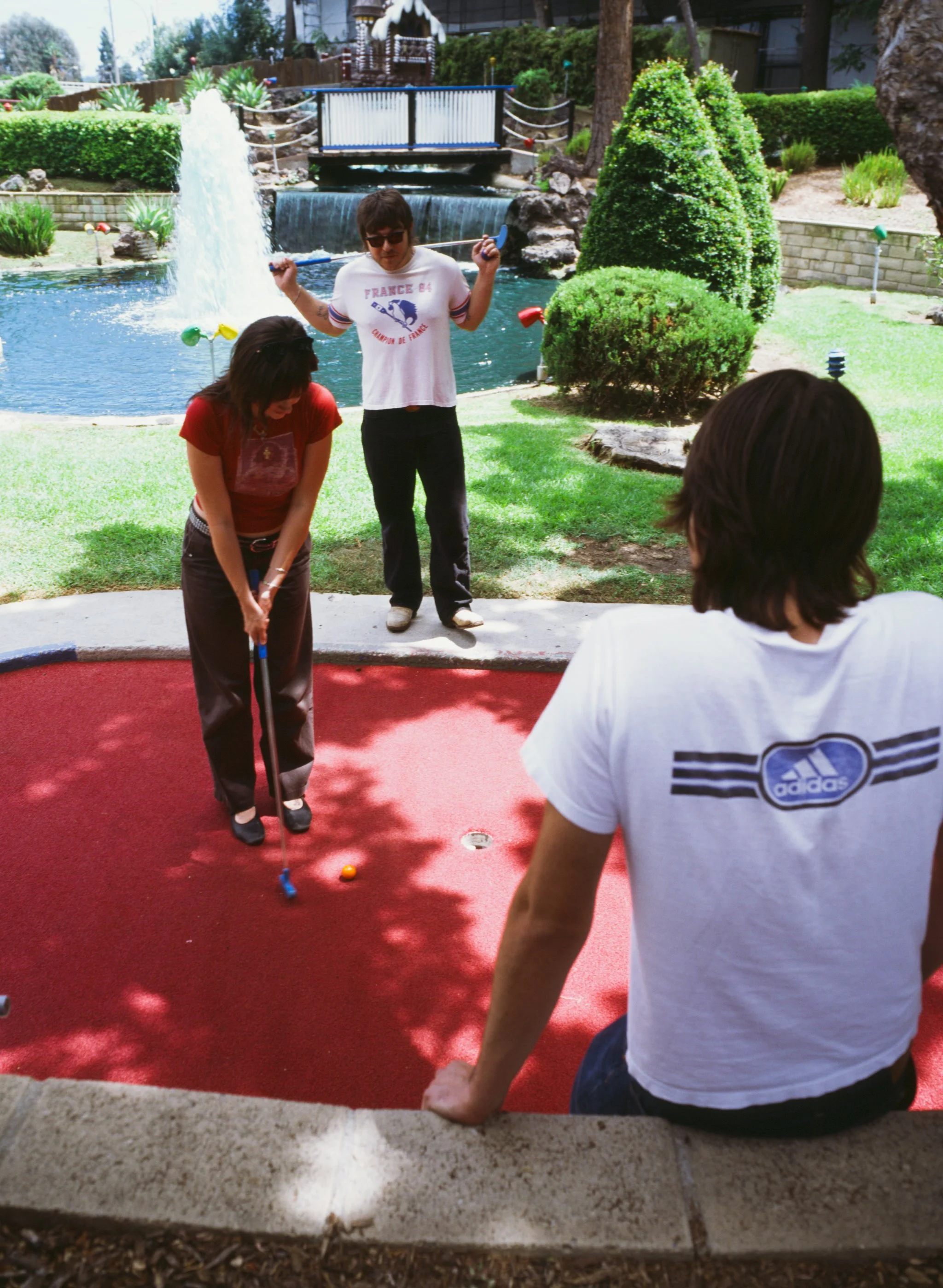
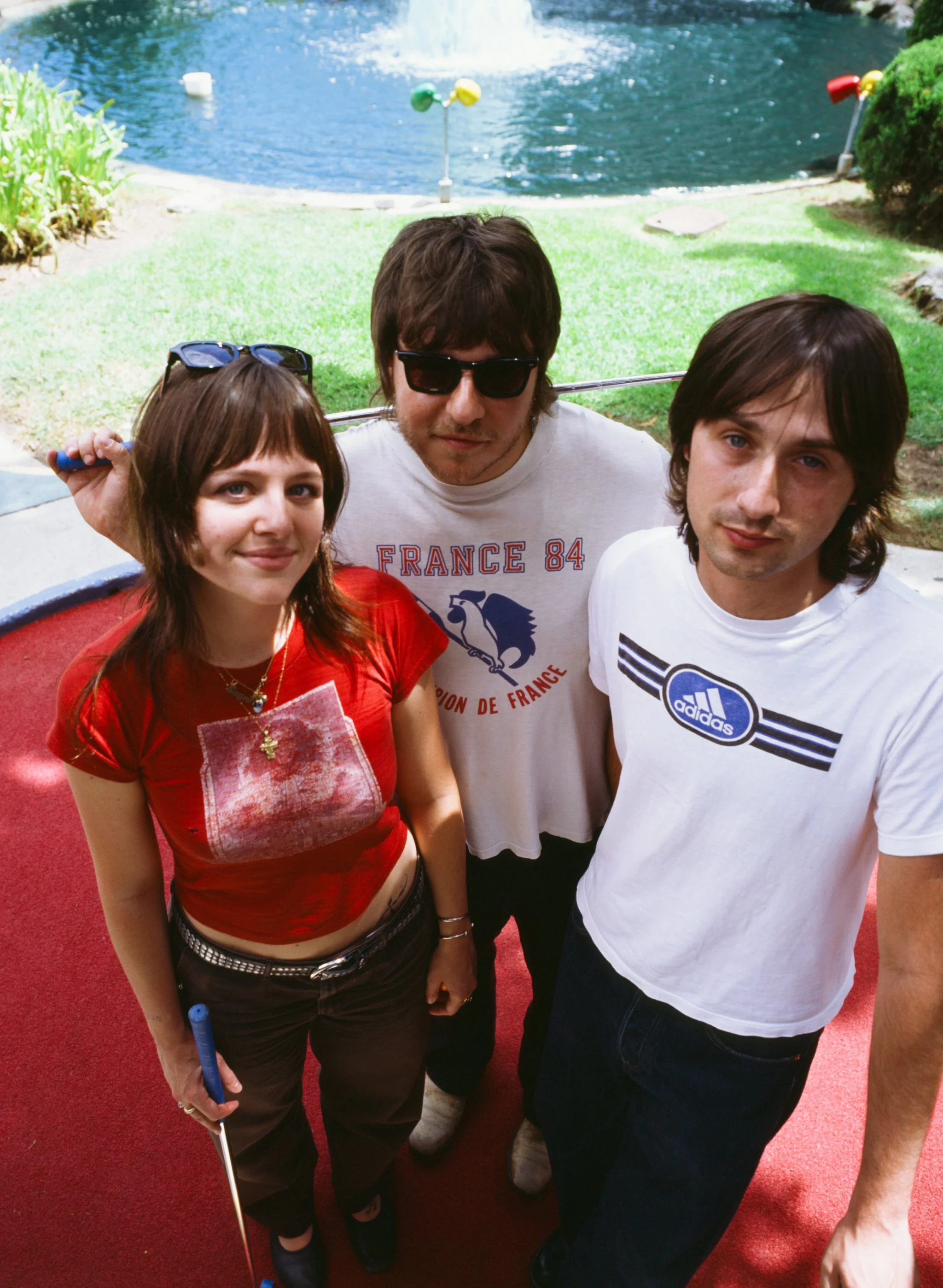
‘We were going to suggest that we go bowling, but then we didn’t want to make you feel bad.’ Alithea says gently. I ask what she means. ‘Oh, we are really good at bowling.’ I ask what they’re scoring. ‘One ninety, two hundred easy - every time.’ Desi attests. ‘Oh turkeys? Uh, yeah, we get turkeys.’
We pay our bills and step back into the scorching mid-day sun. As we pull into the expansive parking lot of Castle Park, I realize that there would be no relief from the summer sun, its decorative mote and bright-blue fountains evaporating more quickly than they can be resupplied.
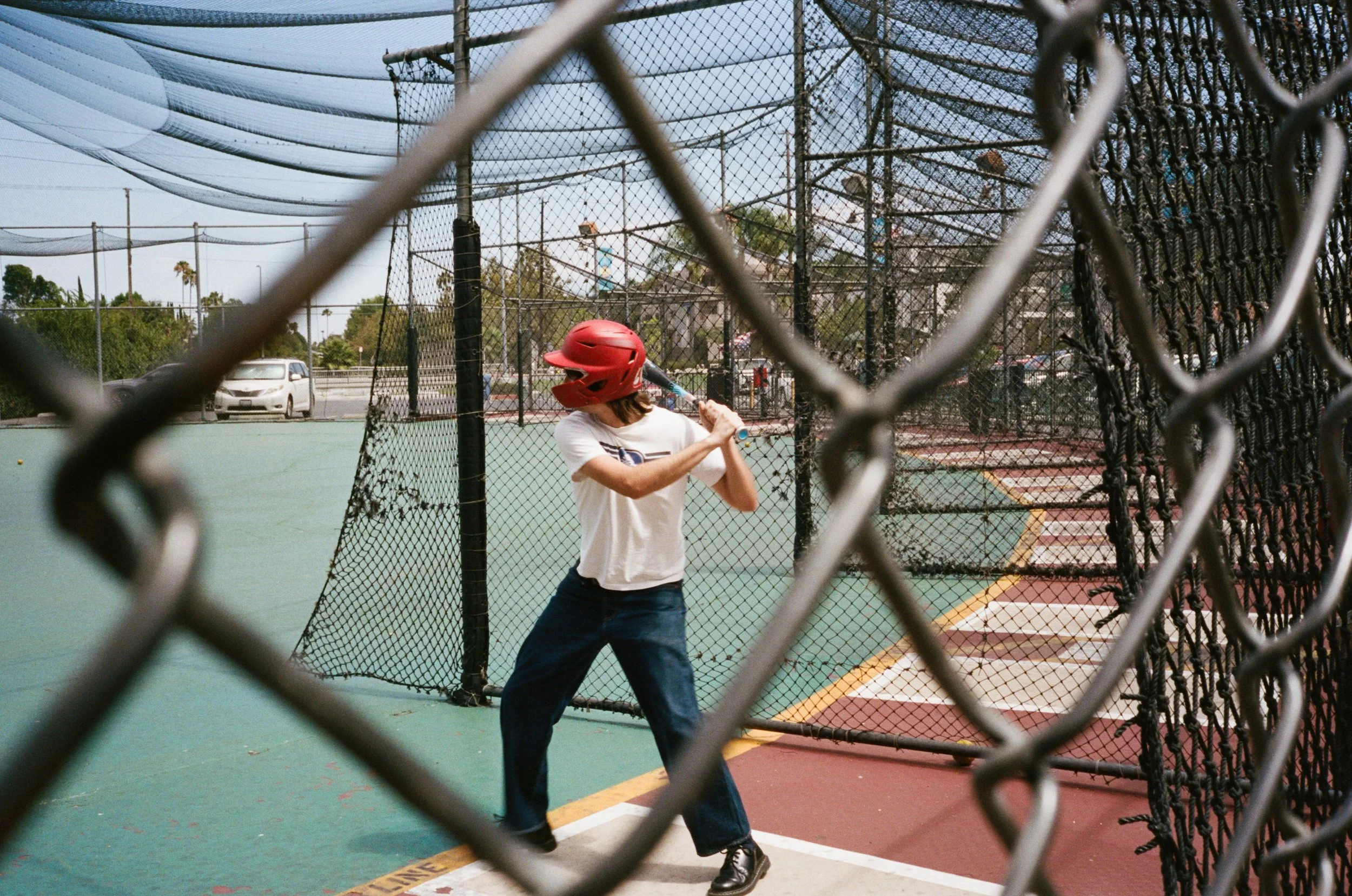
‘They have a fucking batting cage?’ I ask. ‘If you take a ninety-mile fast ball to the chest, they give you a plaque in the cement.’ Baron says. ‘It’s an initiation ritual.’ We pay the fee and are handed four brightly-colored balls and clubs, drink deep from the water dispenser, and set out for hole one of eighteen.
The gripe I have with Los Angeles’ music scene at the moment is that quite a bit of it sounds like a worse bit of something else: this band sounds like a worse Alex G; this band sounds like a worse Deftones. This isn’t true for all of it, but a fair amount, and in speaking to friends from Los Angeles who feel the same, they note a theory: very often, Los Angeles is where the rest of the country’s musicians funnel to.
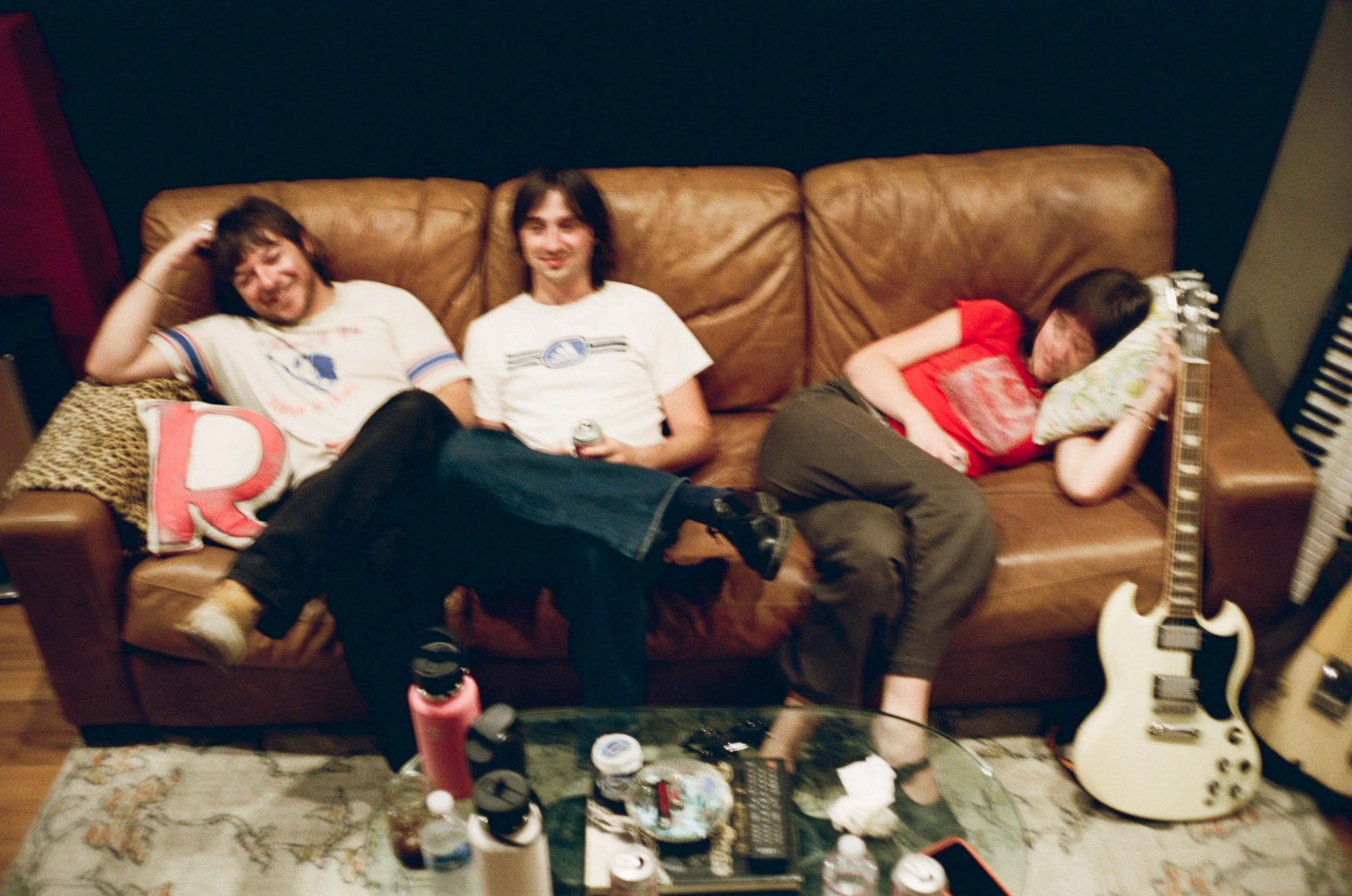
LA, the land of opportunity that it is, takes in the wayward and often underdeveloped creative, and so the city’s music scene, I do not believe it would be controversial to say, is often forced to carry the weight of those worse things - worse things that, perhaps in recognizing their state of relative mediocrity, try to compensate by being the cooler things, and often by unfortunate miscalculation, the more inauthentic, more dickish, more synthetic things.
Rocket doesn’t have that problem.
On stage, they play music that doesn’t immediately ping in the mind of the listener as being much like another band from another time, nor does their attitude - as so many of their contemporaries do - make me feel like they hate me, or that by buying a ticket to their show, that I am the enemy. Rocket makes music that stands on its own, that doesn’t need blustering or antagonism to be appreciated.
On the pitch at Castle Park, tensions were high. A friendly competitiveness took hold as Desi, Alithea, and Baron faced each other as well as team Monster Children - myself, and photographers Chloe Flaherty and Gabe Long.
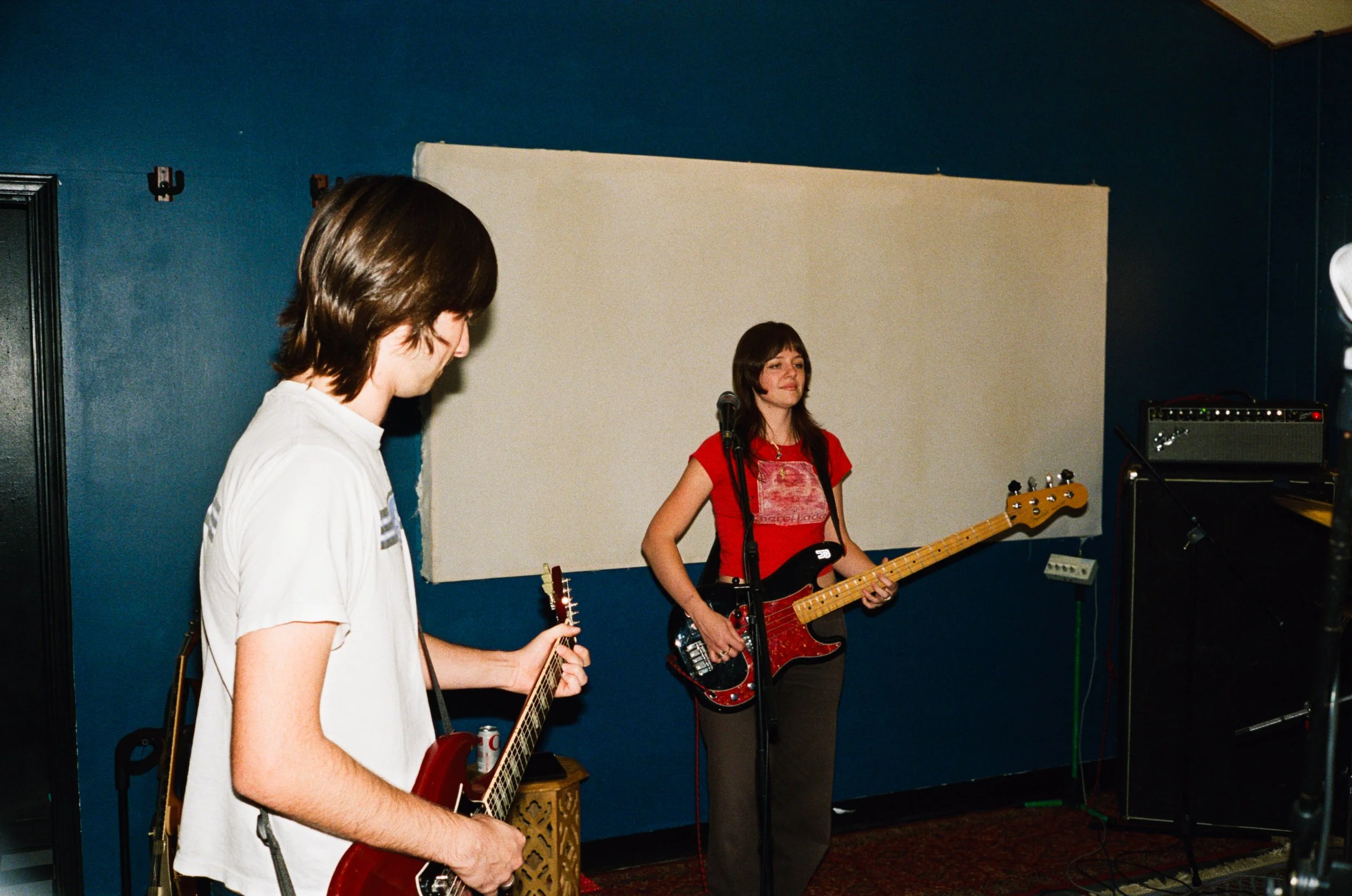
It must be said that Team Monster Children was absolutely fucking them up at mini golf, but morale shriveled in the heat, unlike Rocket who had likely grown accustomed to high performance under the heat of stage lights. However, by hole nine or ten, the group lost focus and we lost heart, our collective commitment disintegrating until we were throwing our balls overhand into the gulch of whichever obstacle we thought looked the wackiest.
The interview - if there ever really was one - meandered from topic to topic, none of which could be seen as serious, or even relevant to the topic of the band or its music, and much of which, I did not think could be ethically included in this profile.
‘Desi was into magic.’ says Alithea. ‘It’s true. I was.’ says Desi. ‘It’s all coming out, now,’ I thought, sweating through my shirt wondering when we would be allowed to leave this children’s play park. ‘He has a magical vibe. We should have taken them to the Magic Castle.’ says Alithea, with some retrospective regret. ‘The Magic Castle? More like the magic asshole.’ says Baron.
We decided to call it quits on the course, having gotten just over half way through. Desi won, or perhaps Baron - it’s hard to tell in all of the underhanded cheating we all participated in. On the way out, we decided to stop at the batting cages to blast the fuck out of some underhand thirties, before heading finally to Rocket’s devoted practice space, a multi-room studio tucked into an industrial park just a mile or so from the putt-putt.
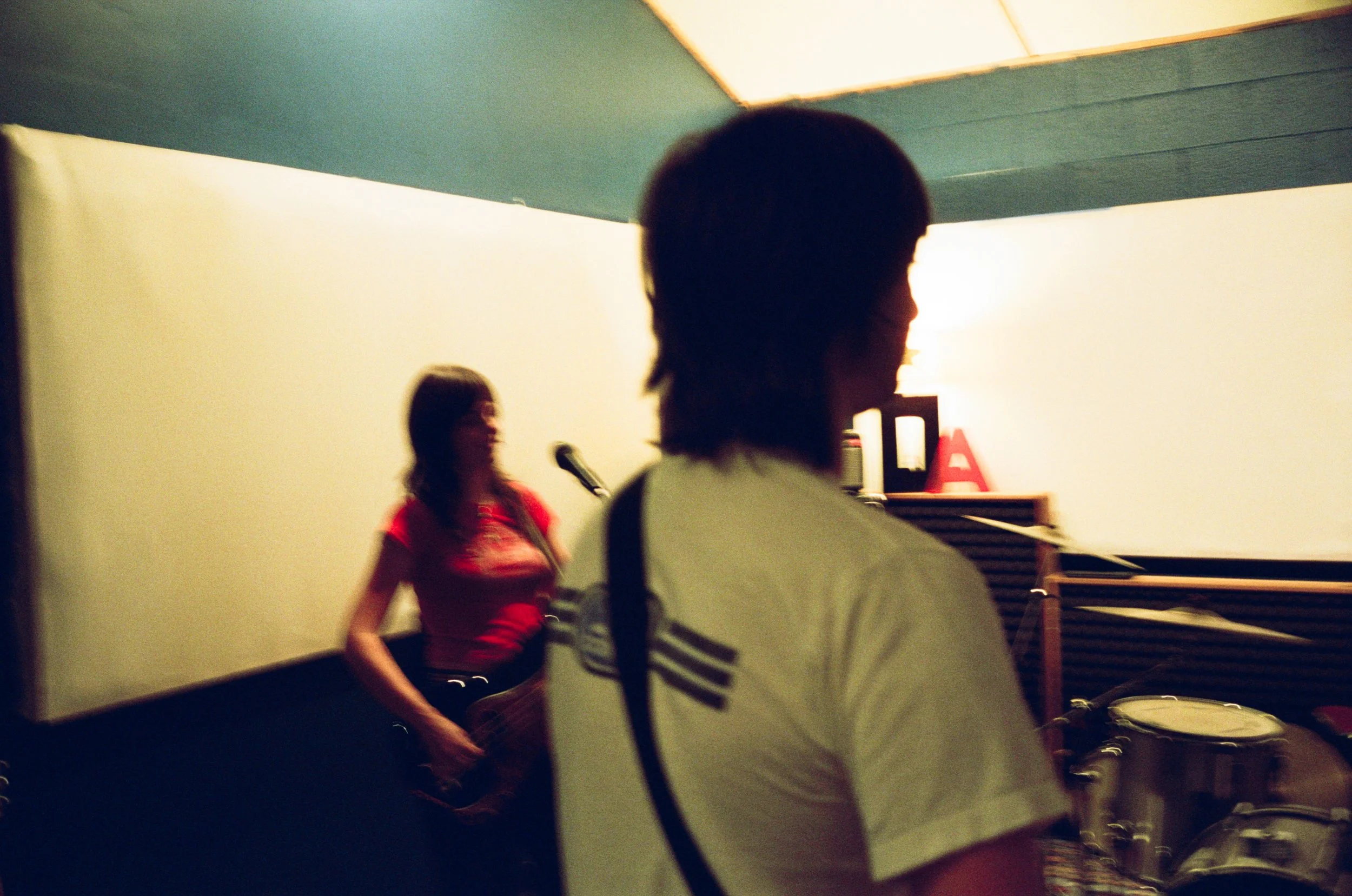
The studio was a comfortable space. A mini-fridge with water and Diet Coke; walls adorned with personal memorabilia of inside jokes and strange trips; a knit banner bearing their title. Far from stuffy, this was a place which was truly loved. The band plugged in their instruments. ‘Any Spongebob fans in the crowd?’ and in they dove, to renditions of Squarepants’ early catalog, scanning between ‘12th Street Rag’ and other beloved hits of the genre.
‘Why’s it called that?’ one calls to another through ear plugs.
‘Why’s anything called anything?’
Finally, if only momentarily, they ripped into chords that, even in that small studio room, felt big. How much can be done to capture the sound and strength of a band like Rocket when short a drummer? Not very much, but it is remarkable how easily and quickly they are able to fall into each other’s sound and rhythm with precision, and most notably, with joy.
Hanging out with Alithea, Baron, and Desi, at a music studio or a diner or a mini golf course, there is a palpable and undeniable joy, something that often escapes the music scenes of today.
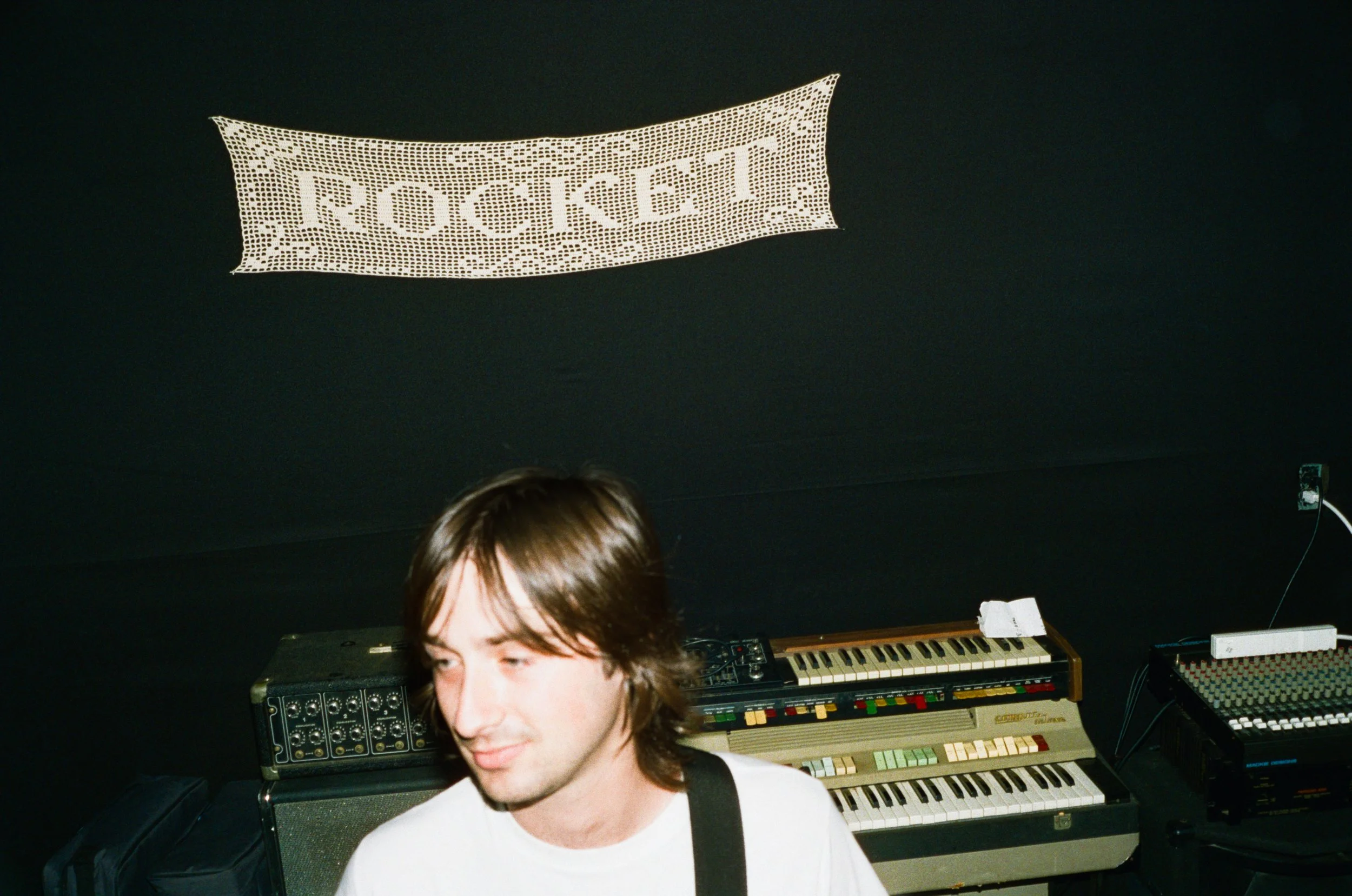
This is supposed to be fun - making music and playing it for people. Being an artist is meant to be an endeavor of joy, worthy of sacrificing a normal life for, worthy or sweating for, worthy of caring for. Too often, artists feel that in order to be legitimate, they need to be troubled, or even abrasive, but rather than an avenue toward authenticity, it is a very effective route toward dismissal.
A band like Rocket makes good music and has fun doing it. Alithea, Desi, Cooper, and Baron are real people. Strange, beautiful, welcoming, funny, talented, imperfect, joyous, authentic people. And though they take their music seriously, you can hear their joy in the tracks, or on stage, or backstage pulling pranks, or strumming in their studio. They’re a good band because they’re good people; because they care, because they work hard at their craft, and because, rather than spending their time trying to convince you or me that they’re cool, they just are.