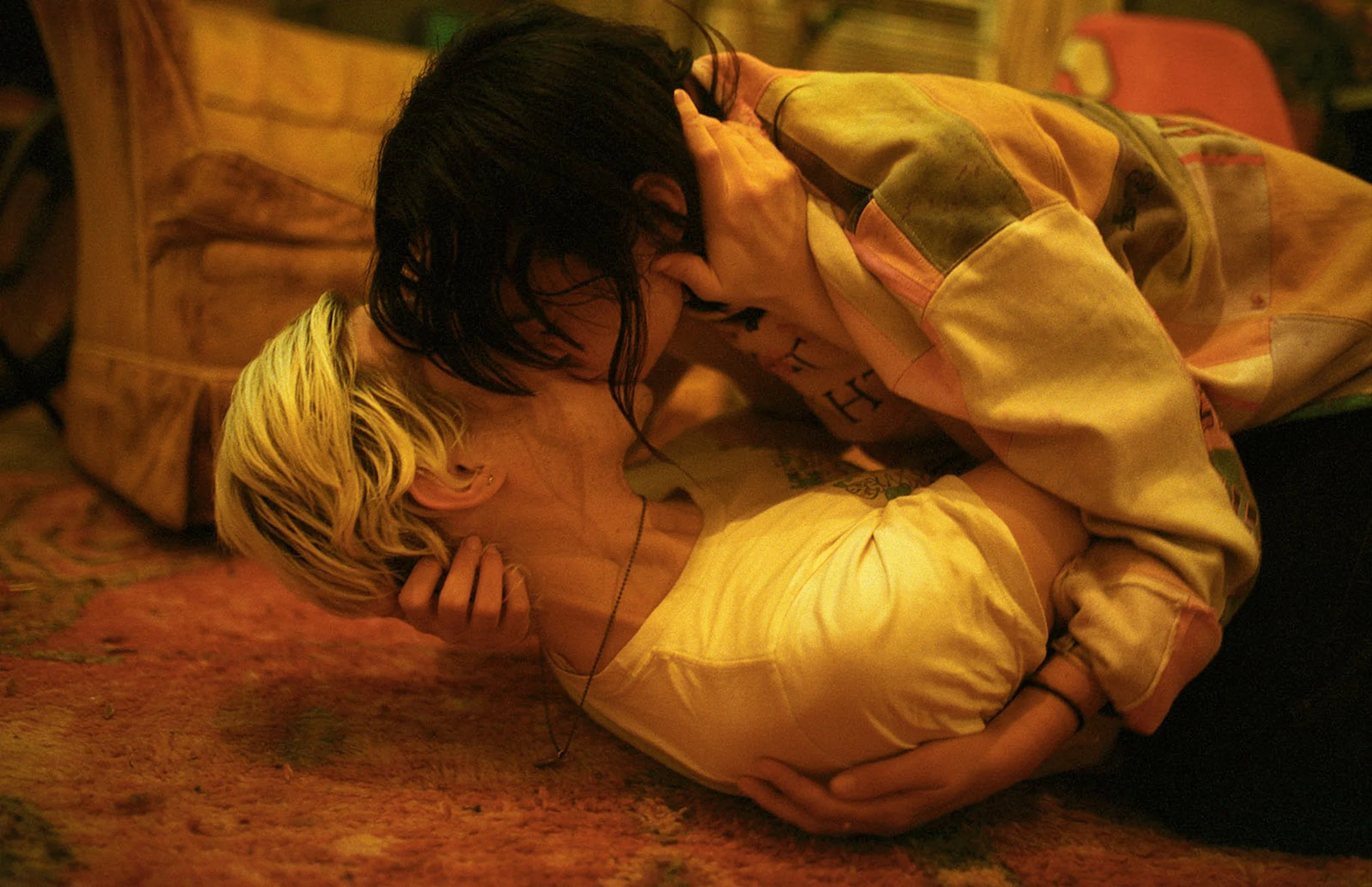
I met photographer Chad Moore on a rainy day in October at a cafe in Chinatown, Manhattan.
His sweater had brightly colored patches repairing holes and for such an established professional, he was strikingly gentle - all smiles, very endearing. ‘My voice doesn’t carry, so this will work,’ he said when putting in a headset with a microphone to record his portion of the interview over the noise of the cafe.
Much like the tone of the images that he produces, Chad is a man at ease; painfully sincere, perfectly comfortable and more than willing to engage with whichever concept might be put to him. In the interview which you are about to read, he talked about how he has shot the same people for something like fifteen years, and about how developing those relationships with his subjects is how he’s been able to photograph with such earnestness. ‘When something is faked, you can just tell,’ he explained, but I would take it a step beyond his humility to submit that given his disposition, it would be difficult for him to photograph in any way other than with the extreme intimacy that he does.
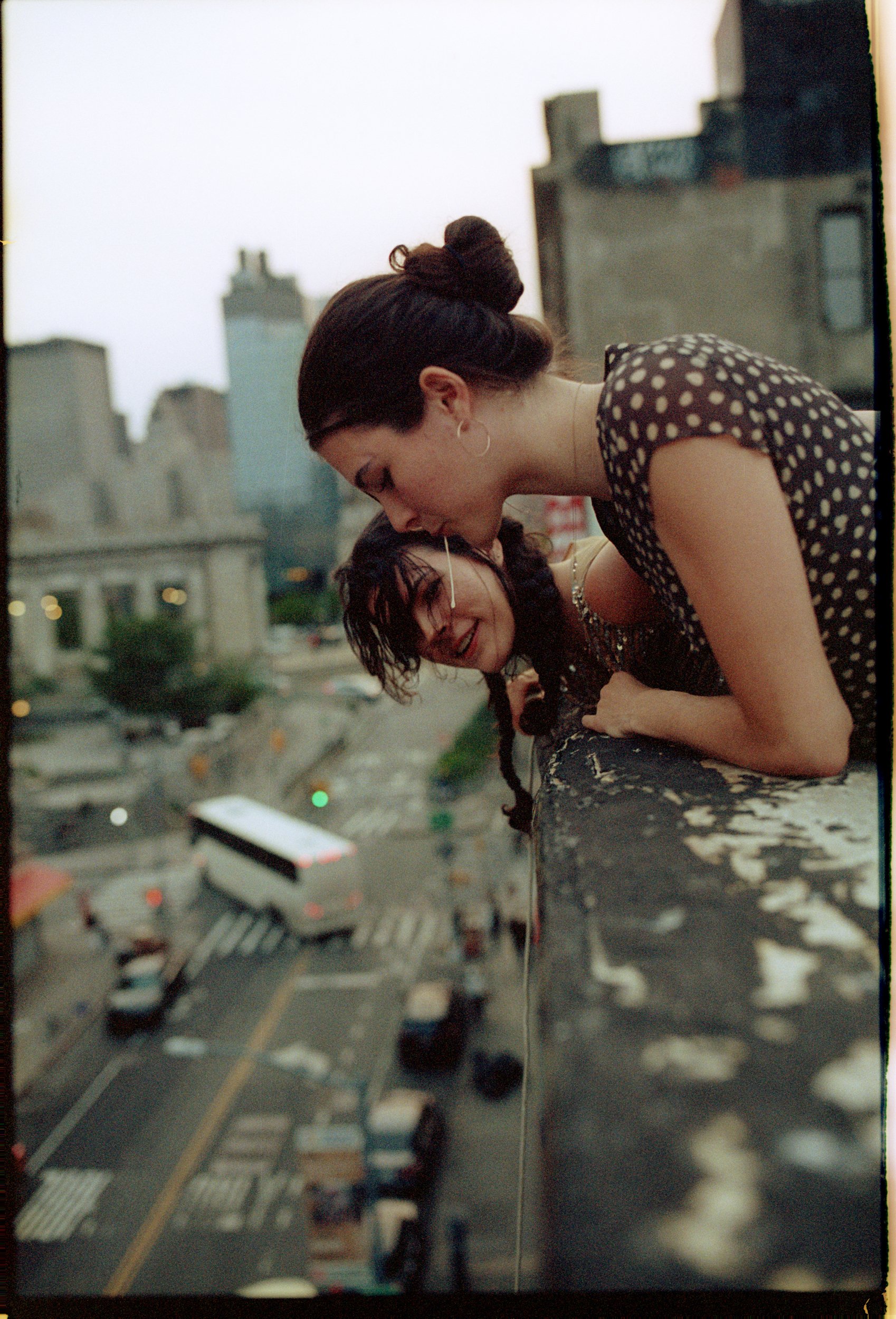
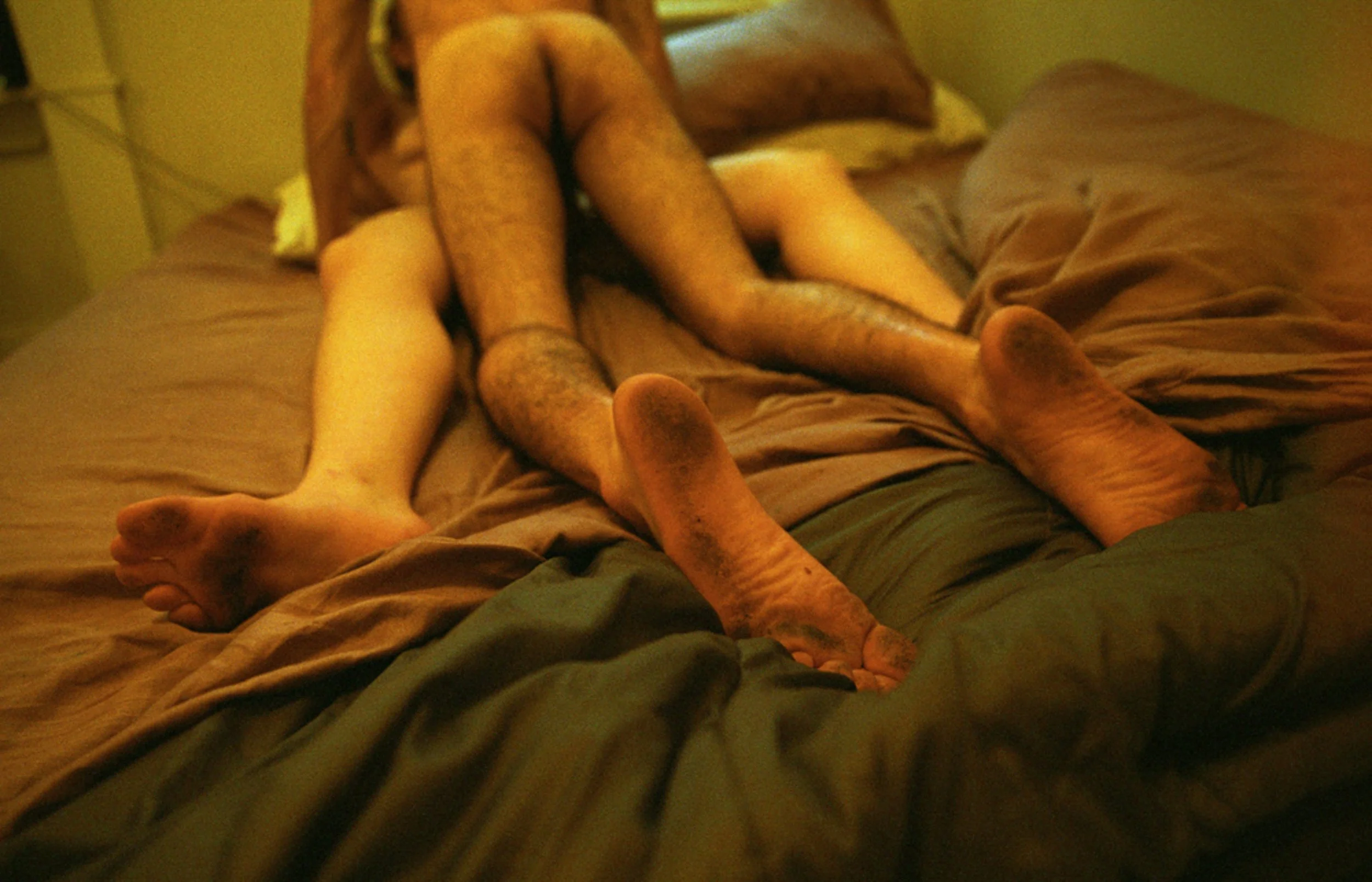
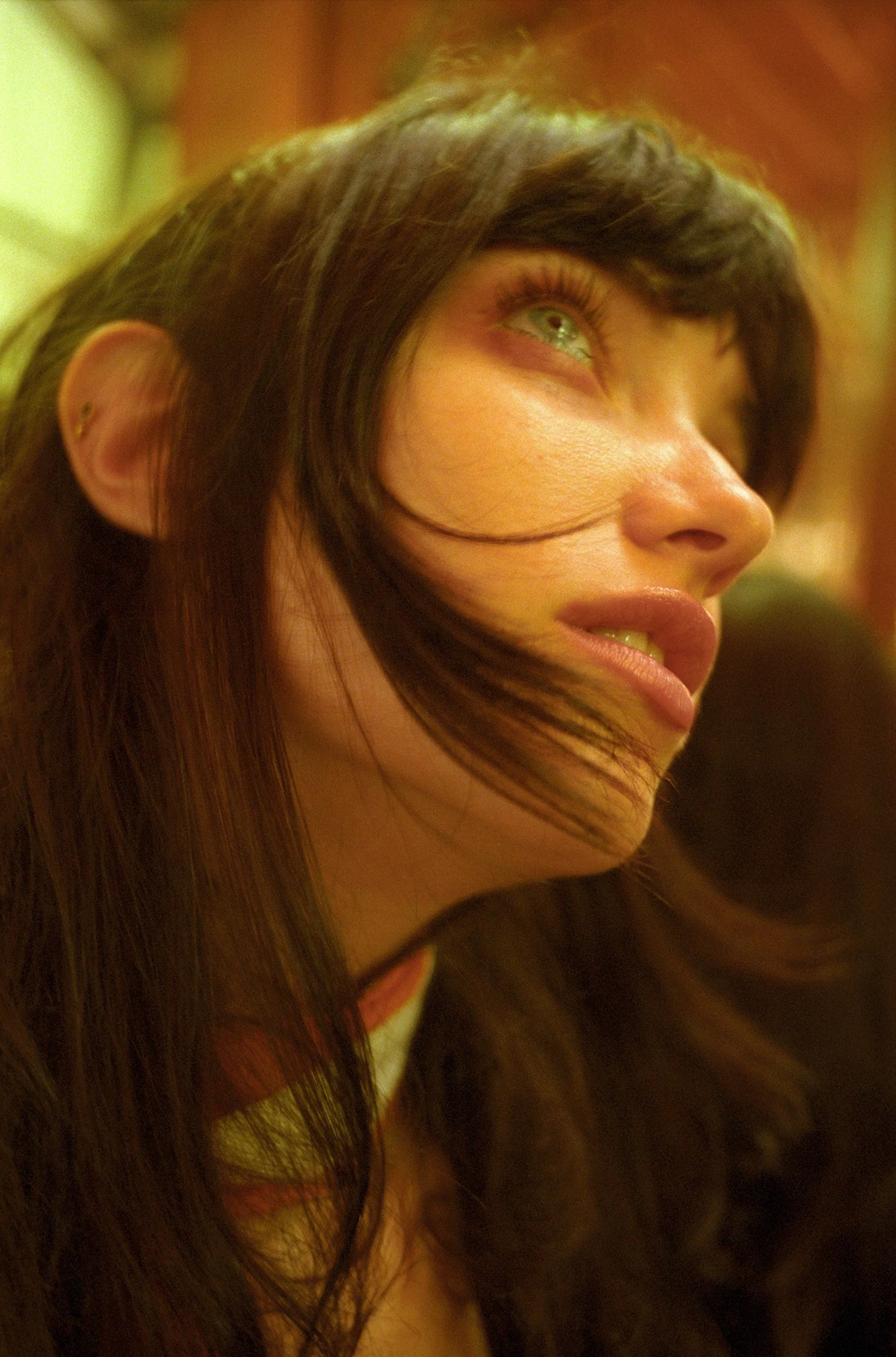
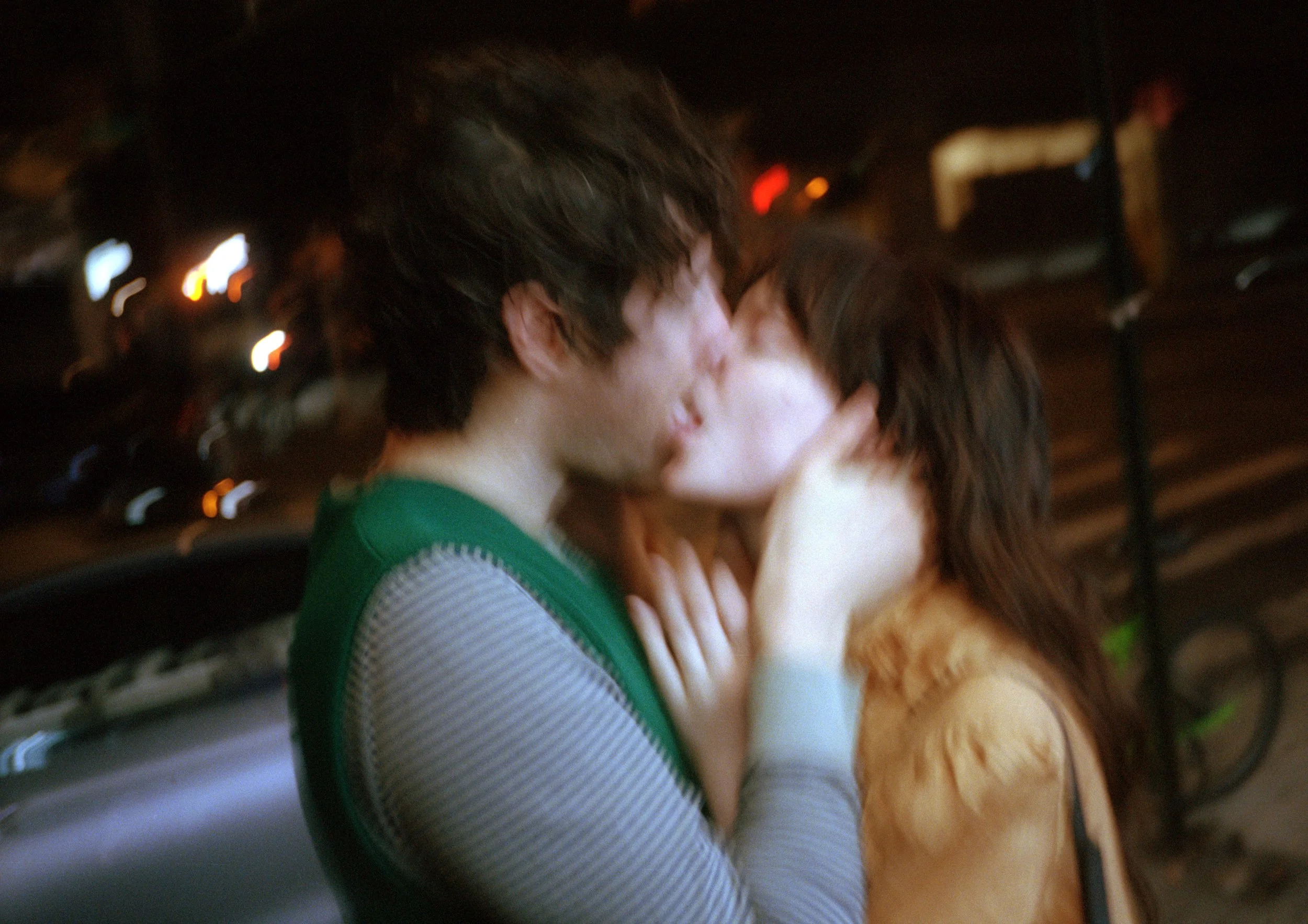
His portraits are naturally lit, circumstantial, piercing, and exceedingly close - seeking to be closer. His photographs feel like they are not showing you the subject but trying to see into them. They capture moments but feel more like the moment just before or after the memory - just before lips touch for the first time, before spit drips from a mouth onto some poor fucker’s head, the half-second before ‘goodbye’ after staying out all night together.
Chad Moore’s disposition is his photography - gentle, earnest, observant, and ever-closer.
Get the print issue where this piece originally appeared, issue 74, here.
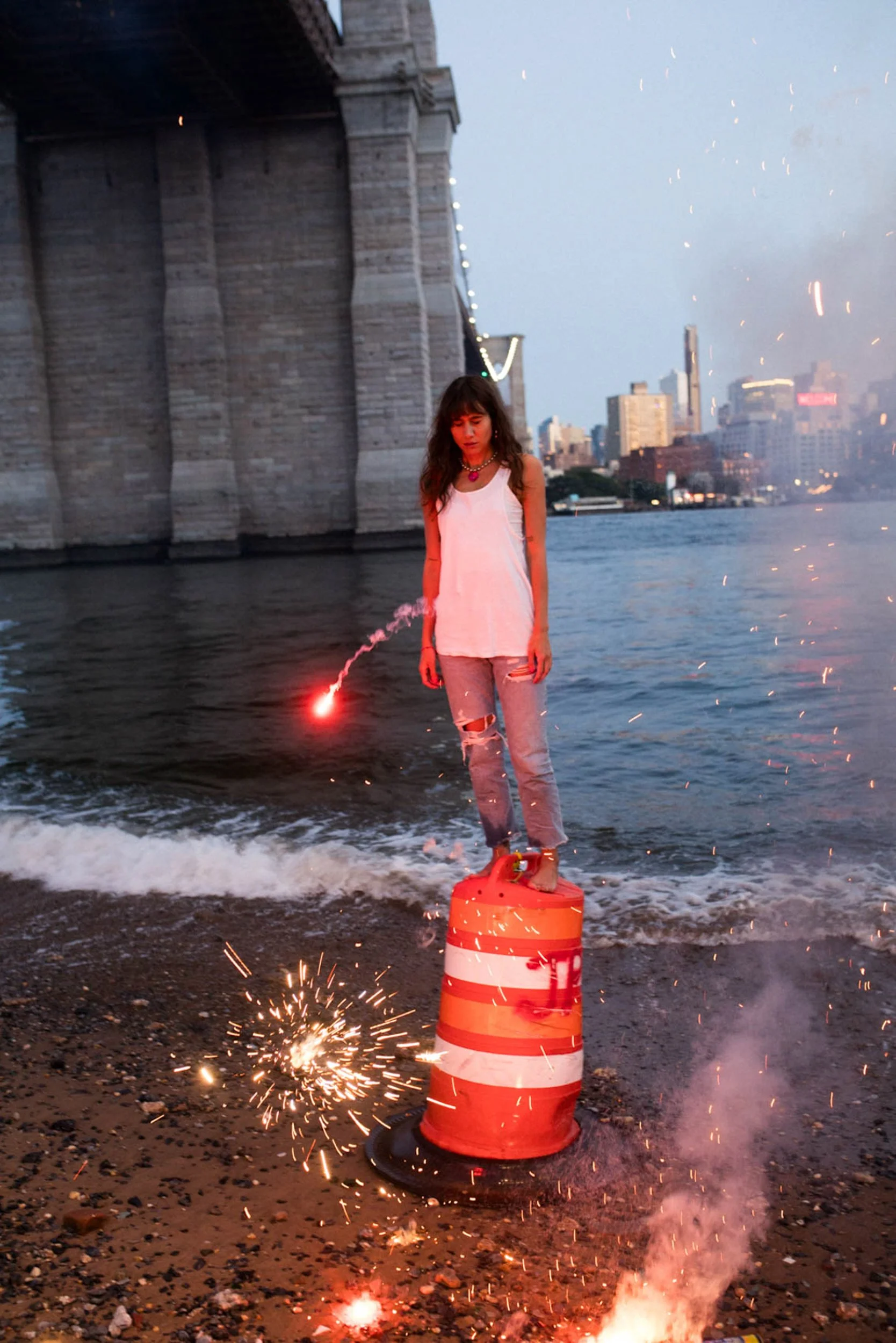
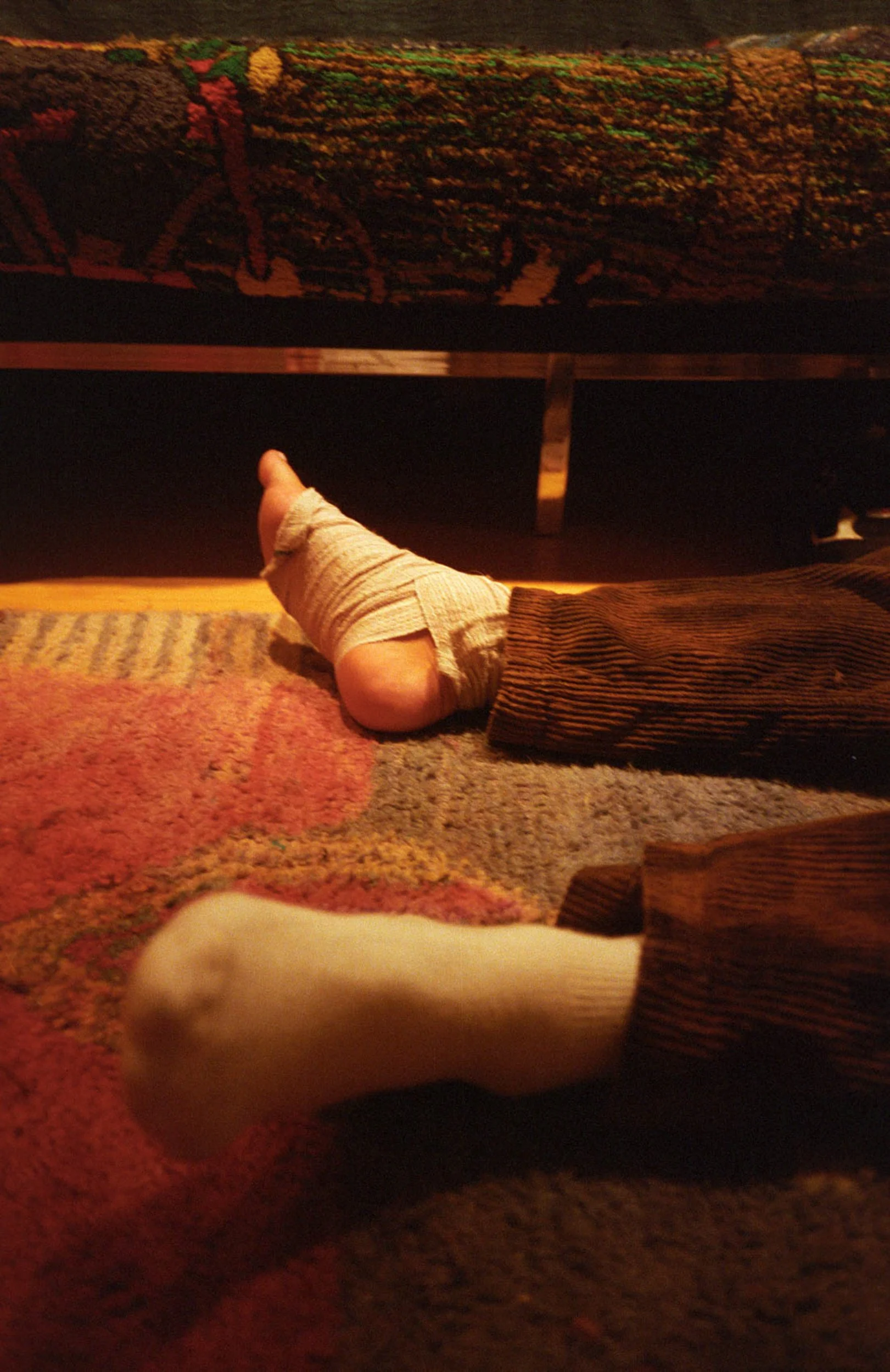
Are we allowed to talk about what we just talked about?
Nah, I don’t want to put it in there, I don’t want to jinx it.
Alright then I’ll re-ask the question: what do you have going on these days?
Now I’m trying to think of a good answer. I’ve been working on a few different things – I plan on spending most of 2026 traveling. My work is very organic, but I wanted to focus on shoots that are more staged. I’ve been doing that a lot, where people don’t realize that it’s set up. I like the idea of putting people in a situation and it's based on contingency and how they operate in that situation.
How much of your photography is being constructed? What hand do you have in direction?
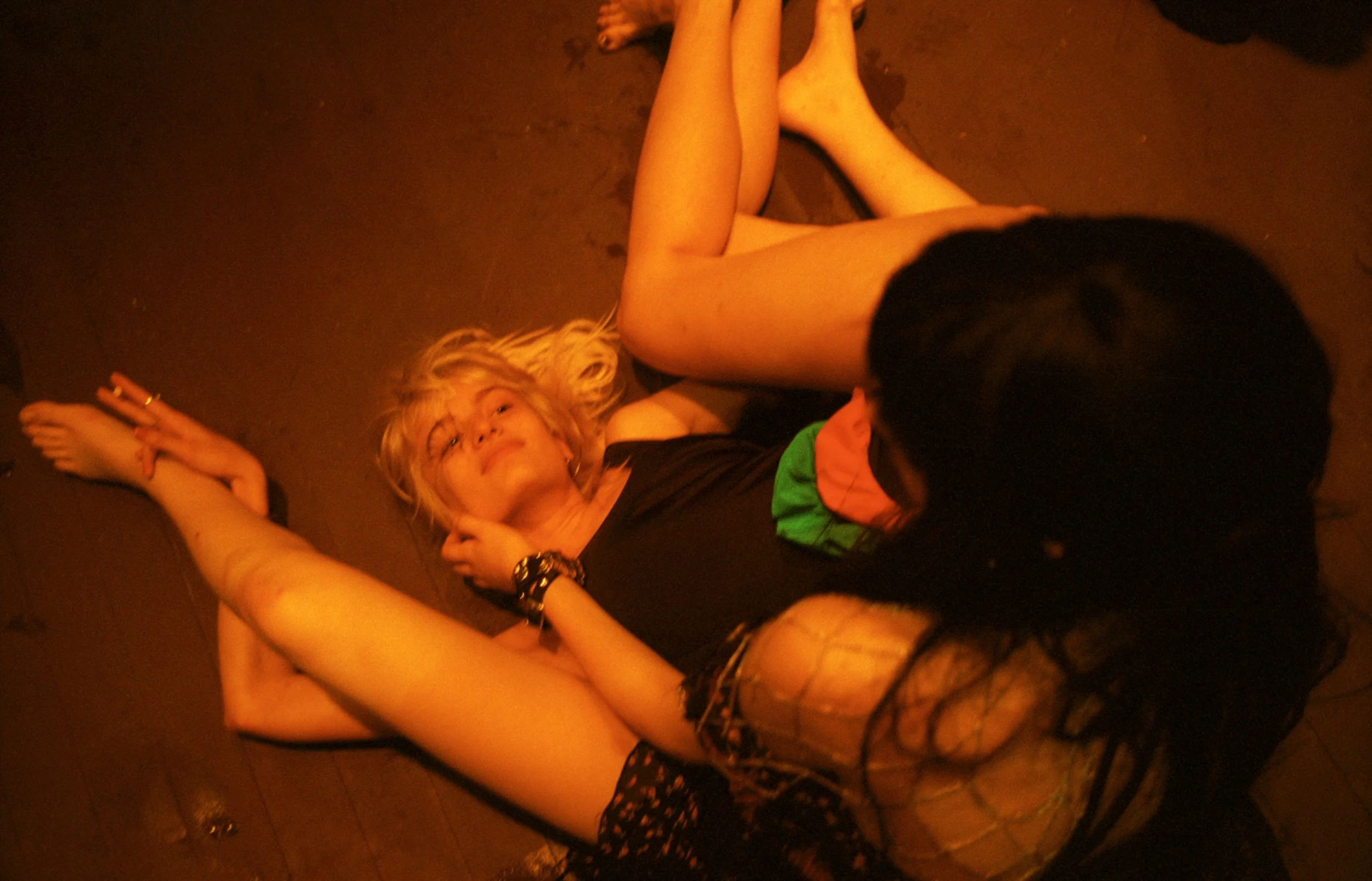
It’s not so much about instruction, it’s about the contingency of someone operating in an environment. Most of the people that I photograph are the same people for the last fifteen years, but it’s New York City, you meet so many people, and I love crazy people. It’s more about the subject than me directing them. There are so many people that are amazing to photograph because they give you everything, without even needing to ask.
Do you find that that strategy is difficult to translate to your commercial stuff?
That’s a lot about casting. For me, it’s really hard sometimes because they’re models, so they’re told they’re supposed to pose a certain way. What I do a lot is use these face cards. They’re made for like, kindergarten kids. It’s basically a hundred different drawings of faces that are like, anxiety, or laughter, and I’ll have an assistant show these people the face cards and ask them to make the face, and it’ll break down the barrier and they’ll loosen up. It’s my ultimate tool to get someone to loosen up if they’re being too posey. But again, the people that I choose to photograph, I don’t have to do that. When I’m doing fashion stuff, the people that I work with in casting, they know what I want or need in a person.
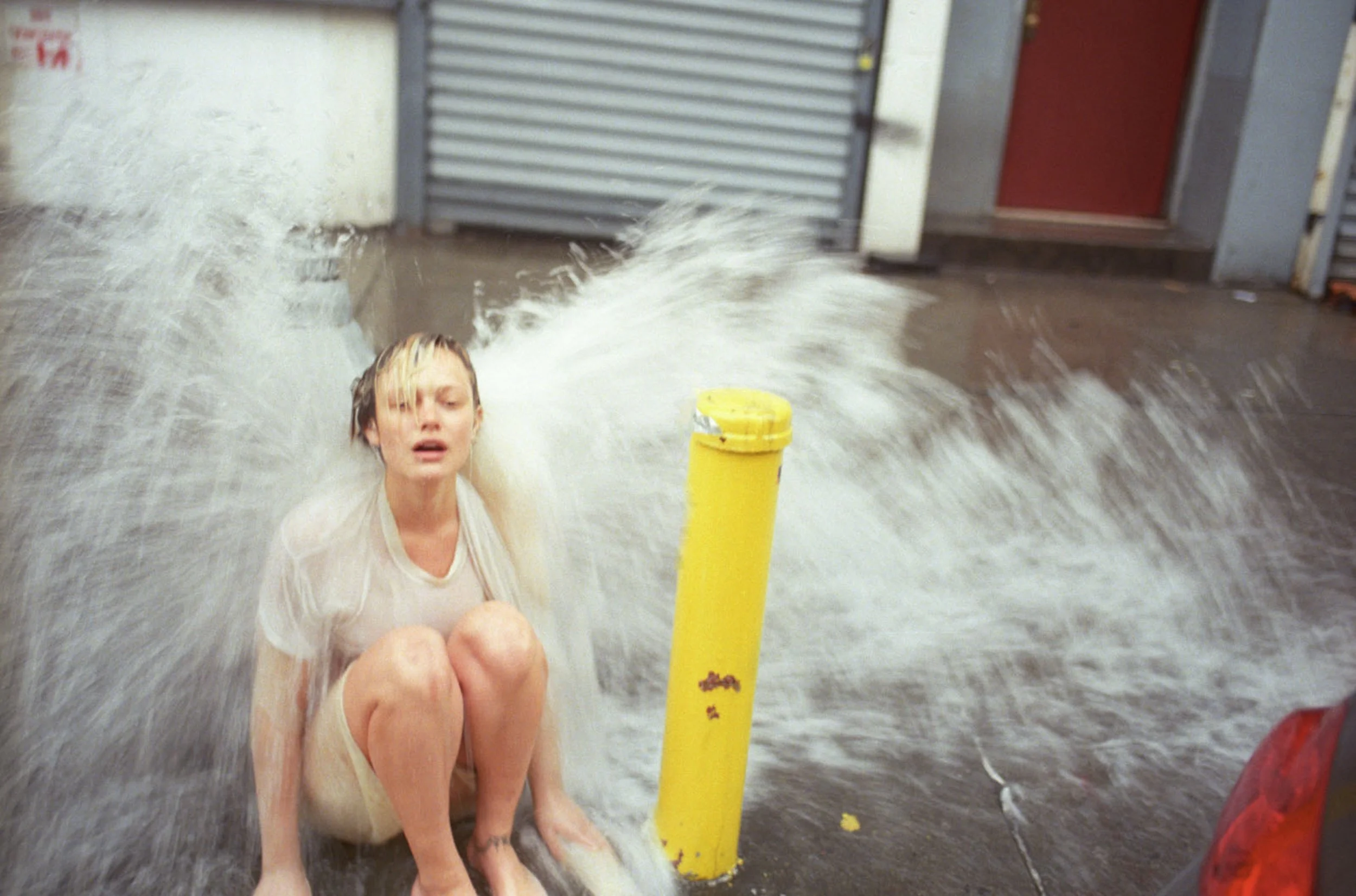
How much casting do you do? And what do you search for as a qualification?
I think it’s just the energy in the pictures. Some people love to use a person that’s really good at posing, but for me it's more about a big personality. Like I said, I collect crazy people.
How do you describe your portraits?
I mean, photography to me is kind of a boring idea, but it’s my way of showing adoration to the people that I care about. It’s something that I have to do, which sounds very cliché. Not about the fleeting moment or something like that- again, it’s the same people in all of my photographs. I actually brought some books we can look through that might make it easier.
[Referencing Chad Moore’s Anybody Anyway] Looking through this, it seems that you get very intimate – extremely, extremely close.
These are the same people, and while I think that sometimes I annoy my friends, this is what I do, and so I think they trust me to do that.
What draws you to trying to get that close?
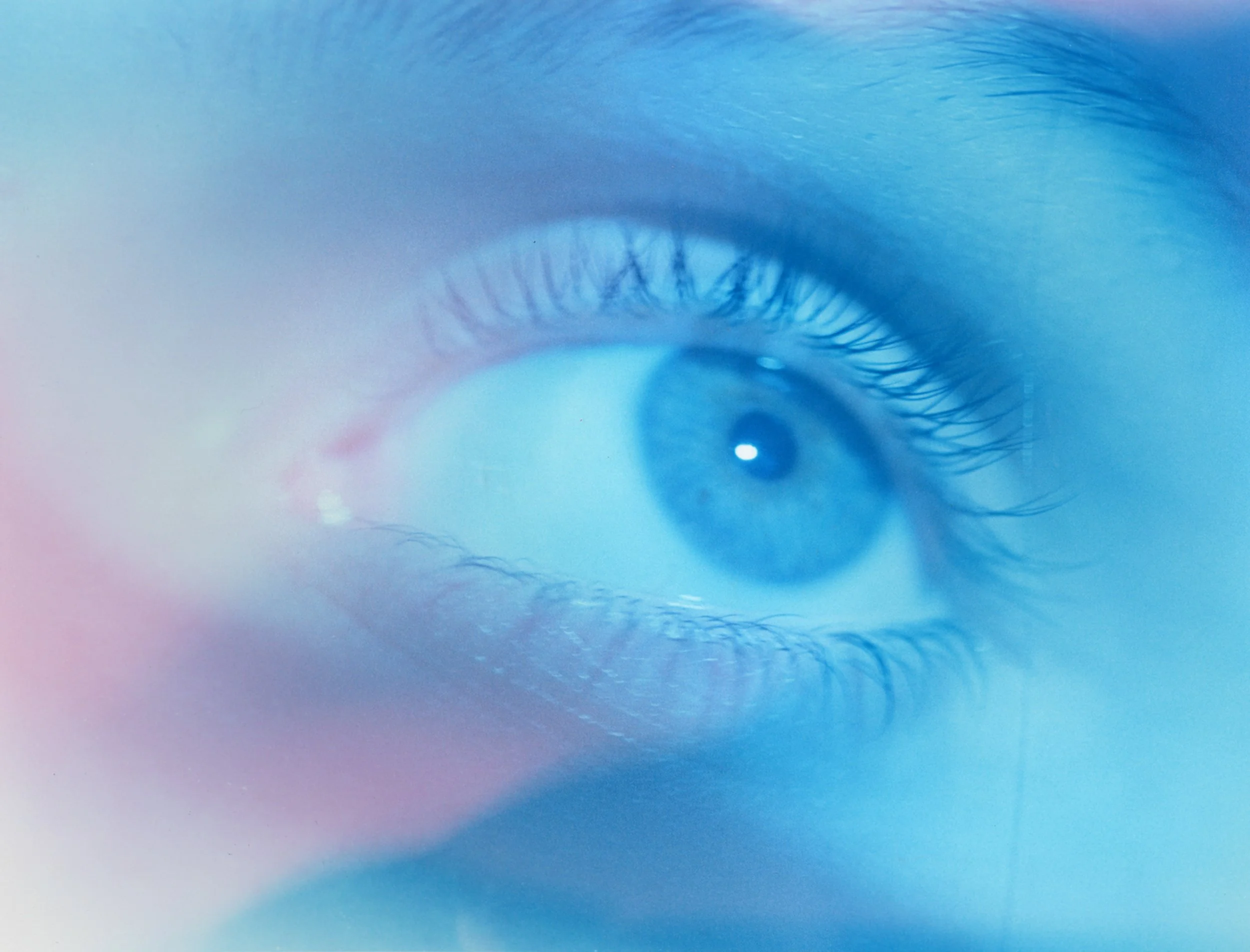
It’s funny, someone the other day asked me why everything is so close, but I don’t know. I think of it like, you’re talking to someone, so if I took a picture of them, that’s what it would look like. And you can kind of tell, just because you’ve been around these people for so long, when they’re going to sigh, when they’re going to cry – it’s almost through your eyes.
So when you’re making your personal stuff, it doesn’t seem very easily translatable to paid stuff.
I think you just have to find your team who understand what you do and who let you do what you do. I do fashion stuff with this great creative director, and he was like, ‘I want you to do what you do, Chad.’ I mean, it’s very rare, but that guy gets it. When it doesn’t work that way, you have to just go in and try to make the best thing that you can. It is very devastating when they’re like, ‘we want a black and white studio photo,’ and I’m like, ‘why did you hire me?’
It seems to me that especially in all sorts of commercial art, it’s become very safe and homogenous.
Everyone loves a reference, but it’s gotten to the point where people will send me a reference of a fashion editorial from last year, like a Harley Weir picture, and I love Harley to death, but I’m not Harley, I can’t do Harley. They should just get Harley. Harley’s photos look so beautiful, I’m not going to try to copy her just because you couldn’t get her.
How’d you start in all this?
I used to ride BMX bikes professionally when I was like fourteen or fifteen with these older guys down in Florida. You go on a road trip and you always bring a photographer, and one of them gave me a T4. You know how it is, same with skateboarding, it’s just a natural thing to take photos. I took darkroom classes in high school and really loved to copy Richard Avedon. A few of my friends moved to New York when I was in college in Florida and they had this crazy loft in Williamsburg. It was like two grand and had six people living there. I took the Amtrak to New York, and from there, a friend of mine who was a BMX photographer saw a bulletin board that said Ryan McGinley was looking for an assistant. I didn’t know that working for someone was a way to become a photographer. So I went in and got hired at Ryan’s studio and we became best friends, and that was kind of the beginning of everything. Actually, Monster Children was my first cover!
Oh yeah!
Me and Ryan spent a summer going into all of these caves and taking photos, - it was fucking insane. It’s like the only untouched thing in the world, super sacred, you’d have to get like GPS coordinates and go in the middle of the night, and I remember getting an email from Monster Children asking to publish my photo and it was awesome!
I notice that all of the portraits are very close and all of the nature stuff is very distant and vast.
I do the night skies because I thought that the sky had some kind of humanity in it. Maybe that sounds too poetic, but think about it: the stars and the sunset. I also really love astrology stuff, so. And you don’t need a subject to be there. I kind of just started working on my own. I’d help Ryan out doing editing, but my work has always existed in the form of books and exhibitions and stuff like that, and obviously it started small.
How do you think all of that helped you to develop your style?
I mean, with photography especially, you kind of just figure out what you want from it. Everyone has a point and shoot, so you just take party pictures or whatever but then you lean into the intimacy or whatever.
You shoot mostly film, right?
Yeah mostly 35mm film. Medium format is too big, but I always have a camera on me.
What draws you to that medium and sticks you to it?
I mean, I can’t bring around a medium format camera, it’d be too big.
You could bring a digital Ricoh…
Kind of. Film is too fucking expensive, but I also hate the Stay Broke Shoot Film thing, because who cares? You know what I mean? It’s just what I’m used to, and there aren’t many digital cameras that are a T4, you know? It’s also the way that it looks – 35mm looks… I don’t want to retouch something to look like film. If you’re going to shoot digital, it has to just look like a raw file. You have to either just do it or not do it.
Earlier you were saying you exist through books and showcases, you shoot film – you’re all about physical formats. Especially in this digital age, why is that or what is the appeal?
I think that books are cool in that they are attainable. I show a lot in Japan, and there are so many kids that show up to these openings, it’s really beautiful, but they can’t afford to buy a really expensive print, but they can afford to buy a book. They get to take something back with them. You were just saying how people collect Monster Children covers – people want the Hedi Slimane cover or something, and I find that really endearing because we live on our screens. I don’t even post on Instagram that much because now you have to post like a twenty-slide carousel, and then I get self-conscious like is this a good post?
As a professional photographer, you pay your rent, you make books and shoot film. Kids I talk to these days just graduating from art school are very discouraged by the industry. What advice would you give them?
Well, it’s hard as fuck. I feel bad for people that went to school for photography or filmmaking.
What’d you go to school for? Philosophy?
No, you think I’m a fucking philosopher? I went to business school at the University of Tampa.
Oh, business! That’s why you’re a success.
No, the people that are doing business, they’re going to go work for their dad and move up. I realized quickly that I don’t have that. If I’m giving my advice, you have to just like… I met Agnes B. the designer who is a big patron of the arts, because I Facebook messaged this guy Chris Apple who runs the art program with Agnes. I was like, ‘hey, I wanna do a show with you guys,’ and he said that Agnes was in town and to bring some books to her hotel. So I drop them off and a few days later I get a call that Agnes wanted to buy a few different works and give me a show at the Howard Street store. You have to just hit people up.
Yeah, that’s the kind of story that I hear, and that’s true, but it’s also been untrue where you’re not supposed to go and seek it out, you’re supposed to just let things happen if they’re meant to be, you know what I mean?
I don’t believe that. I mean, anyone can take pictures that look like this; you have to reach out to people. Only .5% of the time will it work, but you have to. Like when I make these books, I think of people that I admire, an art director or an artist – it’s like $30 to ship this thing, and most of the time you don’t hear back, but every now and then someone’s like, ‘oh, I found this book!’ Coming back to commercial jobs, it’s about finding your people. Chris Apple and Agnes B. are my people. It takes a while. You’ve gotta see what happens.
What do you think is the role of style? Like, having your art be adaptable versus finding your niche.
I think in my work, it’s more about my relationship with the subject. You can obviously copy the style, but it probably won’t look the same. You can tell in the eyes, when someone trusts you, and you can tell when it’s faked. Photography is – more than how it’s shot on film or whatever- it’s almost 100% about your relationship with the subject. It’s about trust and collaboration.