
French Girls isn’t a film about French girls, nor one about skateboarders.
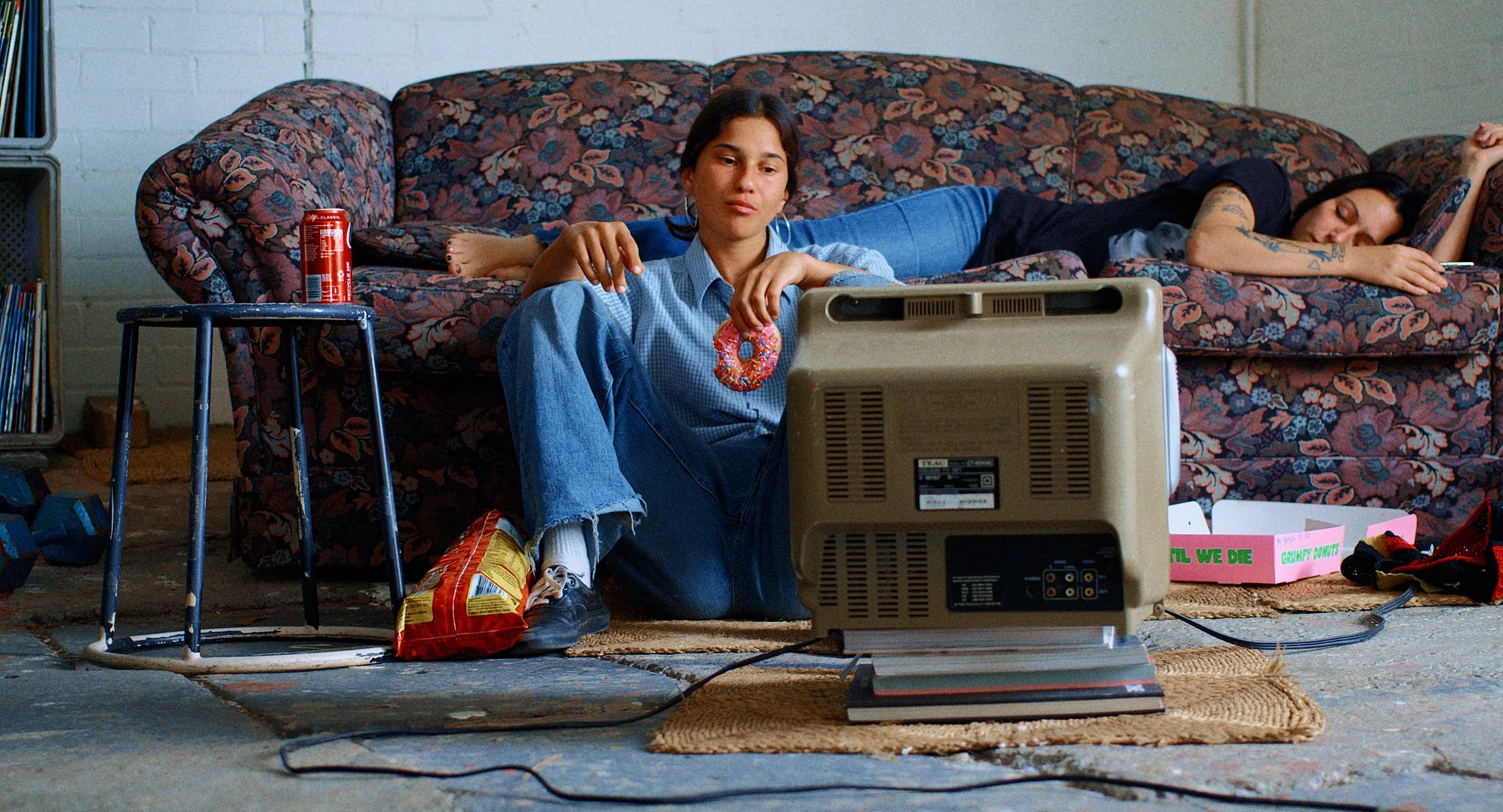
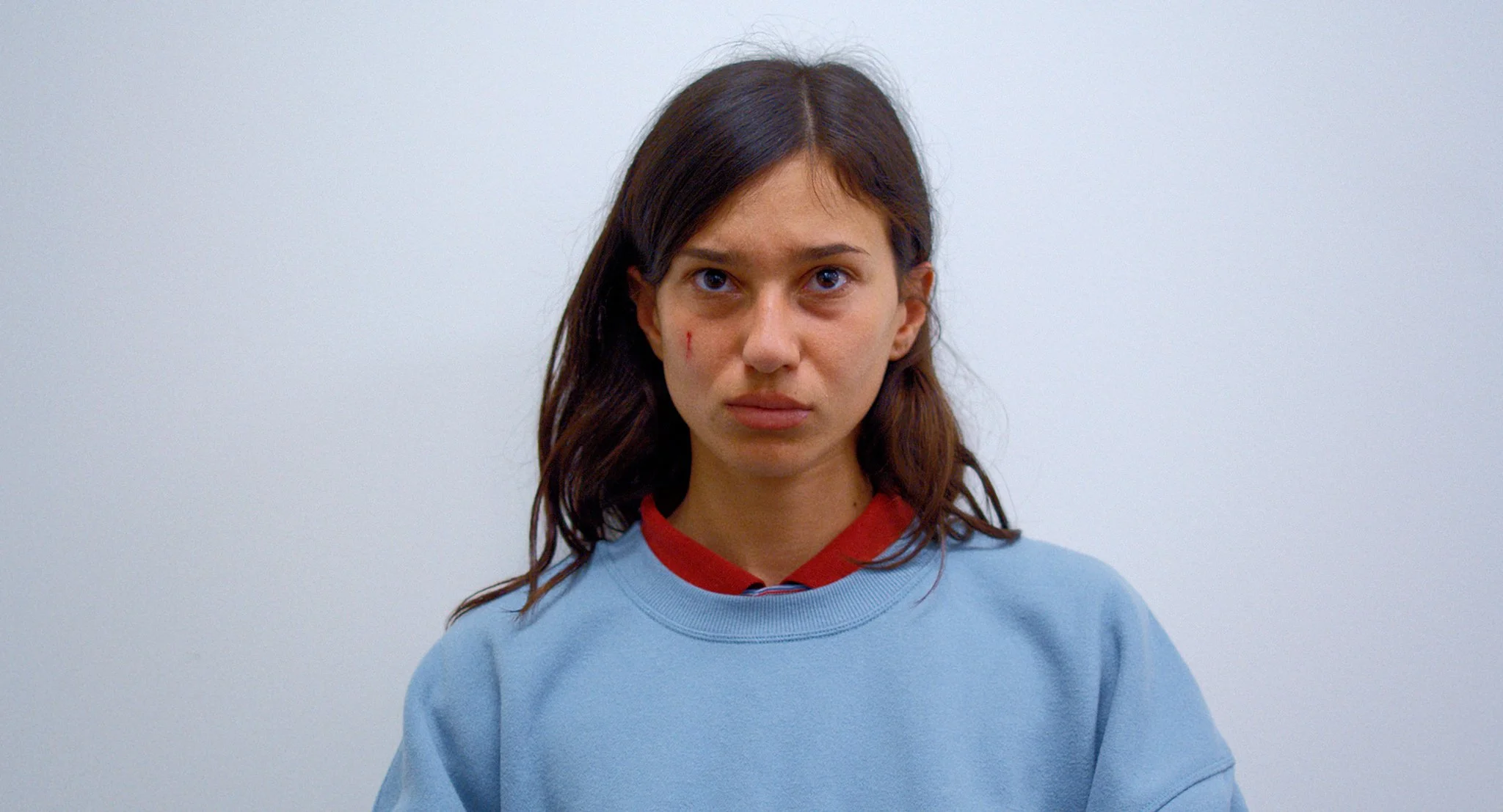
But, skateboarding and skateboarders play a far bigger part in Sydney-based writer, director and filmmaker Hyun Lee’s debut feature film than girls who are French. The film, entirely shot in Sydney, draws direct inspiration from Hyun’s time working in the fashion industry. She even employed models Mia Kidis and Daia, who she met on shoots, to play the film’s lead roles. Roles that happen to be supported by a bunch of skateboarders.
When I approached Hyun to do this interview, she told me she really wanted to discuss the skateboarding connections in the film. Now we are here talking about the skateboarding connections within the most exciting film to premiere at this year's Sydney Film Festival.
French Girls has its world premiere in Sydney on Wednesday, June 10th, as part of the 2026 Sydney Film Festival, followed by three additional screenings. Grab your tickets here.
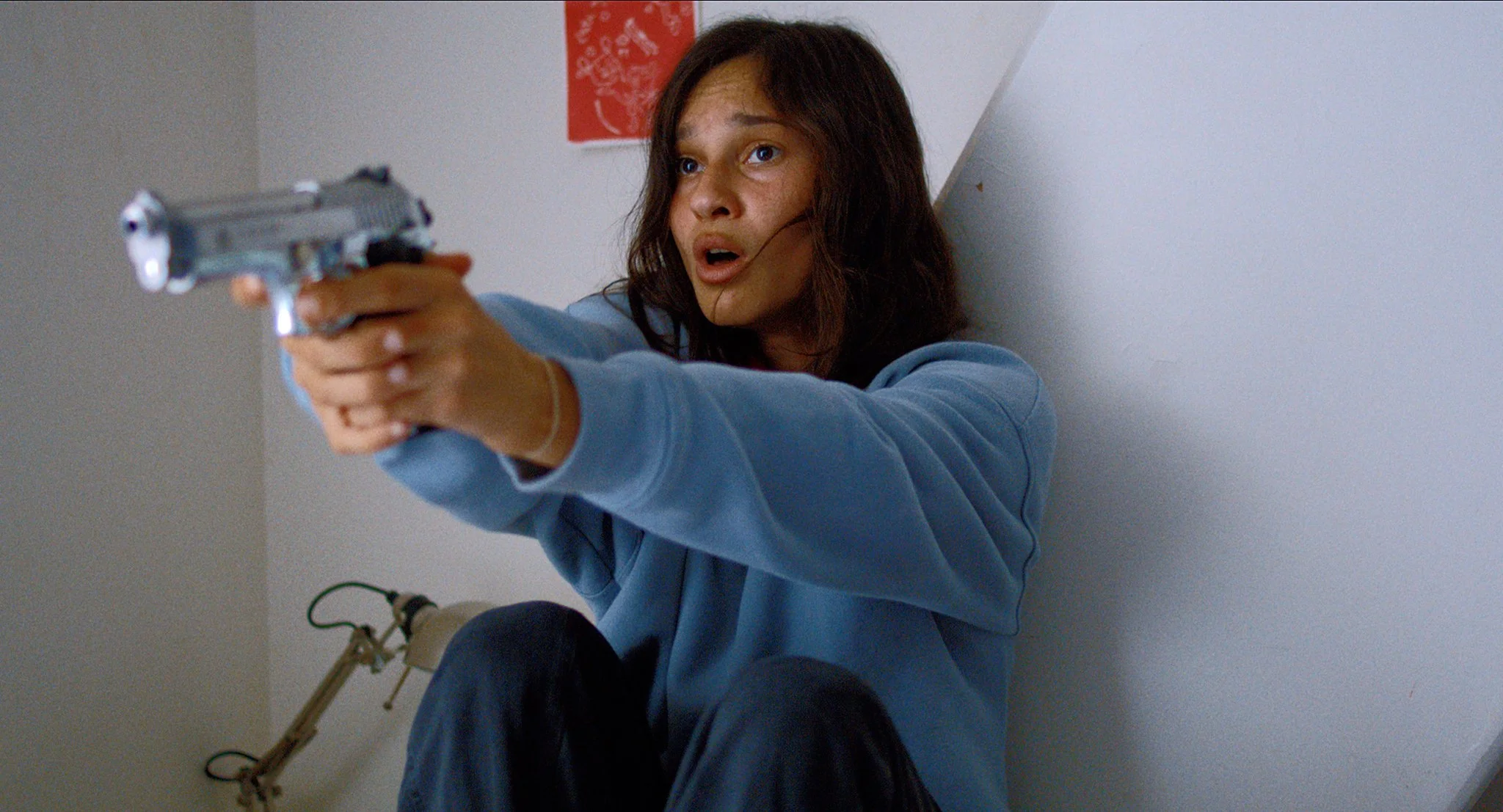
You really wanted to talk about how skateboarding influenced French Girls, so let’s start there.It was intentional not to include any proper skateboarding in the film, but inevitably, because a lot of my friends skate, there are a lot of skater cameos in it. We shot a scene in the movie where the boyfriend breaks his arm after falling off a skateboard, but we cut it out because it looked so bad, and in the end, it was unnecessary. Also, from hanging out with the Aerosol guys, I know they’re so particular about the way skating is filmed, so I didn’t want to even try to film actual skateboarding.
I’m really happy that skateboarders are in the film because skating is so special to me. I’m not a serious skater at all, but I spend a lot of time skateboarding, and it somehow wound up being a big part of my life. I cast a lot of random skaters in roles; some of them are skatepark acquaintances whom I barely know. I like that about skateboarding, there are certain people I see all the time, like more often than I see my mum, but I don’t even know their names. I wanted to put all these people, not just my closest friends, in the movie. There’s something nice about the familiar strangers in your life and how they’re a part of the community, even if you don’t know much about them.
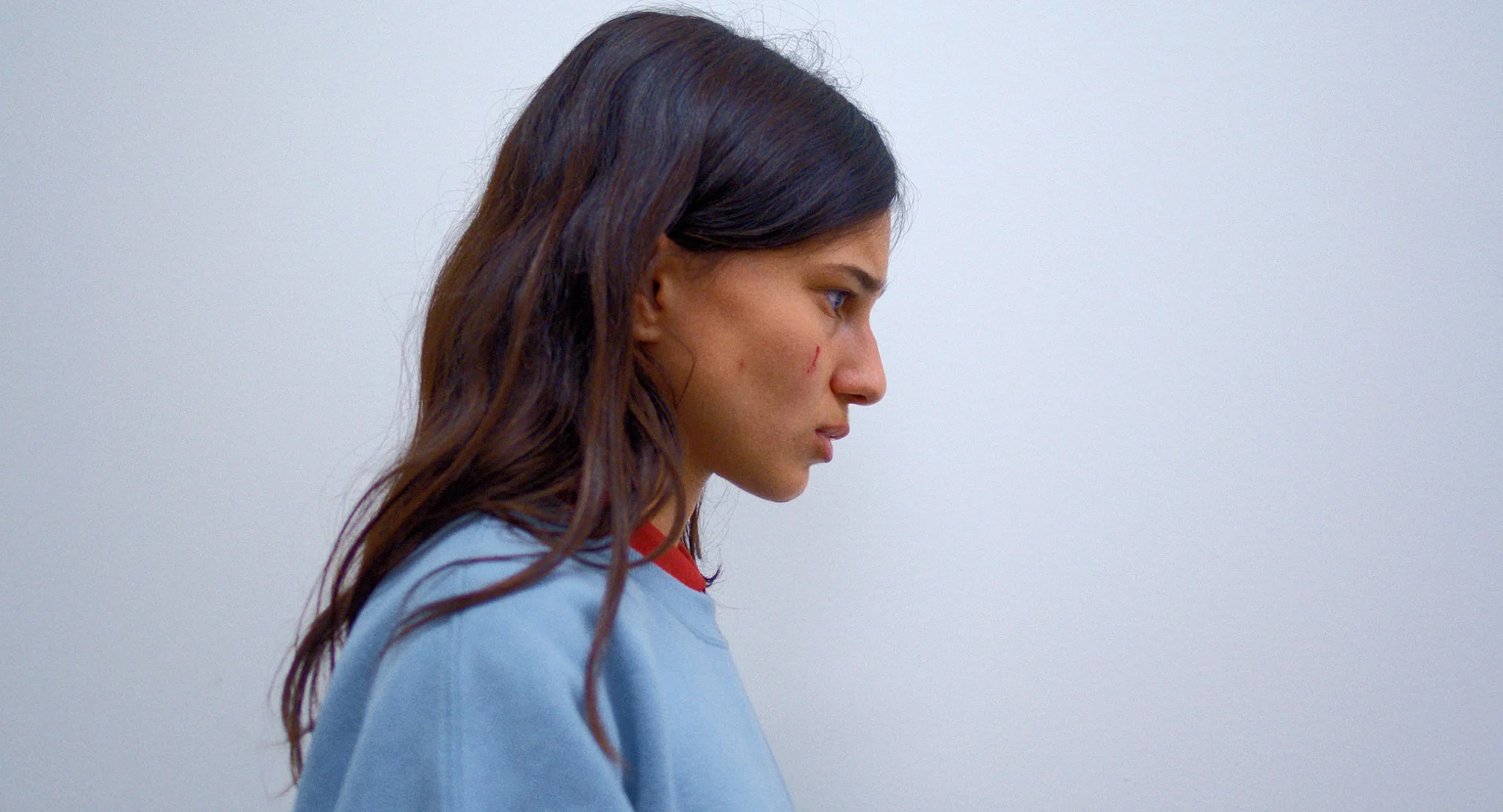
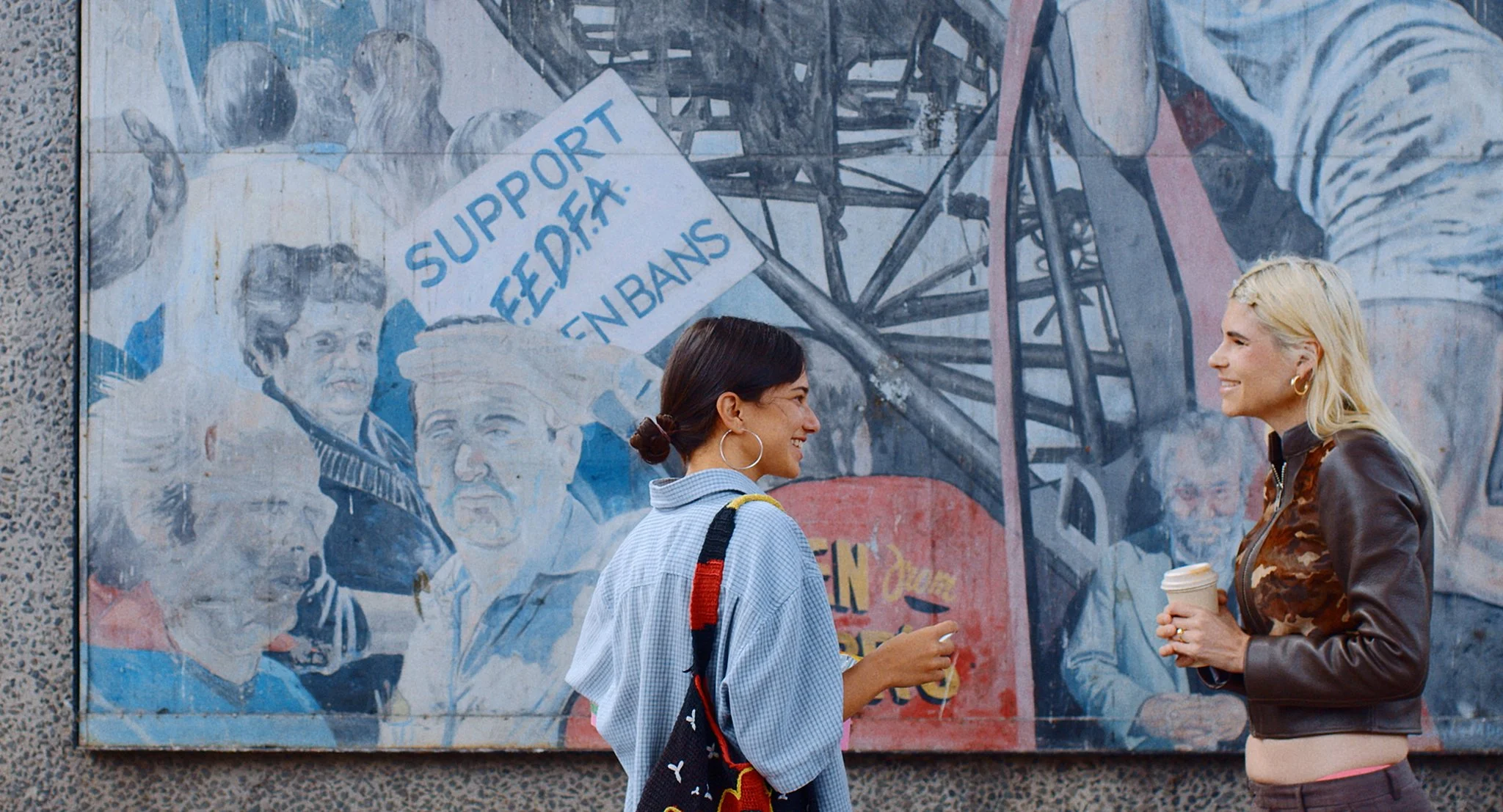
It’s so nice you were able to bring that connection into the film. Also, through skateboarding, you were able to get access to a bunch of things you might not have been able to, right?
Yeah, because the film was made on such a small budget, a lot of it involved leveraging the extended community of people I know and have access to. For example, we needed a construction site for a scene, and Corey [Young] put me in contact with this guy Doug, who has a demolition business. Doug was down and was like, ‘I can bring a truck, rubble, and you can shoot in this place. I can put rubble here, and you can use the jackhammer.’ We got all this stuff with no budget; it was amazing. We had Mia operating a jackhammer on screen, which is something I would’ve never expected. I had such low expectations for what we could pull off, and through all these people who knew someone who knew someone, we managed to make the whole thing happen.
The skateboarding world is cool because you have so many different people from different backgrounds. I know it’s funny to say the skate world is diverse, cause it’s often just a bunch of straight white men [laughs]. But it really is diverse in a way; people have very different backgrounds, jobs and so on. Also, my skate friends truly are diverse; sometimes I think we look like those racially diverse friend groups in stock photos.
Do you think skateboarding has helped your filmmaking in any way?
I’ve been out with the Aerosol guys while Cameron [Fraser] has been making the video, and it really is something watching them have borderline mental breakdowns to film a trick. It makes you think, ‘Oh, you really can push yourself to make the thing better.’ Sean [Ryan], for example, will land something deeply torturous and will do it again just to film it even more perfectly. It’s good to be reminded that you can and should push yourself like that cause sometimes I get quite complacent and am like it’s good enough and move on.
Also, Corey is a big film nerd, and we’ve talked about how skateboarding is so special because it has its own film language. That’s something no other – I don’t want to call it a sport – but sport has. The cameras, lighting, lenses, music, editing, all of it. It’s so funny how even the outfits matter. I’ve heard of people wanting to refilm a trick because they were wearing a bad outfit. It’s interesting because skateboarding filming really has its own language and rules that are specific to skateboarding and different to movies. But also, it’s often super similar to a film set. Lots and lots of sitting around, watching someone doing the same thing over and over again.
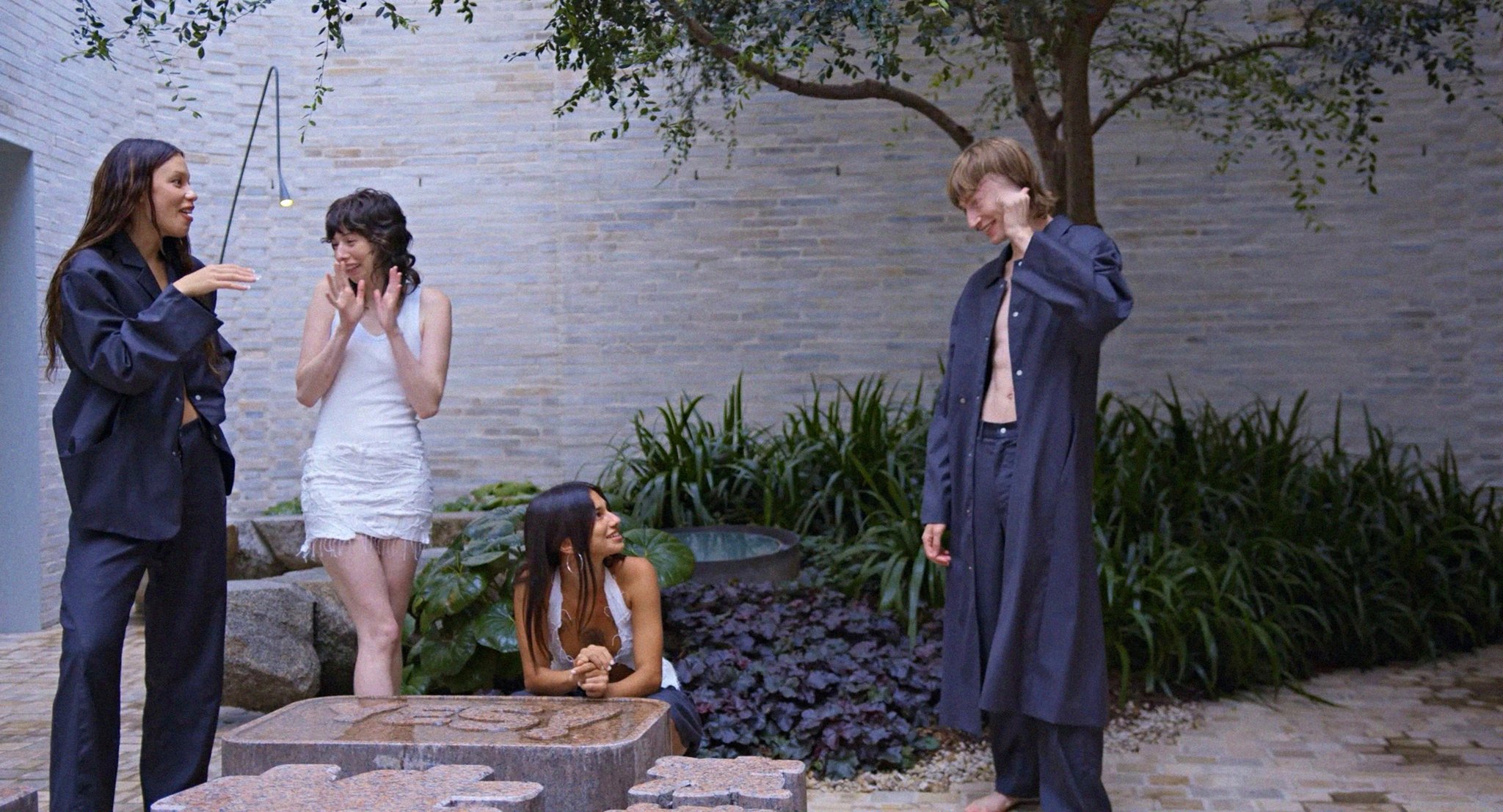
Oh totally. Even scouting locations is the same as looking for spots.
Yep. Film people and skaters both go location scouting and have a zillion photos of random benches in their camera roll.
Also, having Mikey [Mieruszynski] and Dylan [Scott] in the film, making clothes, is something I’m so glad I was able to do because they are so talented.
I wanted to ask about that. You included so many aspects from certain characters’ actual lives, like Mikey and Dylan making clothes and Mia’s handycam footage. Was that something you wanted to do when making the film?
I didn’t have the handycam footage in the original script; I added that in after we cast her, and I saw that’s what she was doing at the time. But I have to clarify, she didn’t film the handycam footage in the film. That was her character filming it. There’s a lot of blurring of reality and fiction. That was fully scripted, but we did borrow a lot of things from her real life.
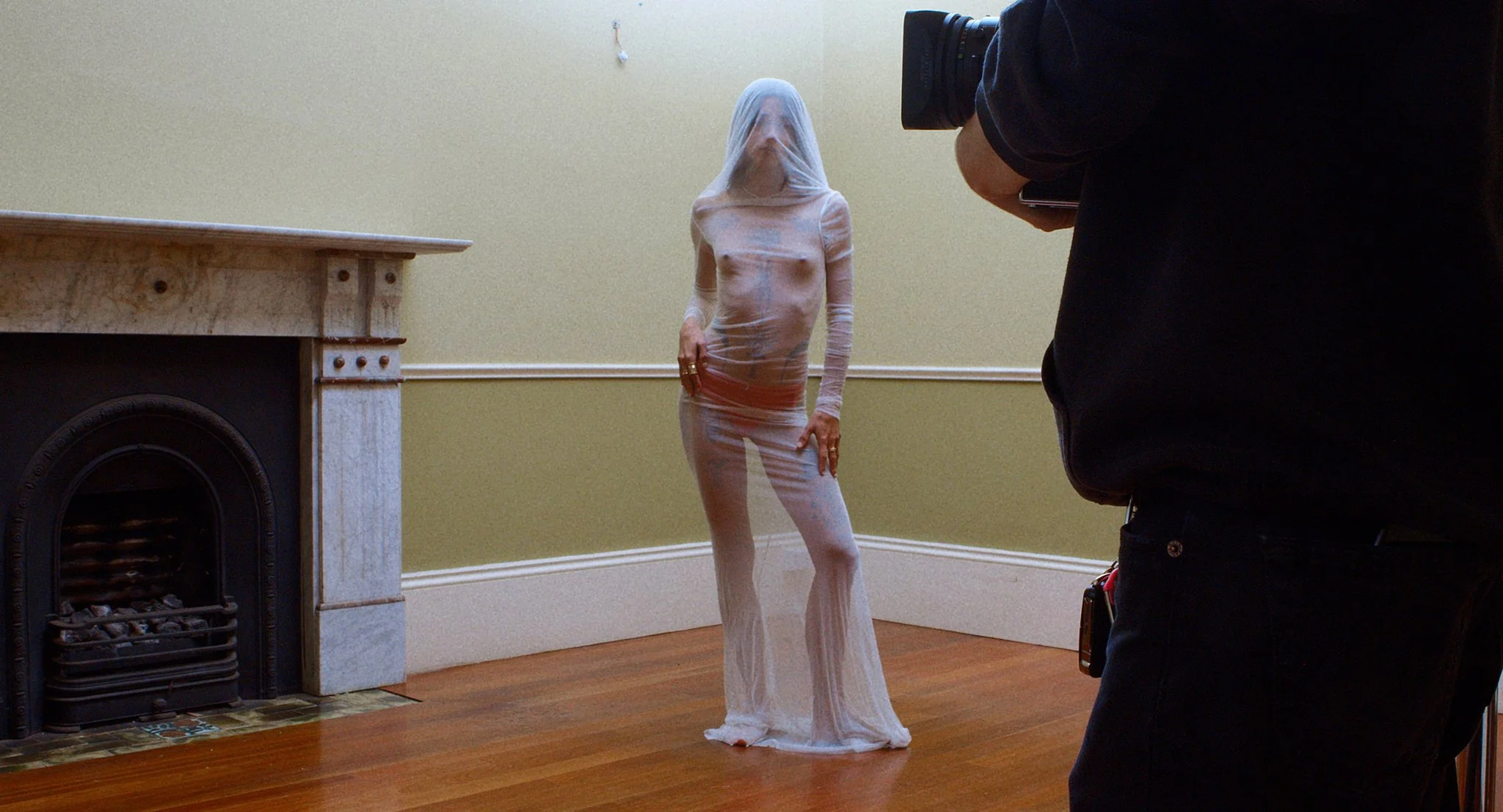
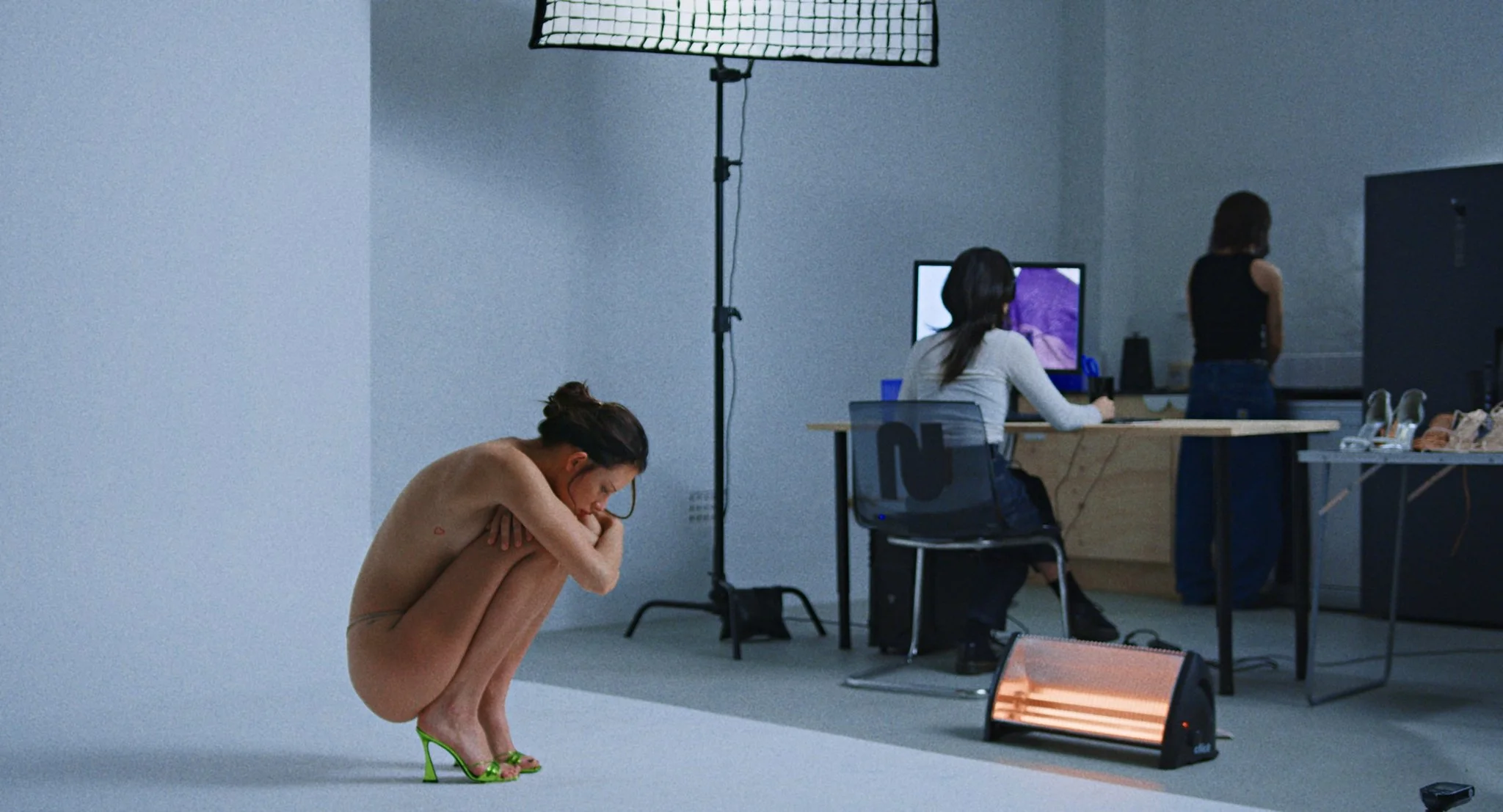
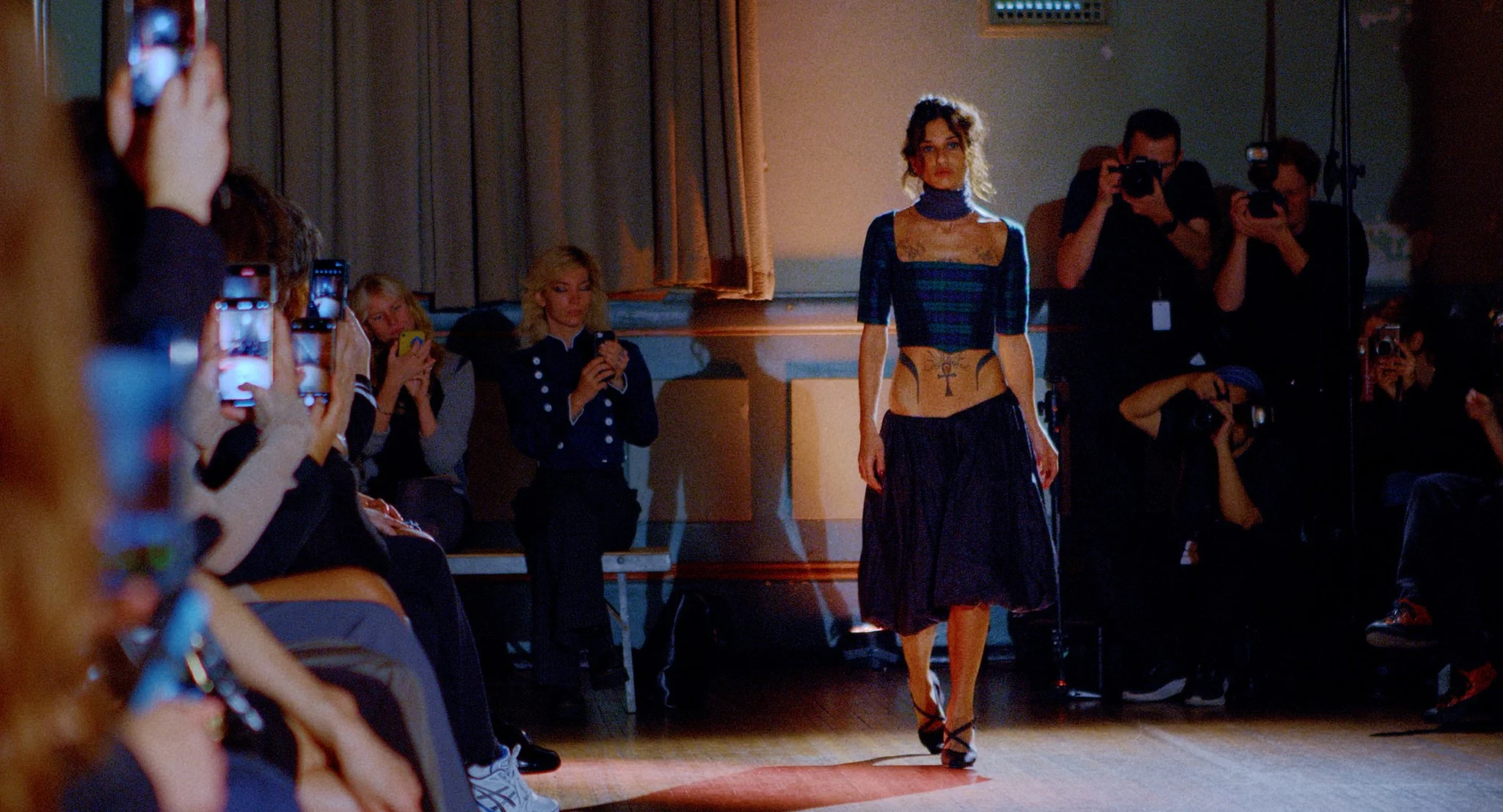
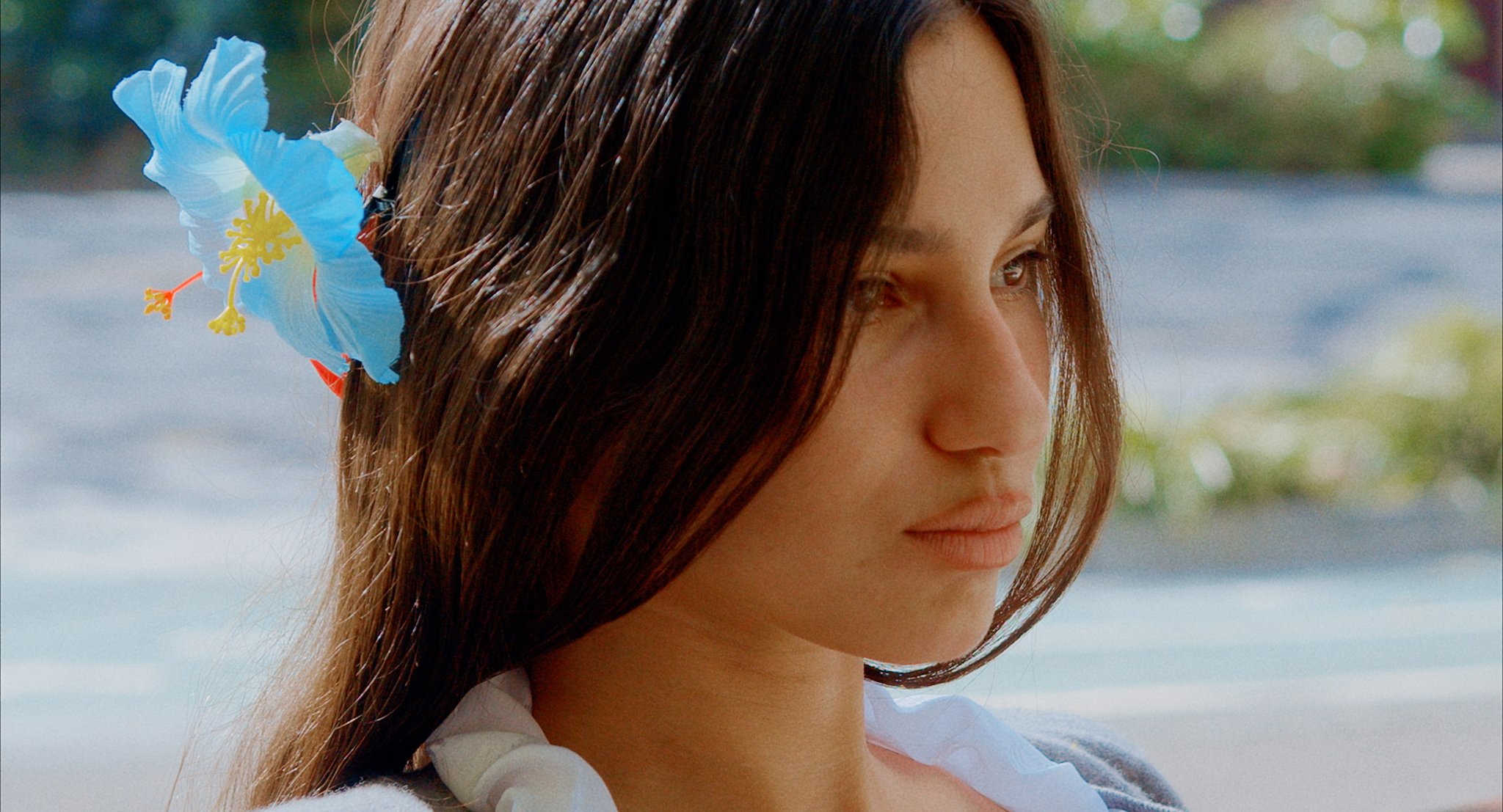
Was that borrowing something you found helpful to make the film feel more natural? Like, I feel like I’ve even had that conversation with Joel [Lumbroso] word for word about how he walked in Paris Fashion Week.
I often workshopped the script with the actors. A scene, for example, would start with a basic outline that would say, ‘A male model who is more experienced and has worked overseas fashion weeks talks about what it was like.’ When I cast Joel for the film, we got a coffee, and he told me about all his experiences. I went away and was like, okay, I want to have him talk about this in that scene. We workshopped the script together, then filmed it. There were some scenes like that where I had a vague outline, and others were a lot more specific and had to start and end in certain ways.
It's crazy how many parallels there are in the film to real life. In another interview, you mentioned that you met Mia on one of her first shoots, and she had only been signed to an agency in the weeks prior.
Even the Russian character, Anya, who’s played by Daia. That was crazy because, in my original script, which I wrote years ago, I was really specific that it had to be a Russian character who had been modelling since she was young and at a point in her career where she was quite over it. I had no idea where I was going to find someone who could play that role, and then I came across Daia while I was shooting with Mia for the Gentle Spring fitting. We met up and had a long chat about her experiences as a model, and her life story fits the character’s identically.
Wow. It’s wild how well it worked out.
Seriously. The fashion shoot and the magazine shoot with Mia were filmed before we even knew we were going to make a feature; at that point, I was just operating the camera alone. It’s been really lucky how well everything has fallen into place. There’s something really cool about the fact that the images from the early days, when we didn’t even know we were making the feature, have become the key images of the film.
It's like a nice postcard of the time.
I could write a book about the making of this movie because there were so many crazy, serendipitous things that happened.
To wrap this up, I have a question from our incredible friend, Karl Dorman. He asks: What’s it like being surrounded by a bunch of tall, skinny losers in their late twenties and early thirties with poor mental health who ride skateboards?
[Laughs] They aren’t losers at all! I love my skate friends so much. You hear about awful, toxic men in skateboarding all the time, and it’s exhausting, but my skate friends are absolute sweeties who give me hope for humanity.