A Filmmaker You Should Know: Yael Grunseit
words and interview by Emily may Jampel.
Last weekend, I stopped by the Scratch Off Productions launch party, which took place in the backroom of Ukrainian East Village Restaurant, hosted in collaboration with grassroots indie distributor Video Store Age.
They raffled off prizes like 16mm film stock donated by Steven Soderbergh and a Dries Van Noten jacket (I sadly did not win either). I caught up with some familiar faces in the New York indie film scene, spent all of my cash on gin and sodas made by an old Ukrainian woman behind the bar, lost my voice, and won two dollars from a scratch off lottery ticket that I have still yet to claim. It was very fun.
Scratch Off Productions is the production company and filmmaking collective behind Yael Grunseit’s new short film, Daddy’s Little Meatball, which is having its New York premiere at the 2026 Tribeca Film Festival on June 6th. The film also happens to be the sole Australian film playing at Tribeca this year, and the first-ever Ferstein Graduate School of Cinema student film to ever play at the festival.
Yael is an Australian filmmaker based in New York, whom I first met on set last December when I acted in another Scratch Off Productions film called Projectile Breakfast that Yael both produced and was a first assistant director on. Since then, I’ve seen her name in the credits of countless films as everything from a writer, director, production designer, costume designer, producer and more. I was excited to finally get the chance to chat with Yael about her filmmaking journey from Sydney to New York, finding her creative community at Ferstein, her approach to scrappy collaborative filmmaking (which is, in my opinion, the best kind of filmmaking) and the creative process behind her latest film.
Daddy’s Little Meatball premieres in New York on Saturday, June 6th, at the 2026 Tribeca Film Festival, followed by three additional screenings. Grab your tickets here.
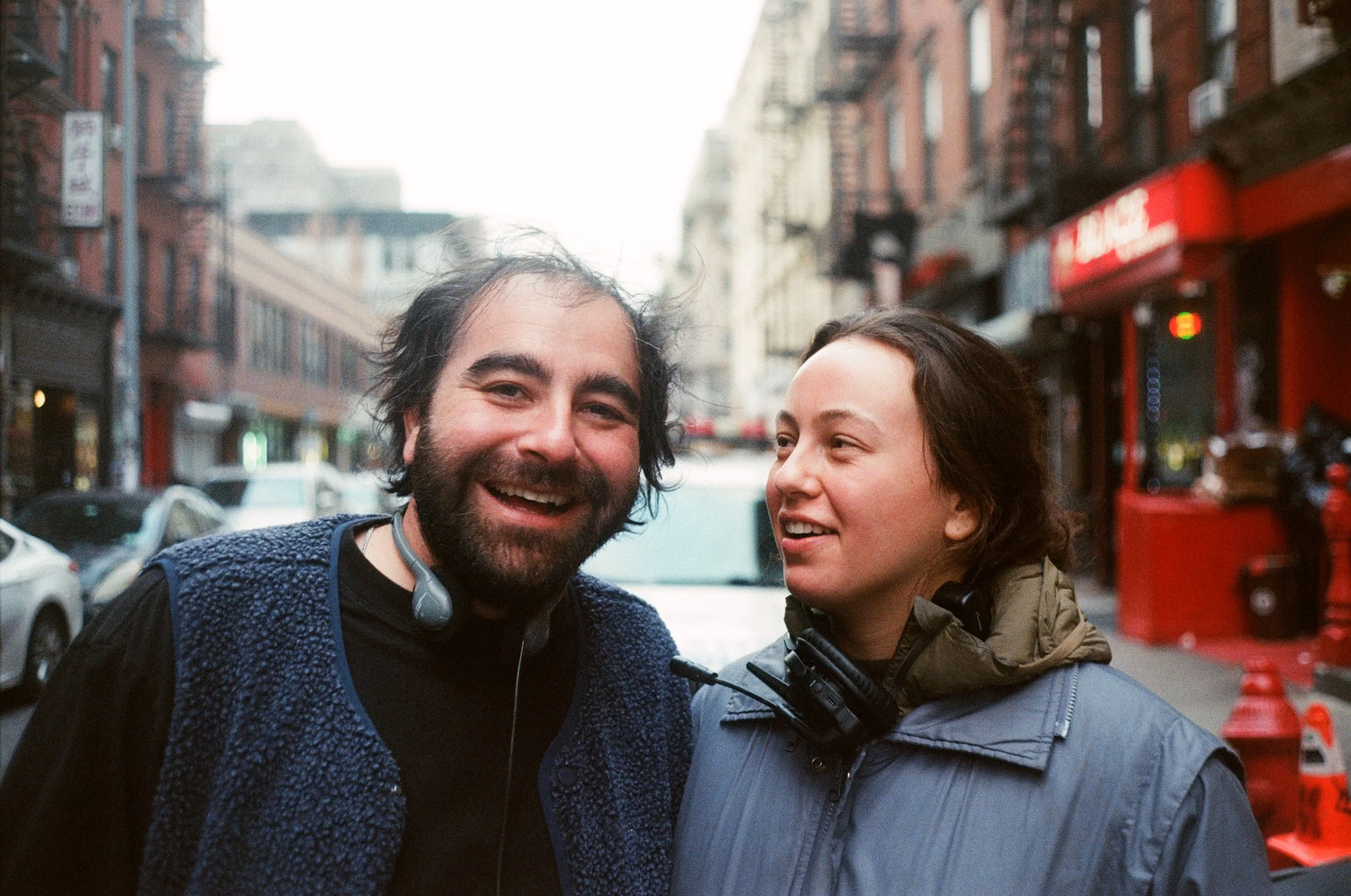
Portrait of Yael and producer Jason was taken by Brian Karlsson.
I'm curious about how you started in filmmaking, and also your journey to New York, and how that connected with your filmmaking journey as well.
I feel like I've always written a lot. I loved writing my diary when I was younger. I was one of those girls who would always write in their diary before bed and stuff.
Throughout your life?
Very much throughout my life. I have some from when I was eight. That's the youngest. But I have all my teenage diaries. I feel like I was always writing about stuff that was actually happening in my life, but also then, just random short story stuff, poems, whatever. So looking back, how did I get into film? I guess the narrative I have for myself is I've always really been interested in storytelling and making, you know, stories.
I came to filmmaking pretty late, though. I was interested in creative writing in high school, and then for my undergraduate degree, I studied in Sydney, and I did an arts degree, and I did a lot of creative writing in that. Which was awesome. And then I was like, oh, I really love writing with people, or I love working with people. I was like, film seems collaborative, because I'd heard of a writer's room. So I thought, this seems like a way that you can write with people. So I looked into screenplays a bit more, and then I started reading some, and from there, I was really interested in screenwriting.
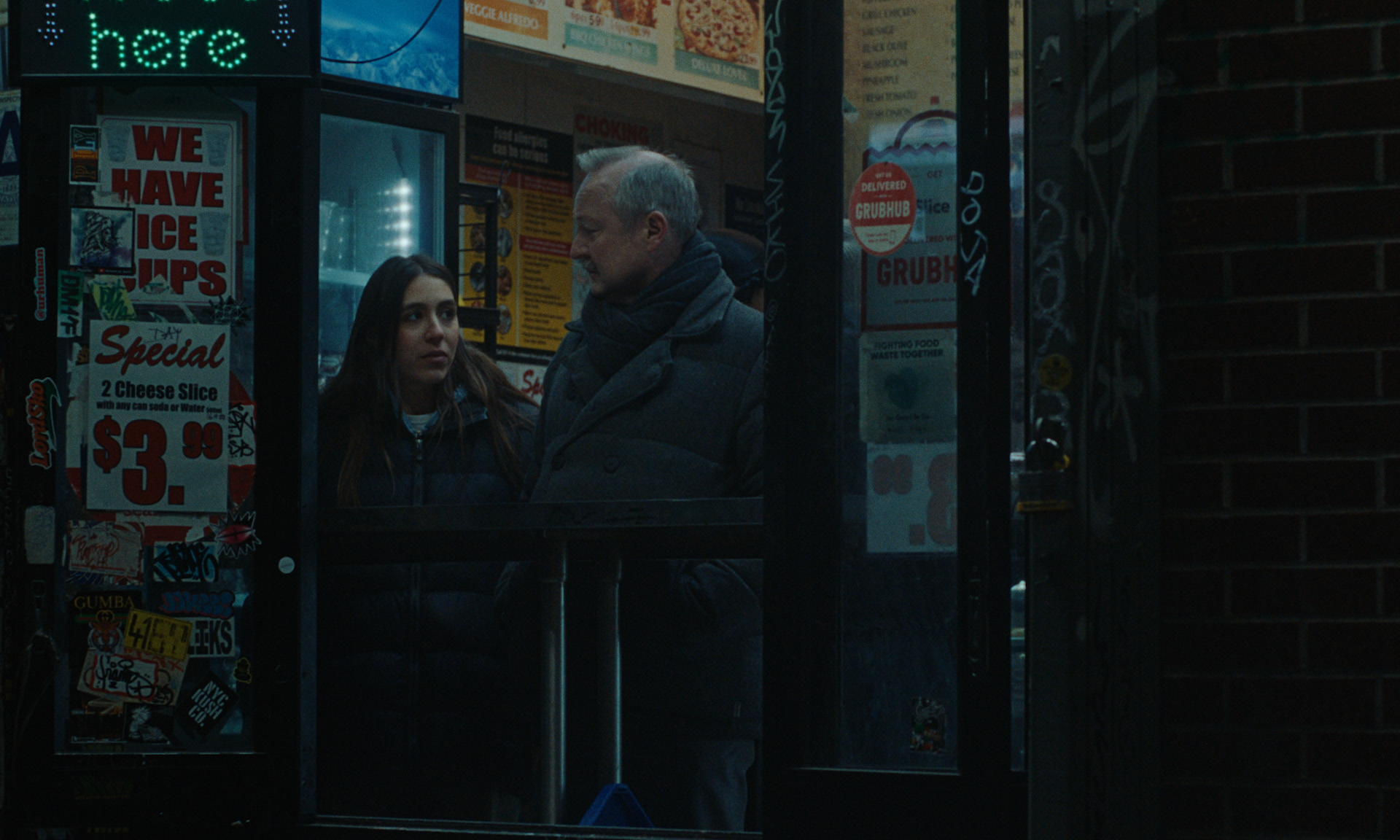
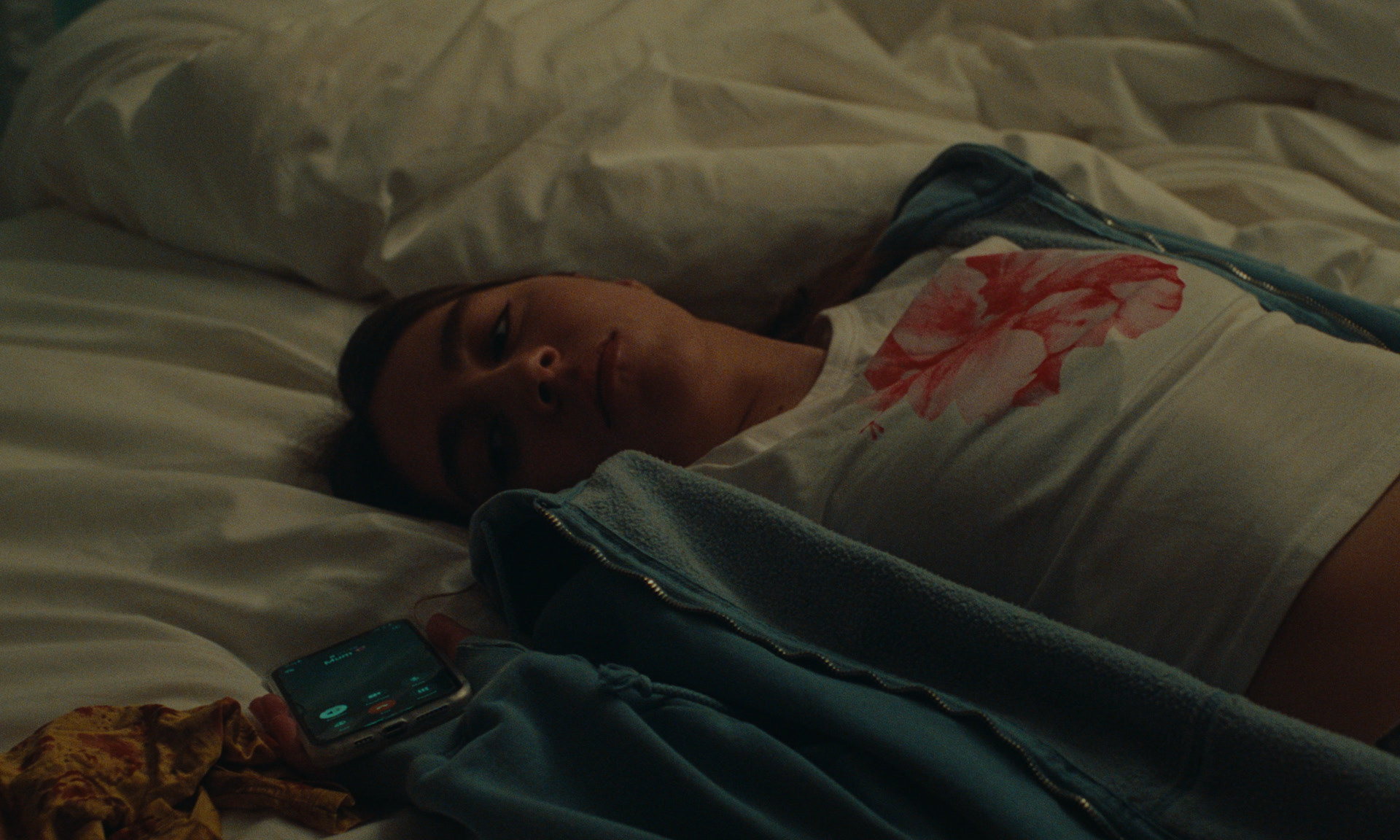
Stills from Daddy’s Little Meatball courtesy of Yael Grunseit.
Do you remember the first screenplay you ever read?
I feel like there are three that I remember reading extremely close together, A Serious Man by The Coen Brothers. Love that screenplay. Adaptation as well. I remember watching Adaptation when I was in my final year of high school being like, this is the best movie ever. So I remember reading that one.
Sophisticated high school tastes.
I guess. I thought the crocodile bit was cool or something. Oh my god, Juno. I love Juno.
Juno was one of my favorite screenplays.
I feel like they all taught me you don't have to write super conventionally in the screenplay format. It just seemed really fun and I was like, this seems like a fun job, you know? Through that, I then was writing and I was like, I want to direct these things I'm writing and it all snowballed from there.
At what point did you make the move to New York for that?
I think in 2020 I was like, okay, I'm going to do film. And then I remember I was doing the applications in 2021 for grad school in America. So I finished my undergraduate degree in June of 2022 and I started the grad program in August. I just went straight into it.
I feel like you've found a crew of filmmakers and collaborators who you keep working with. How did that group form? I know it's become a collective and a production company more recently.
Yeah, both. So I started film school. It formed somewhat quickly, but I guess also Scratch Off Productions becoming officially a production company only happened a few months ago.
When I started school, Manuela Romero, who cast all the movies I made, and also does a lot of other things. She directs, and also she's a script supervisor. Amazing stuff, amazing person. We met straight away, and I feel like it was just really lucky and wild that I found such a great collaborator and friend instantly. What's really cool about film school is, you get to see the people you care about develop a lot as well.
I’m also curious, in Scratch Off, a lot of you direct, but also change the roles you're working on. Do you all decide who is going to do what on each film? Or does it kind of happen organically per project?
No, it really happens organically. We all have different things we do. I feel like this has kind of come up a bit with Scratch Off and you probably saw it on Projectile Breakfast as well, but we all really care about each other's movies. Whoever's directing it, we really want to support that person. It's the kind of like, ‘what do I have to do to make this work?’ attitude.So it's that kind of scrappy attitude and supporting whoever's directing's vision.
Oh, that's so cool. I love it. It's kind of just all hands on deck. What skills do I have that can help the project move forward?
Exactly.
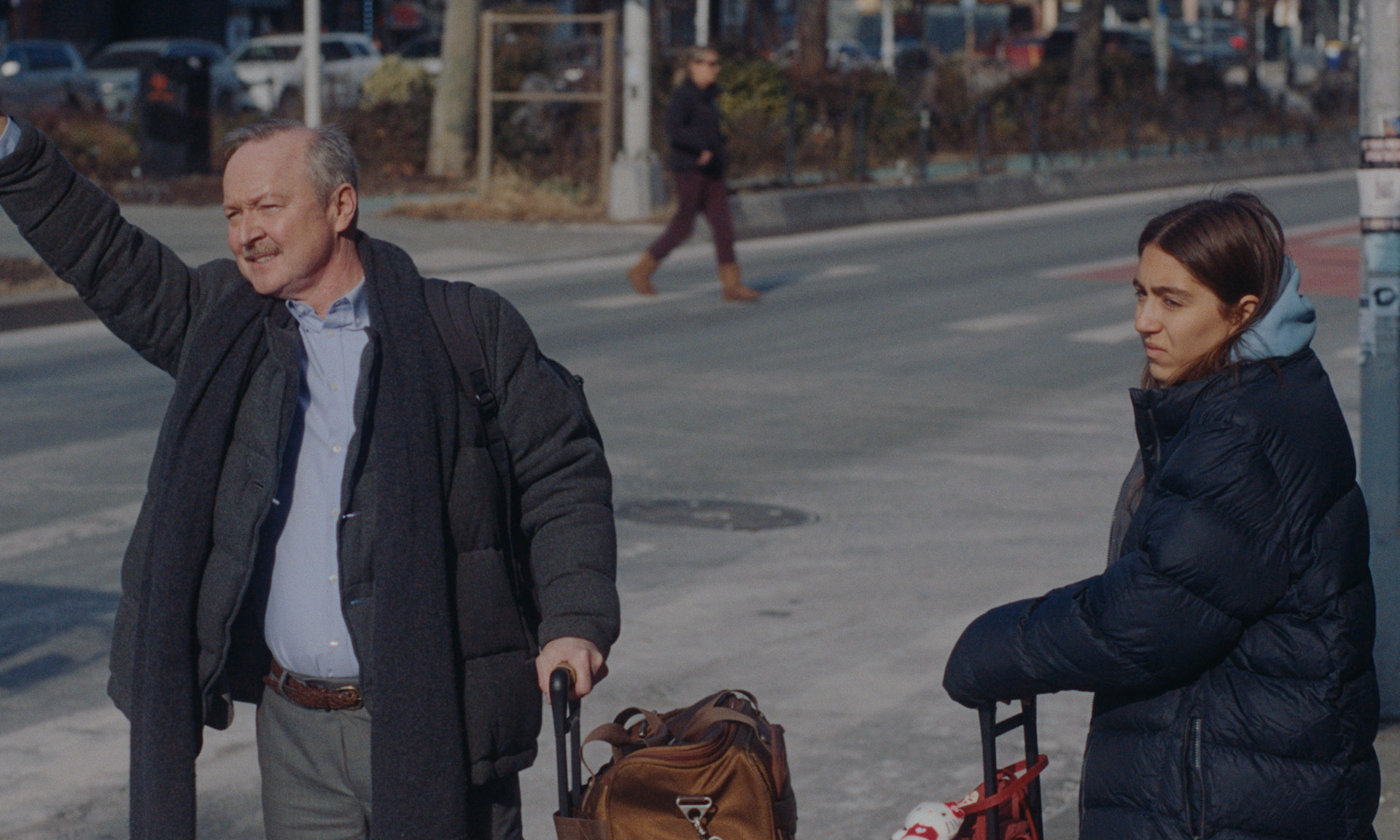
Okay, Daddy's Little Meatball. This is an amazing film. Where did the idea for the film begin?
The initial idea was that I really wanted to try shoot something that interacted with New York as a city. And then it became the question of like, what is that perspective? It just didn't feel right for me to cast Americans and have this teen American movie in New York. So, pretty quickly, I was like, okay, I feel like Australians in New York, or that tourist perspective, was something I had a perspective on. So that is really the gem of the idea. I wanted to capture that touristy, unfamiliar energy within the city. I feel like a lot of my work has a young female protagonist, so it felt pretty natural to go down that route. It’s what's most interesting to me at the moment as well.
In your film, the dad is a period underwear salesman, and he's attending a global menstrual product expo in the city. This is the best character detail ever. Where did this come from?
I'm so glad that you appreciate that. I love period underwear. I love them. Changed my life. I was trying to create this character in Ed that would embarrass Sasha, but ultimately there's nothing really to be embarrassed about. But I felt like, you know, having a dad that works in that industry would be an embarrassing thing for a teenager. So that's kind of where it came in. I just remember, also at that age, really not having a hold on my own period. It was such a difficulty in my life, you know? So I think it came from that.
I really love this genre of father-daughter movie, like Toni Erdmann. Sentimental Value. Those kinds of movies. I was curious if you were thinking about that genre of film.
Totally. It's interesting because the ones I'm thinking of or that I feel like I did draw from, it wasn't always father-daughter, even though that to me is such a specific relationship. I watched Daddy Longlegs a lot. I mean, Lady Bird, the mom-daughter relationship.
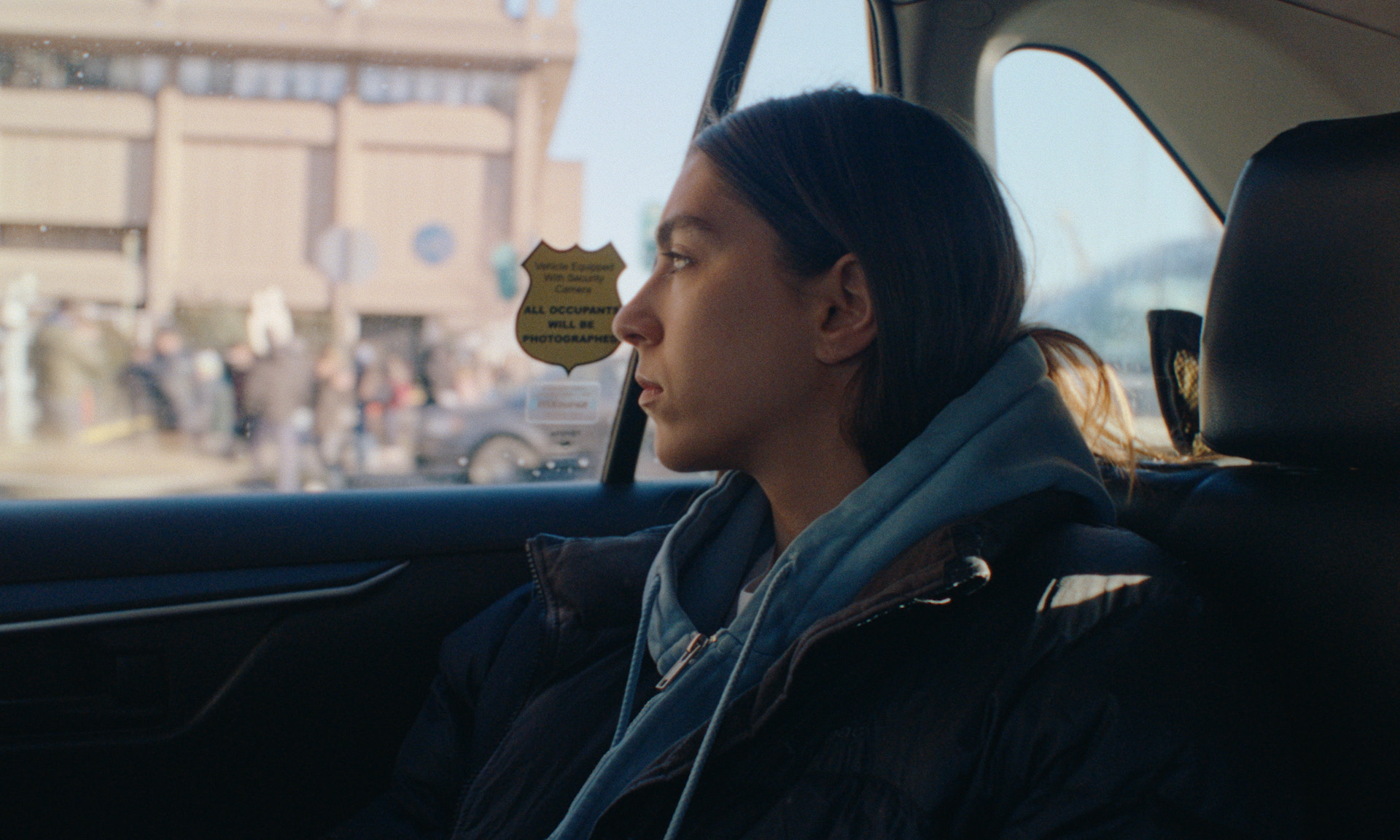
It's very Lady Bird.
Yeah, I definitely was thinking about that and I think you can feel both of their hearts in that movie, so I feel like it was inspirational in that way.
The film is so beautifully shot. I saw it won an award at Flickerfest for cinematography, so congrats. Tell me about the visual language and process of making it.
Thanks. Dylan [Rizzo] did an amazing job as the DP. We had a lot of really great meetings leading up to it, where we were able to really talk through the shots, and I'm super grateful that he's my friend, and also he was so generous with his time. We were able to sit and talk for hours about how we wanted to shoot a certain thing. Early on, we decided it was gonna all be handheld.
We got super lucky with the Allen Hotel, which is where we shot. I feel like that hotel had so much character built in already in the production design. That mosaic wall of the palm tree and everything, and the bar was so perfect, because I really wanted to have it be, like, New York is freezing, she wants to be back home in Sydney in the summer, and then that scene behind her is literally of summer.
The line, what is it? The line where she's like, ‘it's summer…’
Oh yeah, ‘it's summer in Sydney. I could be getting such a good tan.’
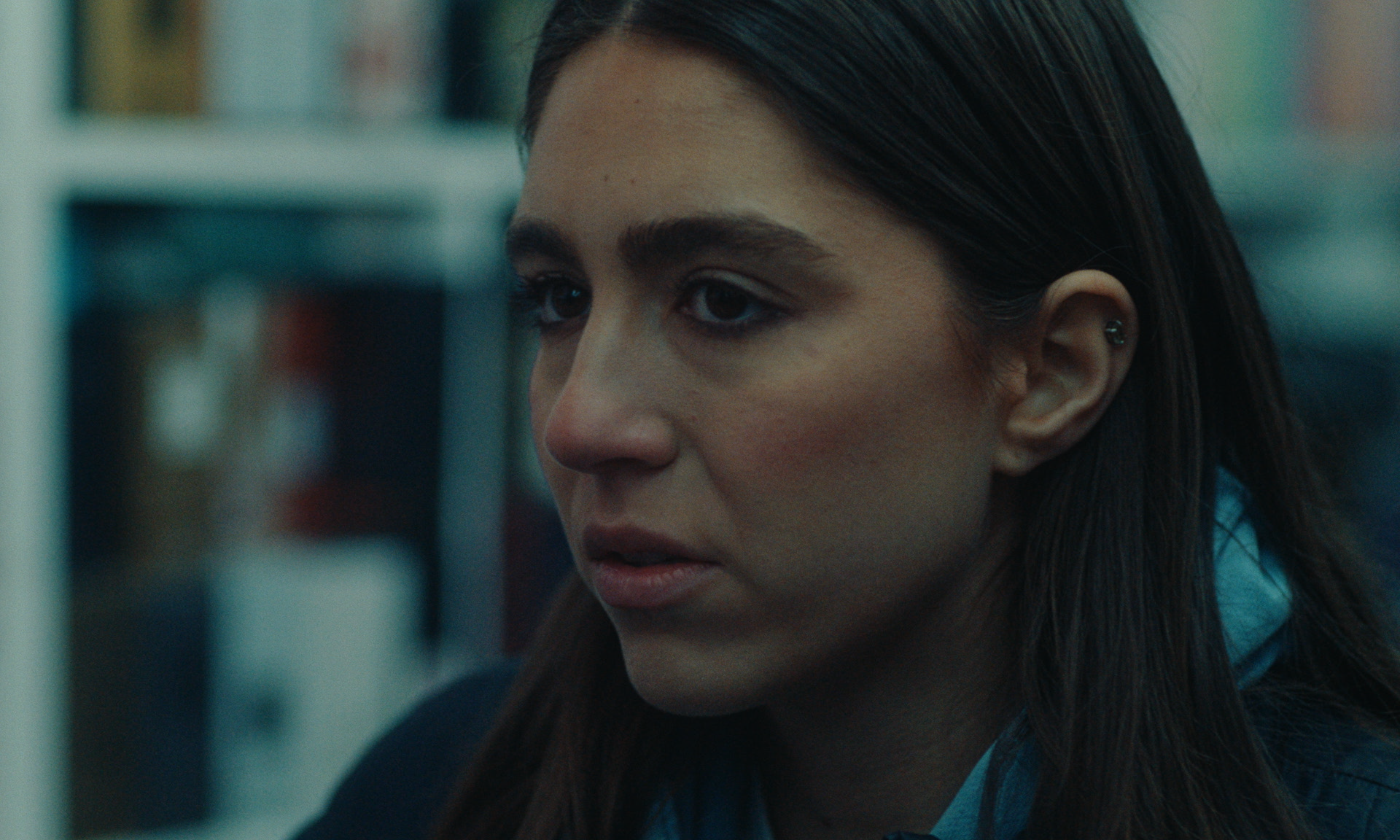
That was so good and so well delivered.
Honestly, yeah, my sister's said that before. It was really sick as well 'cause our world premiere was in Sydney, which is where I grew up and everything. And that line I feel like hit especially hard in Sydney.
One of my favorite things about getting to travel with a film on the festival circuit is how a film plays in different cities and different countries with audiences.
I feel like that line got such a big laugh in Sydney, which I loved. And also, it's so funny because during the editing process, I feel like that line was very much debated, whether to cut it or not. I had a lot of people being like, it doesn't really work. I think you should cut it.
I loved it.
Okay, Emily gets it too.
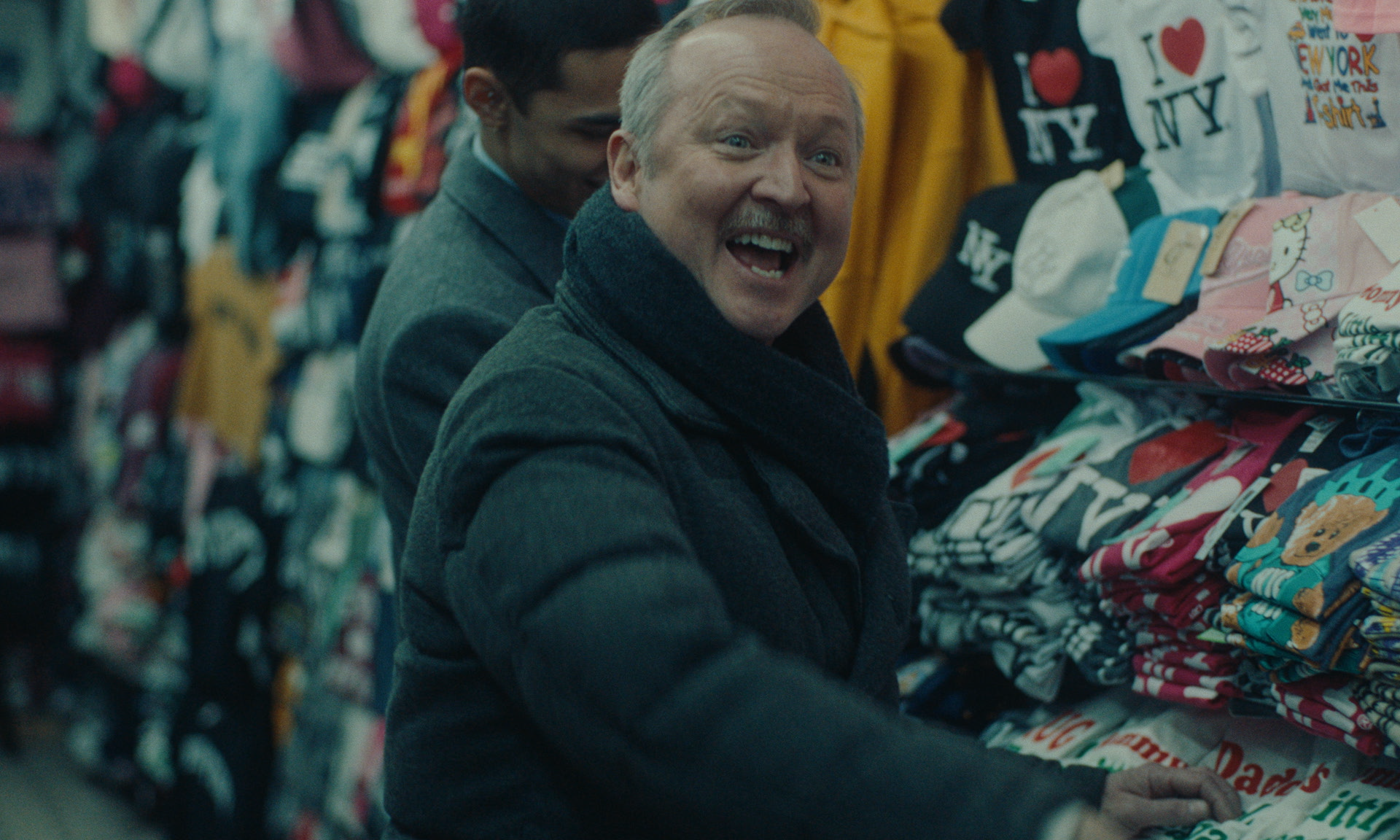
I read that this is the sole Australian film to play at Tribeca in the whole festival this year, and also the first-ever film from Feirsten to get into Tribeca.
Yeah, I think that is correct. I think we're the first student film from Feirstein to go. It's really cool, because a lot of the crew are Ferstein students, most of the crew, and I think this film is in some ways a representation of the community you can build at film school. Even just friends came and gripped for a day.
Is there anything you’re excited about that you’re consuming these days?
Two nights ago, I finally watched Nirvanna the Band the Show the Movie. That was so much fun. It reinvigorated my spirit to just have fun with movies, which I think is really a nice thing to feel.
What are you working on next?
I'm writing a bunch of stuff. I have a feature that I'm writing by myself, and I have a feature I'm co-writing with Kate [diRienzi], which is going really well and fun, and it's so fun to be co-writing. And also working on shorts as well. I'm hoping to shoot a short in Australia, sometime soon, so trying to get that one off the ground. And yeah, we'll see what sticks.
Daddy’s Little Meatball premieres in New York on Saturday, June 6th, at the 2026 Tribeca Film Festival, followed by three additional screenings. Grab your tickets here.
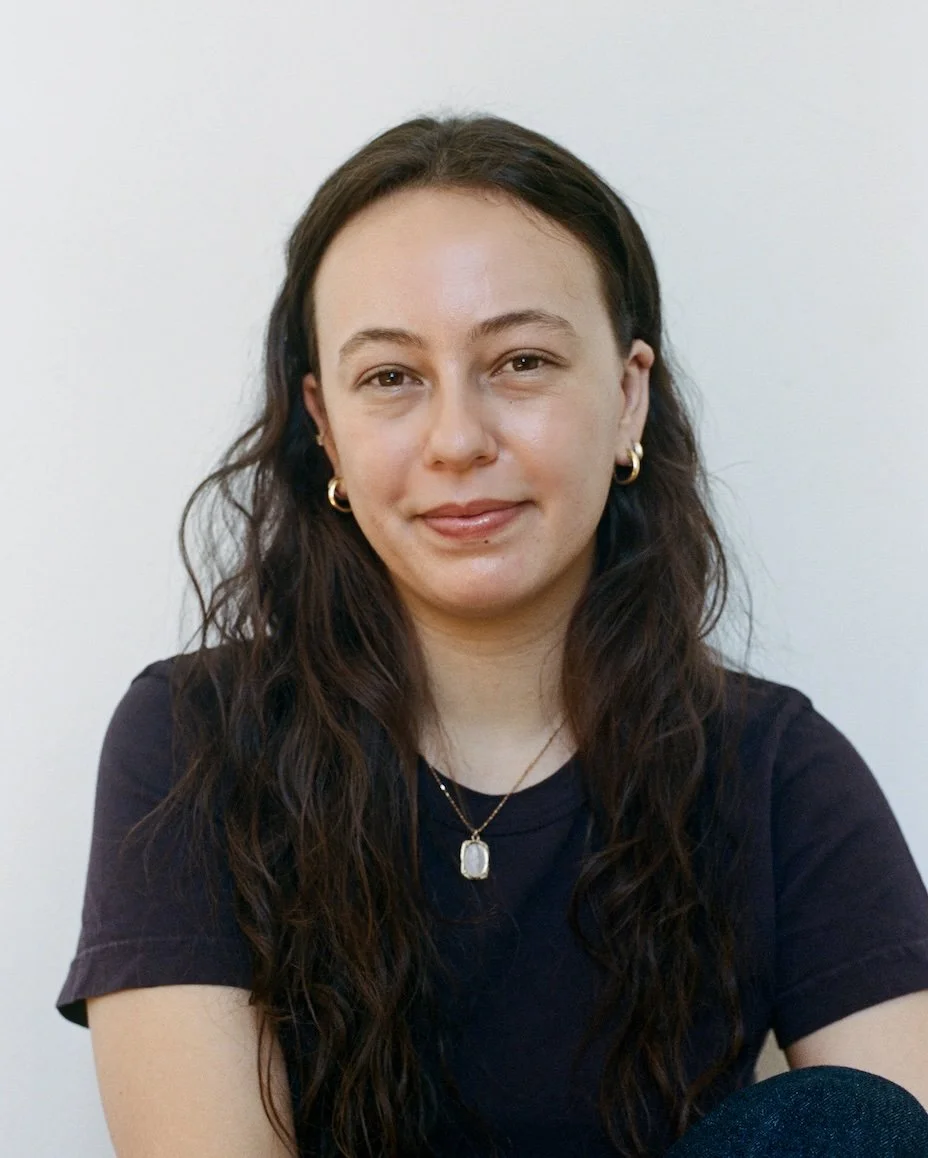
Portrait by Jess Tran.